
News
10 Things To Know About PVC Single-Ply Roofing Material
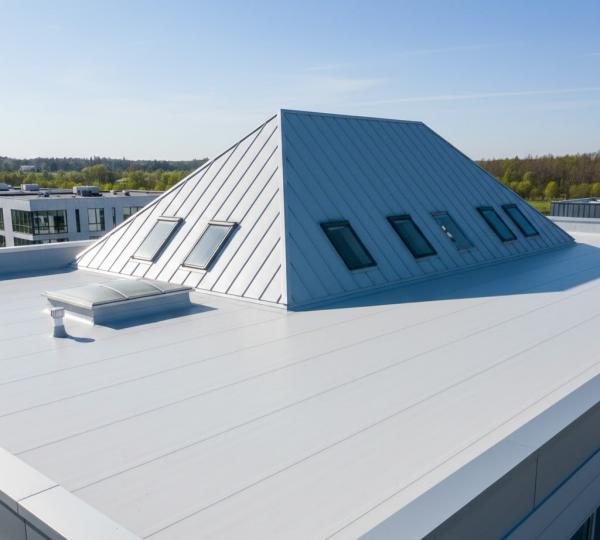
In business building and upgrades, choices for roofs play a big role in steady operations over time, energy use, and overall worth of the property. Based on field insights and our background as a worldwide supplier of construction goods, this piece covers 10 essential facts about PVC single-ply roofing material. It follows a standard outline that the industry knows well. The aim is to give a straightforward, search-engine-friendly guide for those making choices on pvc commercial roofing setups for major jobs.
What Is PVC Single-Ply Roofing?
PVC single-ply roofing serves as a system for roofs with low slopes, like flat or almost flat ones. It comes from polyvinyl chloride. Workers put it down as one layer of covering. They secure it by mechanical means, full sticking, or heating the edges to join them. Due to its strong build and even quality, PVC single ply roofing ranks as one of the top picks for storage buildings, plants, shipping spots, shops, and public spots.
Composition of PVC Roofing Membranes
Makers create PVC roofing coverings using two main parts:
- Chlorine, which comes from everyday salt
- Ethylene, drawn from natural gas or oil
They combine these parts through a process to make polyvinyl chloride. Then, they add supports like polyester or fiberglass nets to boost pull strength. This planned setup shows why PVC single ply setups mix bendiness with lasting mechanical steadiness.
Durability Under Commercial Conditions
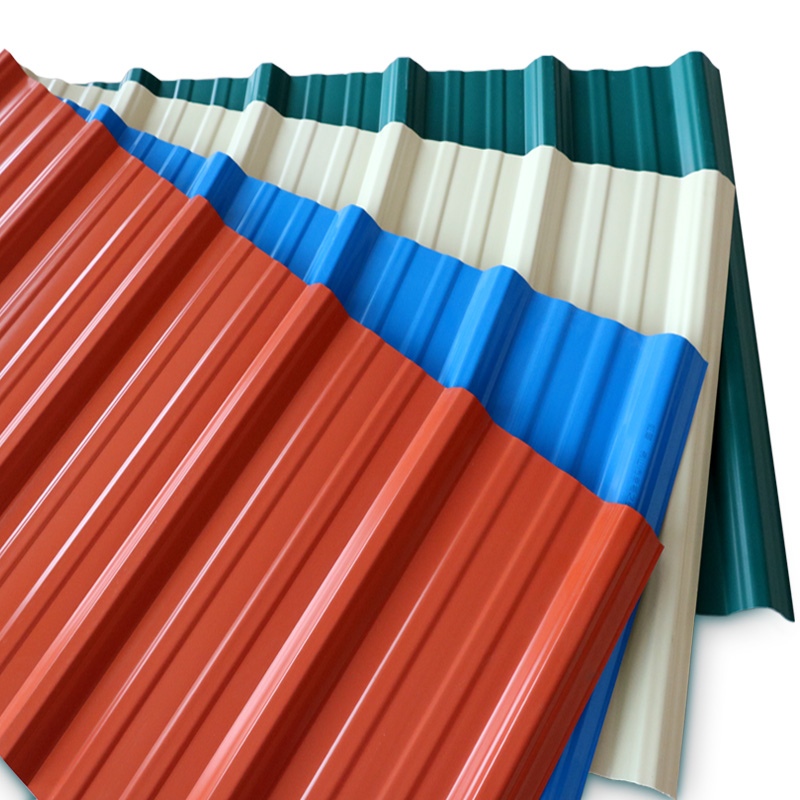
One main reason PVC roofing works well in business settings is its toughness. The covering stands up to holes, contact with chemicals, and outside pressures. In factory areas with fats, oils, or chemicals in the air, PVC coverings keep their shape better than lots of older roof types.
This quality makes PVC commercial roofing a good fit for plants that handle food, making spots, and places that send out goods.
Typical Lifespan of PVC Single-Ply Roofing
With correct setup and regular checks, PVC roofing setups usually serve for 20 to 30 years. Several things affect how long it lasts:
- Quality of the setup
- Weather in the area
- How often do you maintain it
Cleaning on a schedule and checking joints right away after bad weather help the covering work as planned for its full time. This way, you get the most back from your money.
Energy Efficiency and Reflectivity
A top strong point of PVC roofing is how it handles energy. Most PVC coverings come in pale shades with good bounce-back for sun rays. They send back UV light instead of taking in warmth. As a result, these roofs keep the inside temperatures more even.
In business buildings, this leads to:
- Less need for cooling
- Lower running costs for heating and cooling systems
- Better feel inside
As years go by, these energy cuts add up to real savings on total costs.
Fire Resistance and Safety Performance
PVC roofing coverings have chlorine built in, which gives them natural protection from fire. This trait lets the roof system stop burning on its own once the starting heat is gone.
From the view of handling risks in business, materials that resist fire help meet tougher rules for buildings. They also cut down on harm from big events.
Wind Resistance in Severe Weather Zones
Handling strong winds matters a lot for business roofs with low slopes. When joined and fixed right, PVC single-ply coverings make a nonstop shield against water. They can hold back big lifting forces from the wind.
In areas with storms, hurricanes, or winds that pick up in seasons, PVC roofing setups offer a solid build without often losing parts or having them shift.
Color Options and Design Flexibility
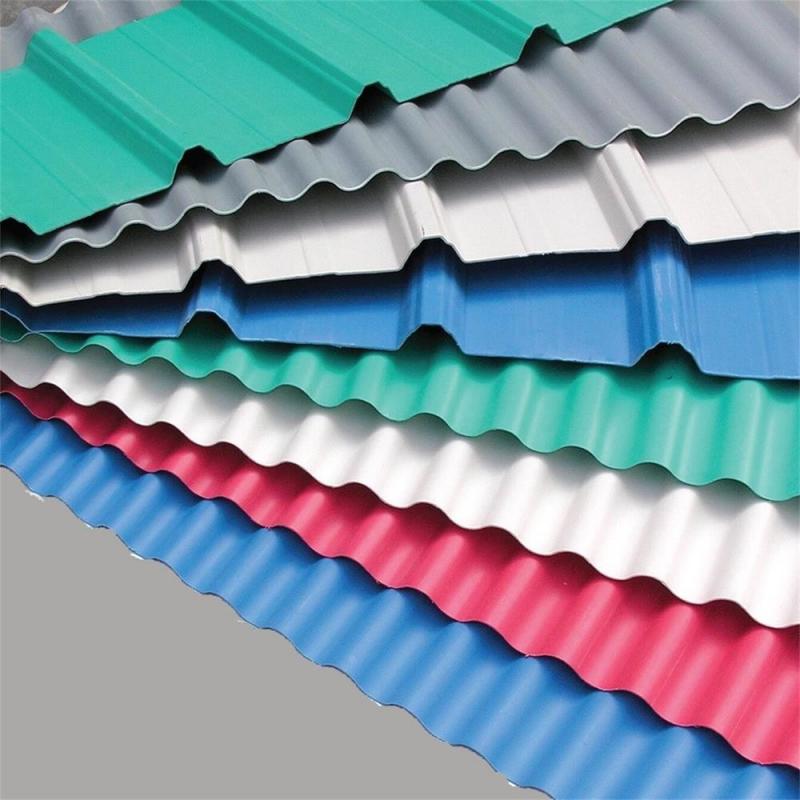
Different from some older business roof materials, PVC coverings come in many shades. White and light gray stay common for saving energy. But you can get darker or special colors too, to match the building’s look.
Another good point is how well the color holds up. PVC fights off fading from UV light. So, business properties keep a neat, pro look as time passes.
Curb Appeal and Long-Term Appearance
Business roofs add to the front look more than people might think. PVC coverings keep their even surface and resist marks, color shifts, and cracks on top.
For those who own properties, this helps with:
- A solid show for the brand
- Better value for the property
- Easier to sell or rent out
A roof that looks steady shows good care of the asset over the long run, not just cheap fixes now.
Maintenance Requirements of PVC Roofing
People know PVC roofing setups for needing little upkeep. Basic care often covers:
- Cleaning the top now and then
- Checks once a year or every six months
- Looks at joins after rough weather
When you compare it to roofs with many layers, PVC single ply roofing cuts down on work time and budgets for care in the long term.
Installation Process and Structural Impact
Compared to many other business roof setups, PVC coverings weigh less. This lowers the load on the structure. Often, it means no need for pricey adds during re-roof work.
Putting it in goes quickly. This brings two big gains:
- Shorter times for building
- Less upset about daily business work
Work that takes less effort also helps keep project costs steady.
Additional Benefits: Sustainability and Insulation
PVC roofing fits current goals for being green. At the end of their use, many PVC coverings can be recycled. This cuts down on waste in dumps and helps reuse materials in a loop.
Plus, PVC roofing setups pair well with layers for insulation. They boost resistance to heat in summer and winter alike. This even handling of warmth matches energy rules in markets around the world.
Why We See Growing Demand for PVC Commercial Roofing
From where we stand as suppliers, more people choosing pvc commercial roofing shows wider needs in the market: toughness, energy savings, safety, and value over time. As a company in the worldwide trade of building materials and lasting ties, we see PVC roofing as a smart pick, not just a passing fad.
As a firm heavily active in supplying building materials across the globe, including roof options, Guanyu Ceramics grasps how key factors like performance, dependability, and costs over the life of the product influence picks for business roofs.
We focus on adding solid roof products to a bigger set of construction items. This ensures steady quality, rule-following, and reliable supply for jobs across the globe.
Frequently Asked Questions (FAQ)
Q1: Is PVC single-ply roofing suitable for all commercial buildings?
PVC roofing fits best on roofs with low slopes or flat ones. People use it a lot on storage buildings, plants, shop centers, and public spots.
Q2: How does PVC roofing compare to other single-ply membranes?
PVC gives better stand against chemicals and strong joints from heat joining. This makes it last longer in factory settings.
Q3: Does PVC roofing perform well in hot climates?
Yes. Its good bounce-back for light cuts down on taking in heat. This boosts comfort inside and energy use in warm areas.
Q4: Is PVC roofing environmentally responsible?
PVC coverings can be recycled. They also help use less energy, which aids goals for green building.
Q5: What affects the lifespan of PVC single ply roofing the most?
The quality of setup, contact with weather, and regular care stand out as the top things that shape how long it lasts.

our best Product
Product We’re Offering


get in touch
How May We Help You!

our testimonials
What They Say About Our