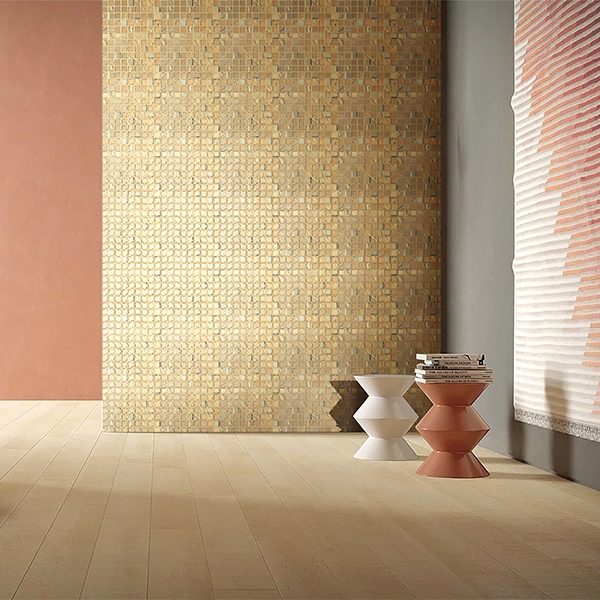
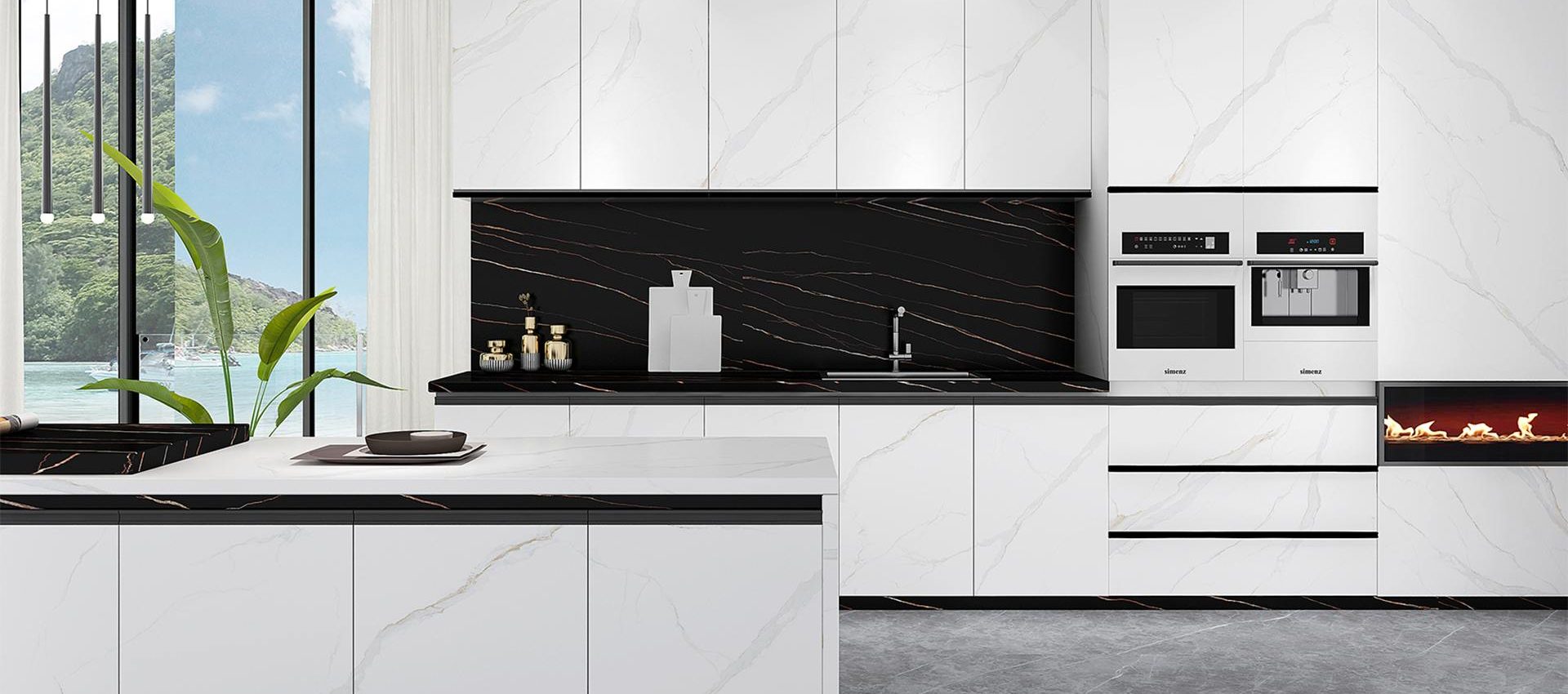
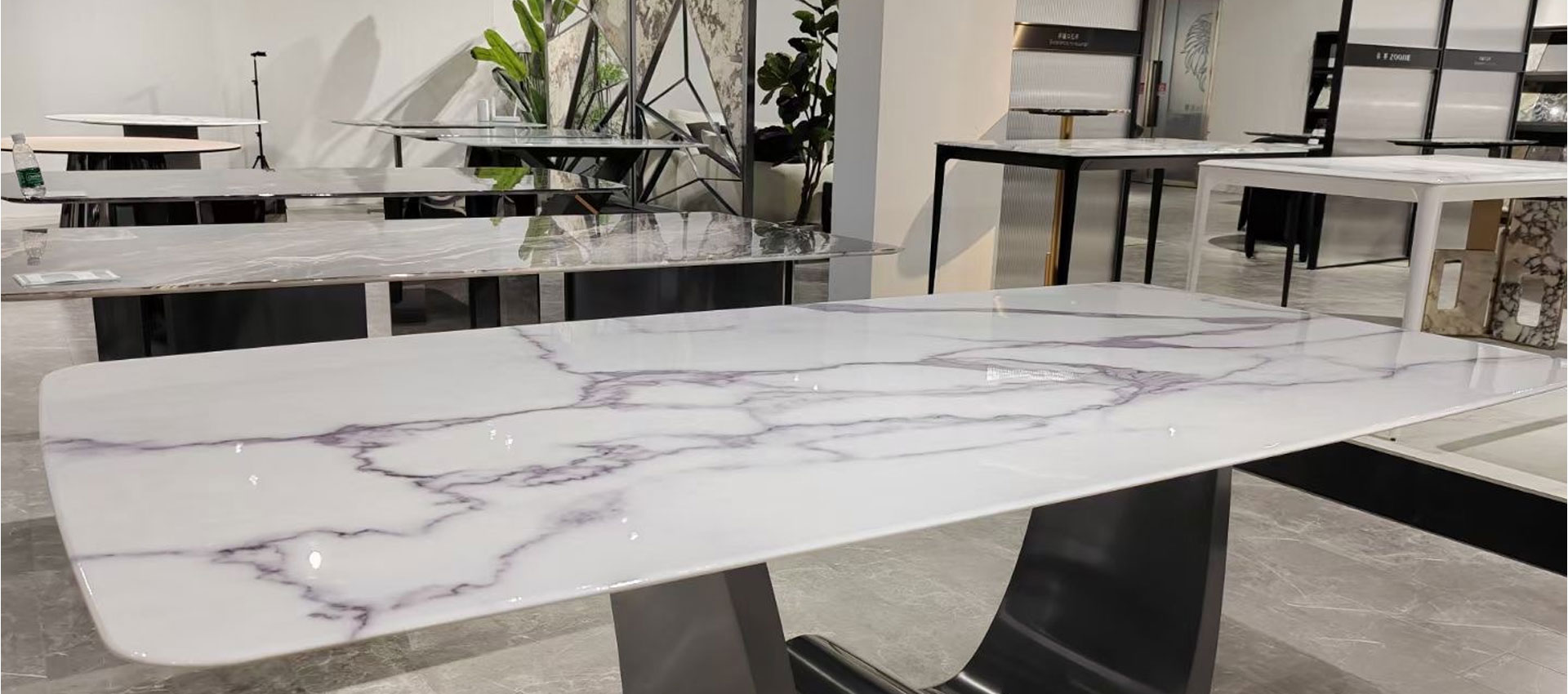
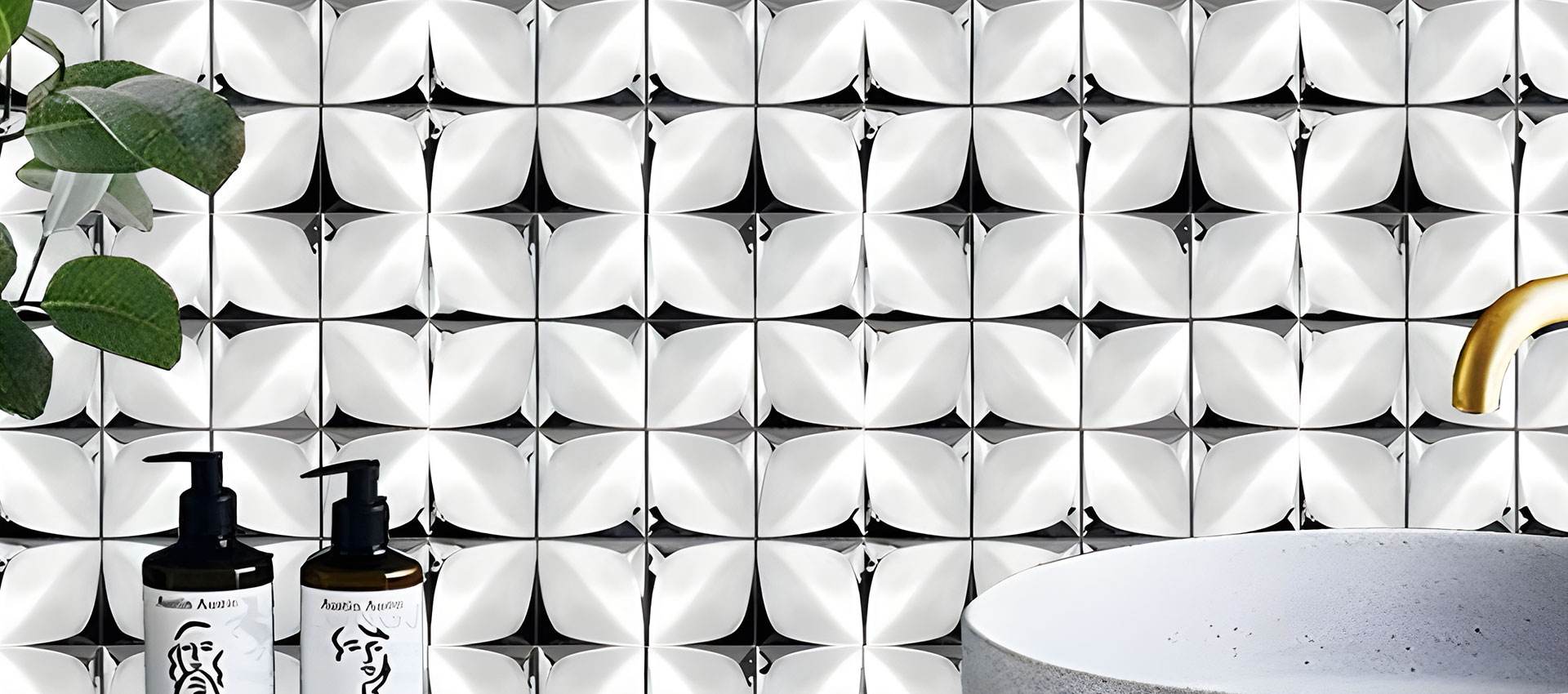
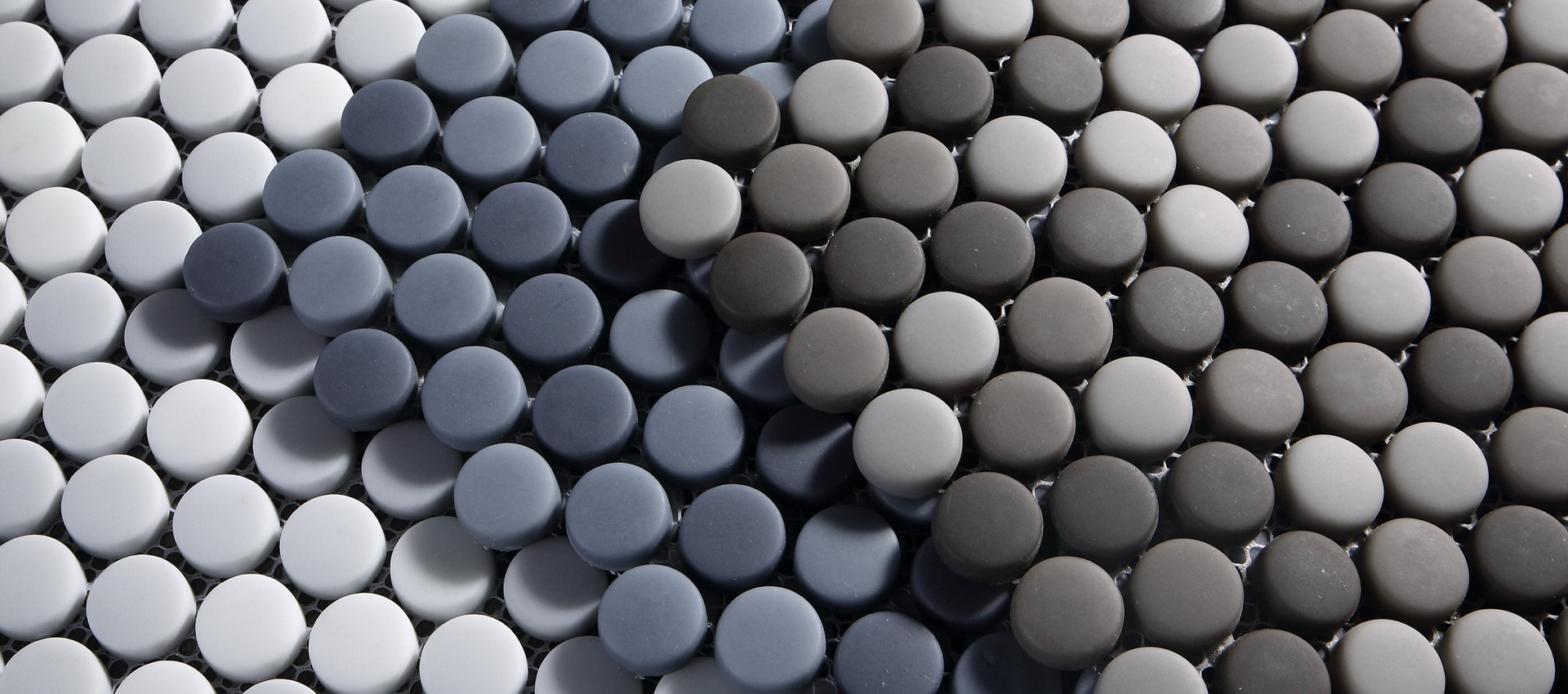
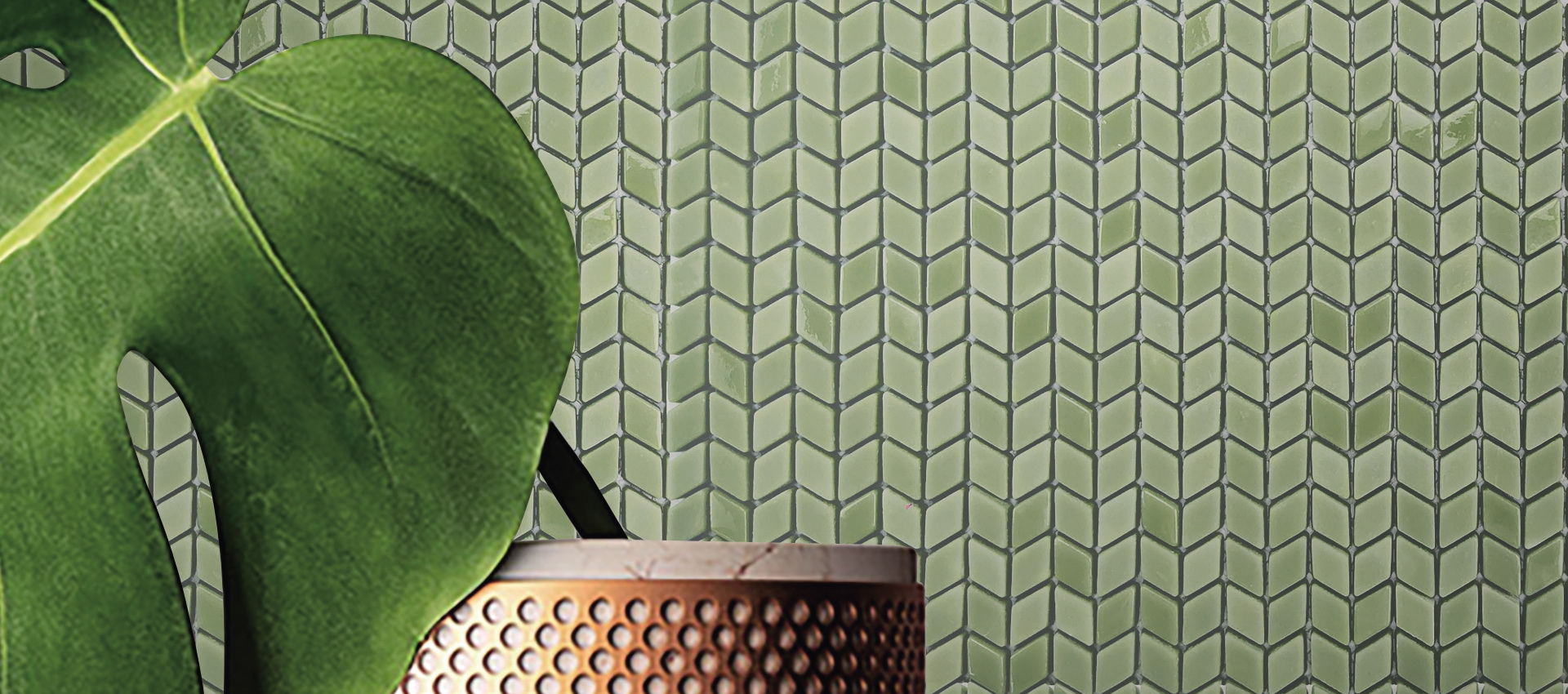
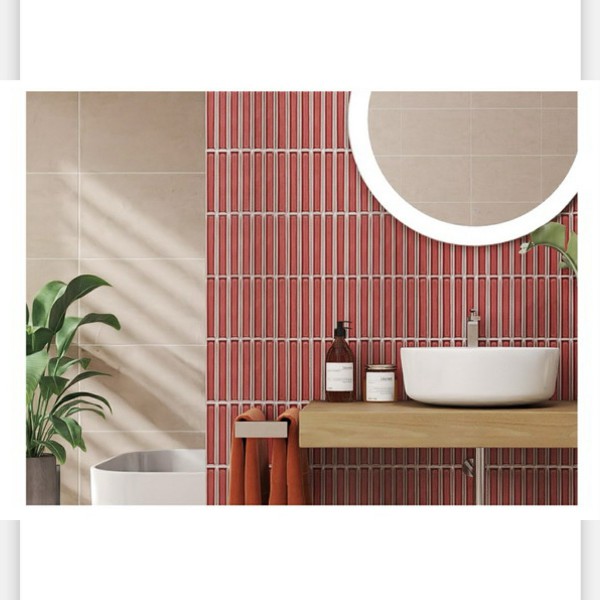
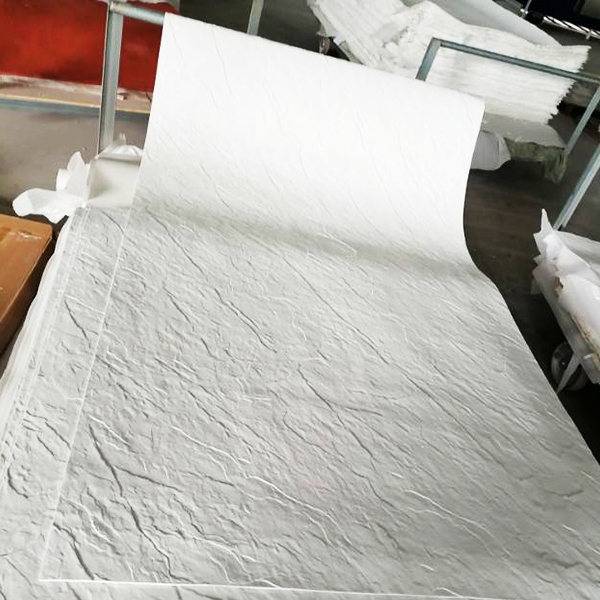
Porcelain Mosaic Tiles incredibly hard, scratch-resistant, and non-porous. Easy to clean with a damp cloth
New Arrival
-

-
 Seamlessly conforms to curved and irregular structures with a minimum bending radius of 12cm, resolving thermal stress deformation in high-rise buildings.
 -
-
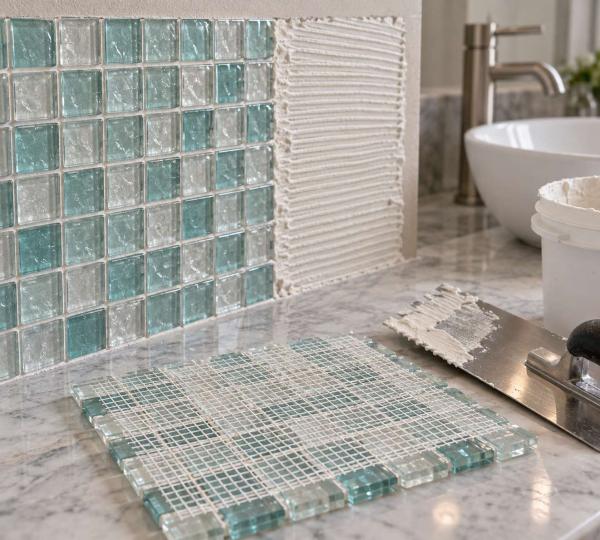
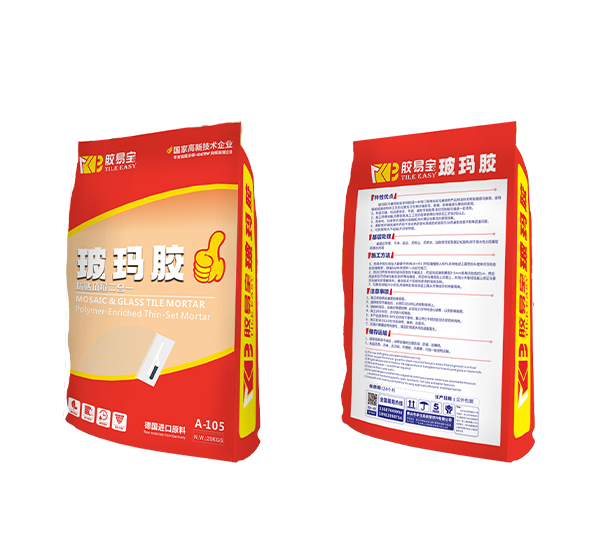
High Quality Mosaic And Glass Tiles Mortar. Strong Adhesion,Easy Application,Water/Stain Resistance
Category




About Us
Foshan Guanyu Technology Co., Ltd.
Foshan Guanyu Technology Co., Ltd. was founded in 2001. We focus mainly on the import and export of tiles, mosaics, and other building and decorative materials. In 2005, the company invested in tile production in Foshan, China’s main production base for building ceramics. Our main export brand is “Guanyu Ceramics”.
“Quality first, trust is the key of cooperation” is our business principle.
Guanyu Ceramics primarily produces polished tiles and glass mosaics. We also offer OEM production of antique-style tiles and glazed wall tiles as secondary product lines. We have established distribution channels worldwide, making the “Guanyu” brand popular globally. Our products are currently sold in dozens of countries and regions including Southeast Asia, the Middle East, Italy, the USA, Brazil, Chile, Peru, Colombia, Mexico, and Russia.
News
-
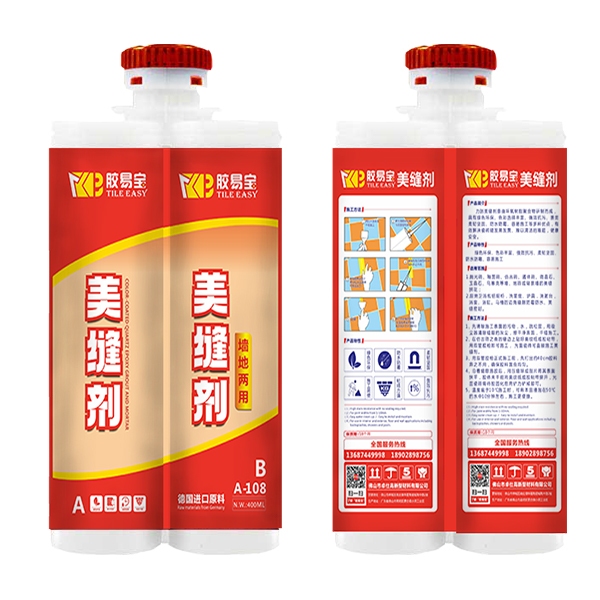
 Glass Mosaic Adhesive and Backing CompatibilityA glass mosaic sample can look right on a display board and still leave an installer with two unanswered questions: what will the mortar look like through it, and what will the mortar actually bond to? Distributors need both answers before recommending an adhesive. Glass mosaic tile adhesive selection is therefore a compatibility decision involving the tile face, its backing and the intended installation, rather than a choice based only on the word glass on a bag. The adhesive becomes part of the appearance Translucent glass needs an appearance check with the intended installation materials. The adhesive colour and the way the bed is formed can influence the finished look. An attractive loose sheet is not enough to establish how it will appear once fixed and grouted. A small installed panel gives the trade buyer something more useful to review. Use the proposed tile, adhesive and grout together, then assess the result after the specified curing period. Include the lighting that matters for the application where practical, rather than judging the panel only in a warehouse. Mortar colour needs a real sample White mortar is commonly associated with translucent glass, but the correct recommendation must come from the tile and adhesive manufacturers for the selected assembly. Do not assume that every mortar sold for glass is white, or that a white mortar will suit every coated or backed glass tile. The distributor’s role is to keep that distinction clear. A request for mortar for glass tile should lead to a discussion about the actual glass and its backing. It should not end with a colour recommendation detached from the product being installed. A uniform appearance needs suitable installation Visible ridges or irregular dark areas call for a review of the installation method as well as the material choice. Ask the installer to follow the specified trowelling and bedding procedure and examine the trial panel. Do not promise that a colour change alone will resolve every appearance issue. For a product-specific discussion, Guanyu Ceramics supplies TILE EASY Mosaic & Glass Tile Mortar, model A-105. This mosaic and glass tile mortar is supplied in 20 kg packs and supports bonding and grouting. Its suitability for a particular glass backing and required visual finish still needs confirmation. The back of the sheet determines the next question Backing deserves its own inspection because the bonding surface may include more than glass. Mesh, fixing dots, coatings and other mounting materials create different conditions. Photograph the reverse of the actual sheet and identify the mounting system before seeking a recommendation. The important distinction is between bonding directly to glass and bonding through, or against, another material. A mortar recommendation for one configuration should not be transferred casually to another. A shared pattern or colour does not establish that two sheets have the same construction. Mosaic construction Main compatibility question Useful review material Translucent glass Will the installed bed affect appearance? Cured sample panel Rear mesh mounting Is the mounting adhesive compatible? Rear photograph and tile information Coated glass backing Is bonding to the coating approved? Coating identification Mixed-material sheet Does one system suit every component? Complete sheet specification The table identifies questions rather than approving any construction. A product labelled for glass cannot, by that label alone, establish compatibility with an unidentified coating or mounting adhesive. Obtain confirmation for the complete sheet, not just its most visible material. For buyers sourcing mosaic tile adhesive in China, the adhesive recommendation should be reviewed alongside the tile information. Keep it attached to that specific tile selection so that warehouse substitutions do not quietly invalidate the earlier discussion. Wet exposure changes the compatibility review A dry decorative wall and a continuously immersed installation are different exposure conditions. Ask for explicit approval of the proposed assembly for its intended use. Water resistance on an adhesive label should not be read as blanket permission for swimming pools or as proof of a waterproof wall system. That distinction matters for mesh-mounted mosaics in particular. The mounting material also needs to be suitable for the exposure. An adhesive recommendation cannot settle a weakness in an unidentified backing, so involve the tile supplier when the construction is unclear. Shower use also requires a suitable substrate and waterproofing design. Keep the adhesive compatibility decision connected to that assembly, without asking the adhesive to perform every function. Grout, waterproofing and movement detailing need their own appropriate specifications. A trial panel answers the practical questions A useful trial panel reproduces the combination that will be sold or specified. It is not a display exercise using whichever mortar happens to be open. Record the product identities so that the approved result can be connected to the eventual supply. Before approving a recommendation, review: The tile face, reverse and mounting method. The proposed adhesive and grout identities. The substrate and intended wet exposure. The cured appearance and any unresolved compatibility questions. Application conditions also belong in that review. A-105 calls for a level, dry, solid surface free from dust, oil and grease. Its stated application temperature is 5-40 degrees Celsius. Those conditions help define a meaningful product trial; they do not prove suitability for a backing that has not been assessed. The working area needs to be understood correctly. A-105 guidance uses approximately one square metre at a time and an application thickness of 1-5 mm. The one-square-metre instruction is a working-area limit, not the coverage of a 20 kg bag. Ask for a coverage estimate tied to the actual installation. A clear recommendation at the trade counter Distributors can make adhesive advice more useful by keeping the tile and installation context together. When comparing glass tile adhesive suppliers in China, establish the mosaic construction first, then request the matching adhesive recommendation. Avoid treating the tile sample and mortar bag as independent purchases. Any unresolved detail should remain visible in the recommendation. For example, do not turn an unconfirmed mortar colour into a sales claim, or extend a dry-wall recommendation to immersion. A short, accurate limitation is more useful than an assurance that cannot be tied to the actual materials. Summary for glass mosaic adhesive selection Glass mosaic adhesive selection has two connected tests: the cured appearance and compatibility with the real bonding surface. Identify the backing, confirm the exposure and review a representative panel. A product name helps begin the discussion; the complete tile-and-adhesive combination is what needs approval. For a product discussion with Guanyu Ceramics, contact us with photographs of both sides of the mosaic and details of the intended installation. FAQ Is white mortar always required for glass mosaics? Do not make that a universal rule. Confirm the mortar colour and adhesive system recommended for the selected glass, then review a cured panel. Appearance and bonding compatibility both matter, including any coating on the tile reverse. Can ordinary tile adhesive be used for glass? Only use an adhesive approved for the particular glass tile and installation conditions. A general ceramic-tile description is not enough to establish that approval. Ask about the actual backing rather than relying on the appearance of the face. Does mesh backing affect the adhesive choice? Yes. The mounting material becomes part of the compatibility question. Identify the mesh and its fixing adhesive, and confirm suitability for the intended exposure. Avoid assuming that approval for unbacked glass automatically includes a mesh-mounted sheet. Does water resistance mean an adhesive is pool suitable? No. Continuous immersion needs explicit confirmation for the complete assembly, including the tile mounting materials. A general water-resistance claim does not provide that approval or replace the pool’s waterproofing design. Can A-105 be used for bonding and grouting? A-105 supports both functions. Confirm its use with the selected mosaic, joint requirements and exposure before specifying that approach. Dual use does not eliminate the need to check appearance, backing compatibility or the surrounding installation system.Read More
 -
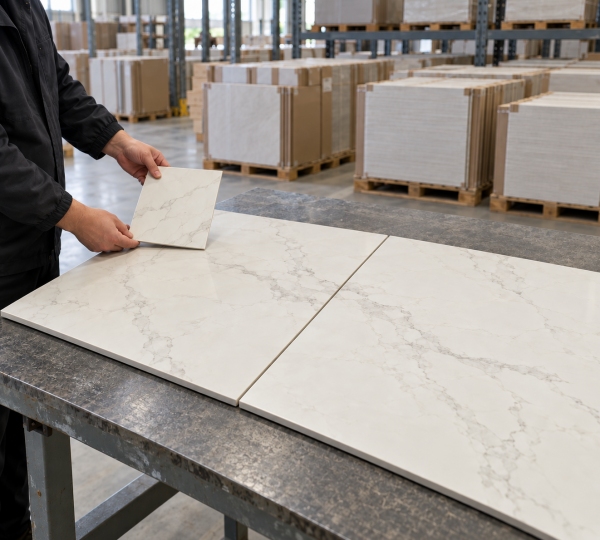
Fully Sintered Tile Prices Beyond Square Meter CostA fully sintered tile quote can look competitive until cutting, finish control, packing, breakage, and replacement risk are added to the project cost. For importers and commercial buyers, the smarter comparison starts with what the quoted square meter actually includes. A Low Unit Price Can Hide Project Cost The quoted price per square meter is only one part of a fully sintered tile purchase. Thickness, surface finish, print quality, slab size, fabrication, packaging, and order repeatability can all change the real cost after the shipment reaches the project. A buyer should treat the cheapest quote as a question rather than an answer. If two quotes differ sharply, the difference may come from material grade, production tolerance, finish process, packing method, or the level of service included before loading. Specification gaps change the comparison Quotes are hard to compare when one supplier includes only basic slabs while another includes cutting, edge treatment, matching control, or stronger export packing. The apparent savings may disappear when the missing work is purchased later. Replacement risk has a cost Large-format sintered surfaces can be expensive to replace after breakage or shade mismatch. A fair quote should reduce that risk through consistent production, sensible packing, and clear confirmation before shipment. Quote item Why it affects price Buyer check Thickness and format Larger or thinner panels need tighter handling Confirm size, thickness, and tolerance Surface finish Matte, polished, and printed finishes use different processes Review samples under project lighting Fabrication CNC cuts and mitered edges add labor Separate slab price from processing cost Packing Export protection reduces breakage risk Ask how panels are packed and labeled Look at the Material Role in the Project Fully sintered tile is often selected because it can replace heavier or less flexible surface materials in walls, floors, furniture, and feature panels. That role matters because the same product may carry different cost expectations in a hotel lobby, retail wall, cabinet surface, or decorative panel. Guanyu Ceramics supplies tiles, slabs, and sintered stone surfaces for decorative building projects, including large-format slab and digitally printed surface applications. Buyers reviewing fully sintered tile price details should connect the quote to the exact application instead of comparing the number in isolation. For flooring, confirm wear expectations, finish, and carton consistency. For walls, check size tolerance, flatness, and visual matching. For furniture or counters, separate slab cost from fabrication work. For art slabs, confirm print quality and color approval process. Delivered Cost Is More Useful Than Factory Price Delivered cost gives buyers a better view of commercial value because it includes export packing, loading efficiency, breakage allowance, communication time, sample approval, and replacement coordination. These items are easy to overlook when a quote is reduced to square meters. The same thinking applies to internal purchasing approval. A procurement team may prefer the lowest factory price, while the project manager needs fewer delays, fewer shade disputes, and a product that contractors can install without repeated clarification. A useful quote therefore explains what risk has already been managed by the supplier. If the supplier has clarified finish, packing, labeling, and inspection before shipment, the buyer can compare the price against fewer unknowns. A cheap fully sintered tile quote may still work for a simple project if expectations are modest and the specification is stable. For public-facing commercial interiors, however, a slightly higher quote can be safer when it reduces quality disputes and late replacement pressure. Packing and loading affect usable value Large panels need careful packing because one damaged carton can delay an installation sequence. Buyers should ask whether the packing approach matches the panel size, route, and unloading method. Service details affect schedule risk Pre-shipment photos, sample approval, carton labeling, and clear product records help the importer manage communication with contractors. These services do not always appear as line items, but they influence project reliability. How to Build a Fair Comparison Sheet A fair comparison sheet should normalize every quote before price is judged. Buyers can list what is included, what is excluded, and what still needs confirmation, then compare cost only after the product scope is the same. When a buyer asks for a fair price fully sintered tile comparison the sheet should include product format, finish, processing scope, MOQ, packing, sample timing, and expected use. This makes the final decision easier to explain internally. Comparison field Quote A Quote B Product size and thickness Confirmed in writing Needs confirmation Finish and pattern approval Sample approved Photo only Edge or cutting work Included Quoted separately Export packing Crate details provided Basic carton stated Practical Takeaway for Price Decisions Fully sintered tile pricing should be judged by project value, not by square meter cost alone. A useful quote clarifies specification, finish, fabrication, packing, delivery risk, and future repeatability so the buyer can see the real delivered cost. If you are comparing quotes for a commercial surface package, send the size, finish, quantity, and processing needs when you contact us so the discussion can focus on comparable pricing rather than loose unit numbers. FAQ Why do fully sintered tile prices vary so much? Prices vary because size, thickness, finish, print quality, fabrication, packing, order quantity, and service scope can differ. A low number may not include the same work as a higher quote. Is low cost fully sintered tile always risky? Not always. It can fit simple applications when the specification is clear, but buyers should check whether quality control, packing, and repeat supply meet the project requirement. What should be included in a fair quote? A fair quote should state the product size, thickness, finish, quantity, processing work, packing method, lead time, payment terms, and any excluded costs. How can buyers compare sintered tile suppliers? Buyers can compare suppliers by normalizing specifications first, then checking samples, production consistency, export experience, communication, packing, and replacement support. Does fabrication change the final price? Yes. Cutting, edging, mitering, drilling, and custom printing can change the final price because they add labor, tooling, quality checks, and breakage control.Read More
-
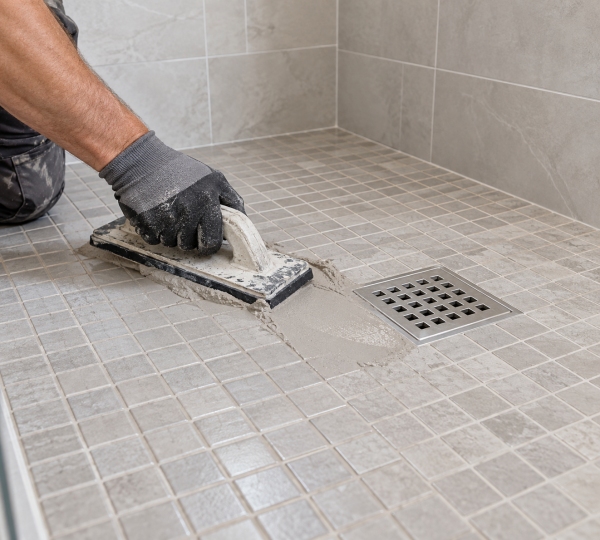
Shower Grout and Waterproofing ExplainedGrout is never a true substitute for a shower’s actual waterproofing system. This remains the core message that distributors and project suppliers must explain. Customers often ask for waterproof shower floor grout. However, a joint filler, a surface treatment, and a waterproofing layer all perform very different jobs. Keeping these roles separate makes things simpler. It helps you recommend the right product. Furthermore, it helps you recognize when a leaking shower requires a full installation review instead of just adding another coat of sealer. Where grout fits in a shower assembly Grout simply fills the gaps between tiles. It adds to the finished surface look. Its specific properties matter greatly for visual appeal, easy cleaning, and general suitability for daily use. However, those basic properties do not prove that the entire shower structure will safely hold water. A working shower also relies heavily on the hidden construction beneath and around the tiled finish. Continuous waterproofing, proper drain connections, and other vital transitions form that underlying system. Simply recommending a specific grout cannot determine if those critical details were designed and built correctly. This clear distinction becomes quite relevant when you select products with multiple functions. Guanyu Ceramics offers TILE EASY Mosaic & Glass Tile Mortar, model A-105. This item provides bonding and grouting functions. It also offers water and stain resistance. Yet, these good features do not make it a valid replacement for a dedicated waterproofing membrane. For distributors sourcing shower floor grout in China, the intended use, tile compatibility, and joint requirements must guide your final selection. The chosen product must fit the exact specified shower assembly. It should never be used to hide or fix an unknown structure underneath. Water resistance has a limited meaning Water resistance is merely a specific material trait. Its exact limits must be fully understood for each particular product. You must not stretch this term into a false promise. It does not guarantee that water will never reach the underlying substrate. It also does not mean water cannot escape at a corner joint. Always ask what specific use conditions and installation rules apply. The exact same caution applies to the word “waterproof” during a product search or sales inquiry. A customer might actually be worrying about simple staining, basic daily cleaning, or a serious active leak. Always clarify the exact problem before you offer any material. These vastly different situations do not require the exact same response. Joint treatment and system protection are different jobs A correctly filled tile joint is just one small part of the completed shower. The whole assembly still requires careful attention to the corners, edges, and other typical movement zones. Follow always the prescribed jointing scheme. Never take it for granted that exactly the same rigid jointing compound serves equally well in all gaps. Thus, the actual practical problem for a distributor is not only to find out which grout withstands the water most successfully. The real problem is whether the proposed material will be suitable for its own specific job. Also, you need to make sure that the customer clearly knows about other parts of the complete assembly that require a totally different approach. What a grout sealer can and cannot settle When evaluating a grout sealer for showers in China, a distributor must always verify the specific grout type and expected water exposure. Depending on the exact product, a sealer might lower water absorption. It might also help improve stain resistance. However, neither benefit proves that a shower with a broken waterproofing system has suddenly become fully watertight. Any sealer recommendation must also carefully consider the current existing surface. First, find out exactly what grout is already there. Next, check if any surface treatment was previously applied. Do not blindly assume that every single grout requires sealing. Also, do not assume that every available sealer works safely with every possible joint material. Material or treatment Main role What it does not establish alone Tile grout Fills tile joints A complete waterproof shower Compatible grout sealer Surface treatment for specified benefits Repair of a failed waterproofing layer Specified flexible joint sealant Treats designated movement joints Protection across the whole substrate Waterproofing system Protects the assembly from water passage Correct installation of every connection The common names of these specific products can easily cause major confusion. Terms like grout sealant, joint sealant, and penetrating sealer must never be treated as simple interchangeable labels. When you review the tile grout and joint-treatment range, always check the exact product function before you make any final recommendation. This careful check is highly useful for any distributor building a clear product catalog. An adhesive grout with helpful dual functions still requires a highly accurate description of its true intended role and its verified properties. Avoid grouping vastly different products under one simple “waterproof grout” heading. That poor choice falsely implies they all solve the exact same problem. The problem determines the next step A dirty stained joint and a seriously active leaking shower require completely different conversations. Always ask what the customer has actually seen. Ask exactly where the issue happens. Also, ask if the problem only occurs after normal daily shower use. A simple photograph of ugly discolored grout cannot ever reveal the true hidden condition of an underlying waterproofing layer. Stains and routine maintenance For basic surface staining issues, first identify the specific grout used. Then, carefully review the officially approved cleaning and daily maintenance guidance. A fully compatible sealer might be quite helpful for certain materials. However, proper application conditions and thorough surface preparation still matter greatly. Never falsely promise that sealing will magically remove an old existing stain. Do not claim it makes all future maintenance totally unnecessary. Good maintenance advice must always remain highly specific to the exact product. Always ask for the officially recommended cleaning method. If sealing is truly appropriate, ask how the need for future reapplication is properly assessed. Avoid suggesting a universal resealing timeline. Such broad advice unwisely ignores the specific material, the current treatment, and the real daily use conditions. Cracks and signs of leakage Visibly cracked joints or unwanted water appearing far outside the shower area demand a deep investigation of the root cause. Repeatedly adding more grout or extra sealer without finding that true hidden cause will leave the main underlying issue completely unresolved. Always strongly recommend a thorough physical assessment by a fully qualified professional installer whenever serious leakage or structural movement is highly suspected. The most crucial point is knowing the strict limit of any simple product recommendation. A brand new grout might serve as one small part of a larger repair job. However, it must always follow a proper professional diagnosis. It cannot, by itself, ever confirm that the hidden drain connection, the wall transitions, or the main waterproofing layer are actually safe and sound. Clear product descriptions prevent the wrong promise Honest trade descriptions must always clearly separate verified material properties from broad, unproven claims about an entire complex installation. For model A-105, the correct and relevant wording highlights its bonding and grouting capability, along with its water and stain resistance. You must never rewrite those specific good properties as an absolute guarantee of a totally leak-free shower. An adhesive grout for tile joints is best discussed strictly within that clearly limited role. The chosen wall tile, the underlying substrate, the daily water exposure, and the total installation system still need to be carefully checked. Do this before recommending the product for any particular demanding job. A useful product conversation covers: Whether the concern is appearance, maintenance, cracking or leakage. The existing or proposed grout and any surface treatment. The specified waterproofing and joint details. Any unresolved condition that needs an installer to inspect it. Summary for shower grout advice Always clearly explain shower grout as just one single part of a much larger layered assembly. Select it specifically for the tile joints. Consider surface sealers only for their strictly verified intended purpose. Keep all major waterproofing decisions focused at the total system level. When the main customer complaint is active leakage, finding the true root cause must always come first. Do this before simply choosing another basic surface product. For extra professional help identifying the most appropriate product category from Guanyu Ceramics, please contact us with your specific tile, grout, and intended daily shower-use details. FAQ Is shower grout waterproof? You must never use basic grout as the shower’s primary waterproofing system. Even in cases where a specific grout boasts very strong water-resistance properties, that fact alone does not establish fully watertight connections. It does not ensure safe continuity throughout the entire complex assembly. The properly specified underlying waterproofing layer must always perform its own vital role. Will sealing grout stop a leaking shower? Do not ever assume it will work. A simple surface sealer is never a valid substitute for properly diagnosing a real leak. It cannot repair broken or defective waterproofing materials. Always have the true root cause professionally assessed before choosing any repair method. This is especially crucial when stray water clearly appears well beyond the main shower area. Does every shower grout need a sealer? No single universal rule applies here. Always carefully check the particular grout type and the newly proposed sealer for true chemical compatibility and actual physical necessity. Some different materials possess vastly different daily maintenance requirements. Therefore, a good professional recommendation should always identify the exact specific product. It should never broadly cover all possible shower joints together. Is epoxy grout a replacement for a waterproof membrane? No, it is not. Choosing a tough epoxy grout does not ever eliminate the strict need for the properly specified hidden waterproofing system. It does not replace correct corner junction details. The epoxy grout’s specific material properties and the long-term performance of the complete finished shower always remain two completely separate technical questions. Can one material fill every joint in a shower? Do not falsely assume so. Standard tile joints and specially designated movement joints possess very different physical requirements. Always strictly follow the total assembly’s specified design details. Only use specific products officially approved for those exact roles. This rule is particularly vital at structural changes of plane and other highly critical wall transitions.Read More
-
Fully Sintered Tile Suppliers for Repeat OrdersGetting that first container just kicks off your stocked tile lineup. A tougher issue pops up during the next purchase. Can your vendor actually pinpoint what you previously bought? Can they explain any updates and give a realistic restock date? Importers often compare different fully sintered tile suppliers. For these buyers, order repeatability needs serious thought. Getting a sample approved is great. However, it fails to solve future problems. You still must figure out how the factory handles upcoming batches, dropped designs, or tiny replacement amounts. What a repeat order actually needs to repeat Every reorder requires a solid product identity. You should request a specific reference. This reference must link the design code, physical size, thickness, and surface finish directly to your approved sample. A simple picture leaves way too much room for guessing. This is especially true if multiple collections feature a very similar marble look. Your business relationship also requires clear boundaries. A vendor might make certain lines themselves while buying others from outside. Therefore, you must find out who truly controls the specific item you plan to stock. The approved reference Try to keep an agreed physical sample whenever possible. Make sure you attach the item code and the exact approval date to it. You must write down what this approval actually covers. It might cover one specific piece, a set of acceptable looks, or a planned layout. Never let one tiny swatch quietly turn into an approval for every single visual difference in a massive slab. When building your first shortlist, the fully sintered tile supply range acts as a helpful starting point. It helps you discuss the precise item. After you make a final choice, always use its specific identifier in all future emails. Do not keep describing it as just that same white or grey tile. The boundaries of the match A perfect future match must only become a written promise if the vendor can truly back it up. You need to ask how they will compare a fresh replacement against your kept reference. Also, ask what happens if the newly made batch looks noticeably different. Agreeing on a clear checking method is highly valuable. It works much better than just hoping an unchanged collection name fixes everything. Replenishment choices before the range goes live Good stock planning must separate an ongoing catalogue item from something made for just one single purchase. You should ask if the chosen product is normally kept in stock. Find out if it is made only when ordered or if it faces an upcoming review. Always treat their answer as temporary facts that need checking again later. Do not view it as a forever promise. Your product mix can then show how you will restock each specific item. A collection driven by showroom displays might need a completely different inventory rule than a rare project piece. You will not find a magic spare-stock percentage here. Instead, you must rely on your personal sales trends. Look at your locked-in projects and your overall risk for replacement demands. Reorder situation Question to settle Useful written outcome The exact item stays available Does the upcoming batch require new approval? Item code and checking steps Surface or pattern updates When will the buyer get an alert? Alert and swap procedure A tiny extra amount is needed What amount and boxing style can work? Agreed extra-order rules The product is getting dropped Can we place one last order? Final purchase date if allowed This chart serves as a basic chat guide. It does not represent a list of guaranteed vendor promises. A firm refusal regarding a tough top-up order is actually helpful. It is much easier to plan around a clear refusal than a fuzzy promise claiming everything will arrive eventually. How changes should reach the buyer Talking about updates must form part of your partnership right from the very first deal. You should ask the vendor to point out any shifts involving the item code, surface finish, physical size, boxing, or manufacturing source. They must do this before they lock in a repeat shipment. You also need to state exactly who inside your company has the power to accept a suggested swap. A fresh pattern might work wonderfully for a brand-new job. However, it could look terrible next to an older, existing floor. You must keep these two situations totally separate. Your buying staff must never accept a substitute just because it looks pretty on its own. The team really needs to understand what the end user expects it to match. When you look over a fully sintered tile wholesale collection, you need to separate a brand-new lineup choice from the extension of an older series. Make sure you write down this choice directly on the purchase document. This step matters greatly when the basic sales description looks almost identical. Use a short approval record that includes: The existing item and the proposed replacement. The reason a change is being considered. The sample or images reviewed, with their dates. The person who accepted the change and any limits on that acceptance. Any substitute approval must clearly state its exact boundaries. Saying yes to a fresh showroom display must not automatically allow that same item to go into an older client project. This minor detail gives your sales team a very clear answer when the next customer question pops up. The second order is a practical supplier test Placing an early reorder acts as a great test for your working partnership. It helps before your product list gets too big. If it makes financial sense, try to buy a small, easy selection again. Then, watch how well the vendor links it back to your first approved piece. You must check their paperwork process just as closely as the final shipped goods. The most helpful questions are actually very basic. Did the vendor request your older purchase number? Did they highlight any updates before starting the machines? Did they give the shipping date as a locked-in fact or just a rough guess? You should write down all these answers. This ensures your future fully sintered tile buying choices rely entirely on proven vendor habits. Shipping rules require the exact same focus as product details. You must ask which specific event kicks off the promised waiting time. Find out if a sample check is still pending. Also, ask how they will tell you when the boxes are ready to move. Never turn a rough time guess into a firm client promise until you nail down all the related facts. A supplier relationship that can grow sensibly Growing your product range must only happen after you see proof of a smooth restocking system. Guanyu Ceramics provides strong OEM and ODM support. This includes help with physical sizes, surface patterns, and exact color matching. For an ongoing purchase plan, you should talk about which of these extra services fits your selected item. Also, discuss how any agreed changes will show up on future paperwork. The wider fully sintered tile purchasing options can definitely aid your chat about product mix. Still, you must keep your checks highly specific to each single item. Great emails about one series simply give you a reason to look at another one. It does not automatically prove that the factory rules or stock levels are exactly the same across the board. Summary for a repeatable tile range You should pick a vendor with a restocking system that you can easily grasp and write down. Your core agreement must cover the item identity, the strict limits of a visual match, update approvals, and extra-order rules. Start out with a product mix that you can comfortably manage. After that, you can grow your list once the partnership proves it can handle a second round of buying. If you want to talk about a repeat-order plan with Guanyu Ceramics, please contact us. Just share your planned product choices and your expected buying schedule. FAQ Can a repeat order be assumed to match the first batch? Absolutely not. You must ask how the factory will check the fresh goods against your kept reference. Always get firm proof before you send it to a job site that needs a perfect match. A repeated item code just acts as a starting line for this check. It never replaces a properly agreed checking plan. Is a fully sintered tile factory always the best supplier? You need to weigh the exact responsibilities for your chosen items. Ask who runs the machines, approves updates, and answers restock questions. Just being a direct factory does not magically solve these issues. Furthermore, an item bought through a partner factory still requires very clear accountability. How much replacement stock should an importer keep? You should rely heavily on your own past sales data. Look closely at your locked projects and your risk of damaged goods. Talk with the vendor about the smallest possible extra orders and expected stock levels before you make a choice. Try to avoid picking a random, fixed percentage. You really need to know exactly which buyer promises that spare stock will cover. What happens when a tile design is discontinued? You must agree on an alert and swap plan right from day one. Ask the vendor if you can place one last purchase, but never just assume they will say yes. Always keep your approvals for fresh substitute goods totally separate from your older, original details. Should each reorder need a new sample? You should base this rule on how bad a visual mismatch would actually be. Also, consider any updates the factory reported. A shipment meant to expand an older, finished floor needs extremely close attention. You and the vendor must agree on the required proof before the boxes leave the factory. Never wait to make that choice on shipping day.Read More