
News
Best Non-Slip Bathroom Floor Tiles for Seniors: Safety, Materials, and Design Tips

Bathrooms rank as one of the trickiest spots in any house, particularly for older adults. Weaker balance, delayed responses, and damp floors all heighten the chance of a slide. Picking the proper flooring thus becomes more than a style choice. It turns into a vital safety step. Of all the choices out there, non-slip porcelain floor tiles shine for their mix of hold, toughness, cleanliness, and lasting worth.
This article dives into what really sets a bathroom floor tile apart as safe for older folks. It covers how non-slip porcelain tile and anti-slip porcelain tile options hold up in everyday scenarios. Plus, it explains ways to pick and plan bathroom floors that cut down fall dangers. All this happens without giving up ease or good looks.
Why Slip-Resistant Flooring Matters in Senior Bathrooms
Housing safety reports show that bathrooms cause a big share of home falls for elderly people. The causes make sense and happen often. Water sprays, soap leftovers, slick spots, and shifts from dry to wet sections play a role.
For older adults, a slip means more than a small hassle. It might result in breaks, less freedom, or extended healing periods. The floor matters a lot here. It stays in touch with bare feet all the time. A well-chosen anti-slip surface can greatly lower the risk of losing footing fast. This holds true even in damp areas.
What Makes a Bathroom Tile Truly Non-Slip
Understanding Slip Resistance Ratings
Not every tile marked as “non-slip” works the same. Experts measure slip resistance with standard tests. These include R-ratings, which are common in Europe. Or they use dynamic coefficient of friction (DCOF) figures in North America.
In everyday terms, bigger slip resistance numbers mean a stronger grip when things get wet. Bathroom floors aimed at seniors need tiles built for damp, barefoot spots. These differ from basic indoor floors. Numbers help with picking, but the tile’s feel and build often count more in actual settings.
Water Absorption and Material Density
People often miss how water uptake affects slip hold. Tight tiles that take in very little moisture keep water from soaking in. As a result, they hold steady friction as time goes on. Porcelain tiles fit this bill. They have a water absorption rate of 0.5% or less. This makes them steadier and more reliable in moist zones.
That trait explains why non-slip porcelain floor tiles get strong nods for bathrooms tailored to seniors.
Best Tile Materials for Senior-Safe Bathroom Floors
Textured Porcelain Tiles
Textured porcelain tiles from Guanyu Ceramics serve as one of the steadiest picks for bathrooms friendly to the elderly. Their solid core fights off water entry. Meanwhile, the rougher surface boosts grip for feet.
They bring several clear benefits. First, they last well through regular wear. Second, they keep their no-slide power even after long cleaning sessions. Third, they pair nicely with floor heating systems. Such setups help dry out floors and add coziness.
These differ from short-term no-slip paints. The texture sits right in the tile’s top layer. So, it offers a more enduring safety boost.
Porcelain Mosaic Tiles
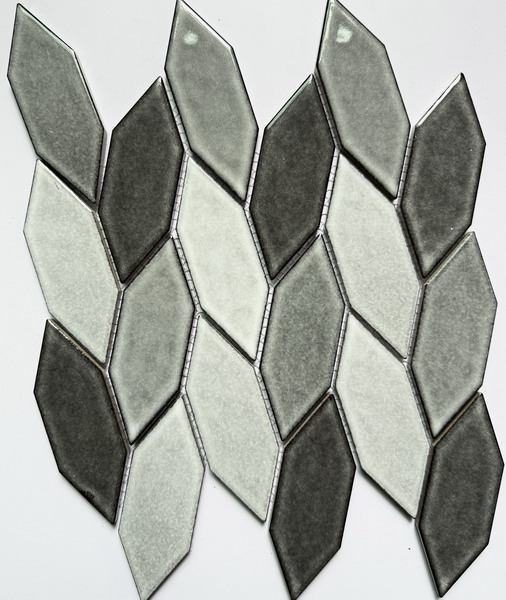
Porcelain mosaic tiles give a unique type of no-slide edge. Their tiny pieces mean more grout spaces. These lines naturally add better footing. That setup works great on shower bases and sloped spots.
Mosaics do call for a bit more grout care. Yet, newer grout types and protectors have eased cleaning worries a lot. For seniors, the extra hold usually tips the scale over the added upkeep.
Matte Ceramic Tiles: Limited but Useful
Guanyu Ceramics’ matte ceramic tiles can fit in spots with little water splash. Think powder rooms or seldom-used guest baths. Still, ceramic tiles soak up more water than porcelain overall. This can harm their staying power in always-damp places. In senior bathrooms, use them with care. Limit them to areas where moisture stays low.
Surface Finishes That Improve Bathroom Safety
The top layer of a tile greatly shapes how it feels to walk on. Shiny finishes look nice, but they turn slick with water. Dull and bumpy layers do far better in bath areas.
Looks like stone or fine bumps work well. They offer hold without scraping skin. Seniors often go barefoot, so this mix of soft feel and sure steps matters a great deal.
Tile Size, Thickness, and Layout Considerations
No-slide quality comes from more than just the tile alone. How you set it up affects things, too.
Take tile size, for instance. Smaller ones tend to give a better footing. That’s because they create more grout paths.
Thickness runs from 8 to 10 mm in most bathroom floor tiles. This gives a solid build without big step-up issues.
For layout, a good tilt toward drains stops water pools. That step proves key for keeping grip solid.
Here’s a basic chart comparing usual bathroom tile styles:
| Tile Type | Typical Size | Slip Performance | Best Use Area |
| Large-format porcelain | 600×600 mm | Moderate (depends on texture) | Dry bathroom zones |
| Textured porcelain | 300×600 mm | High | Main bathroom floors |
| Porcelain mosaic | ≤50×50 mm | Very high | Shower floors |
Where to Use Non-Slip Tiles in a Senior Bathroom
Bathroom sections carry varying slip dangers. Showers demand the top level of no-slide strength. Next come the main walkways and spots by sinks or toilets. Wall tiles focus instead on cleanliness and water resistance. Slip hold matters less there.
Placing anti-slip porcelain tile in key danger spots builds a safer space. It does this without turning the whole room into something plain and basic.
Maintenance and Hygiene for Elderly-Friendly Bathrooms
For seniors, simple upkeep ties into safety. Floors needing harsh scrubs or constant fresh seals might get slippery if skipped. Porcelain tiles win points for fighting stains, mold, and tough cleaners.
A routine wipe with gentle soaps often does the trick. It keeps their no-slide traits intact. This easy-care side aids ongoing safety and ease.
Common Tile Selection Mistakes to Avoid
Many pick tiles just for their look. Glossy ones seem fresh and up-to-date. But they pose risks when wet. Another pitfall involves the floor use of wall tiles. Those aren’t made for steps or grip.
Big tiles with few grout lines can cut down on hold, too. This hits hard in damp areas. Safe planning means fitting the tile to real-life needs.
Balancing Safety, Comfort, and Long-Term Value
A bathroom suited for seniors doesn’t have to seem stark. Today’s non-slip porcelain tile choices bring many styles. They blend safety with a cozy vibe and eye-catching design.
Looking ahead, porcelain tiles deliver great value. Their strength, low water take-up, and wear resistance all help. Items from Guanyu Ceramics made under tight quality and green standards add to their steady performance over the years.
By stressing material strength, top-layer style, and smart setup, owners and planners can craft bathrooms. These spots back safety, self-respect, and ease for seniors. They do so without skimping on fine design work.
Frequently Asked Questions
Q1: Are non-slip porcelain floor tiles really safer than ceramic tiles for seniors?
Yes. Porcelain tiles pack more density and take in less water. This aids steady no-slide action in damp spots. As such, they prove more dependable for senior bathrooms.
Q2: Do anti-slip porcelain tiles feel rough under bare feet?
Top-notch no-slip layers aim to boost hold without harshness. Most bumpy porcelain tiles offer a comfy step for bare feet.
Q3: Are mosaic tiles difficult to clean in senior bathrooms?
They need a touch more work because of the grout paths. However, fresh grout options and good seals cut down on those issues a lot.
Q4: Can non-slip tiles still look modern and stylish?
Yes, for sure. Plenty of no-slip porcelain tiles copy stone, concrete, or wood patterns. All while adding better safety.
Q5: Should large-format tiles be avoided entirely in elderly bathrooms?
No, not always. They suit drier sections fine. But wet areas like showers gain more from small tiles or mosaics with a stronger grip.

our best Product
Product We’re Offering

get in touch
How May We Help You!

our testimonials
What They Say About Our