
News
Non-Slip Shower Floor Tiles: Best Materials, Ratings, and Design Options

Introduction: Why Slip Resistance Matters in Shower Floor Design
Shower floors rank among the riskiest spots in home or business bathrooms. Steady contact with water, soap leftover, and skin oils forms a face quite unlike dry room floors. Building safety reports show that bath slips make up a large part of home falls. This holds true especially in hotels, flats, and homes for older folks.
Wall tiles differ from floor tiles in showers. Shower floor tiles need to mix traction, drainage, durability, and comfort under bare feet. Picking the bad stuff or the top coat can raise the slide danger. This happens even if the tile seems fine at first glance. This piece looks at how the grip against slips functions. It covers which stuff works best. It explains how to read ratings. Plus, it shows how choices in style and setup directly shape shower floor safety.
Understanding Slip Resistance in Shower Floor Tiles and Wet Bathroom Flooring
What Does “Non-Slip” Really Mean for Shower Floor Tiles?
In real use, no tile blocks slip fully. The right word in rules and tests is slip-resistant, not non-slip. A slip-resistant tile cuts the chance of sliding in set conditions. For example, this applies to wet bare feet in showers.
Slip resistance relies on three linked parts:
- Surface feel and tiny bumps
- Water run-off habits
- Touch spot between the foot and the tile
A tile that holds up in dry spots might turn risky when soaked with a water and soap layer. That is why shower floor tiles need checks just for wet barefoot environments. They should not face general room floor tests.
Slip Resistance Standards and Ratings for Shower Floor Tiles
Various score systems appear worldwide to explain slip resistance. The usual ones cover:
| Rating System | Typical Use | What It Measures |
| R9–R13 | Commercial & industrial floors | Slip resistance with footwear |
| COF (Coefficient of Friction) | Residential & public areas | Resistance to sliding |
| Wet Barefoot Testing | Showers, pools, wet rooms | Safety for skin contact |
For shower floors, wet barefoot performance is more relevant than R-ratings. Those ratings fit shoe spots. Many tiles that fit showers use top feel plus grout seams. They do not depend on high COF numbers by themselves.
Best Materials for Non-Slip Shower Floor Tiles in Wet Areas
Porcelain Tiles for Non-Slip Shower Floors: Performance and Durability
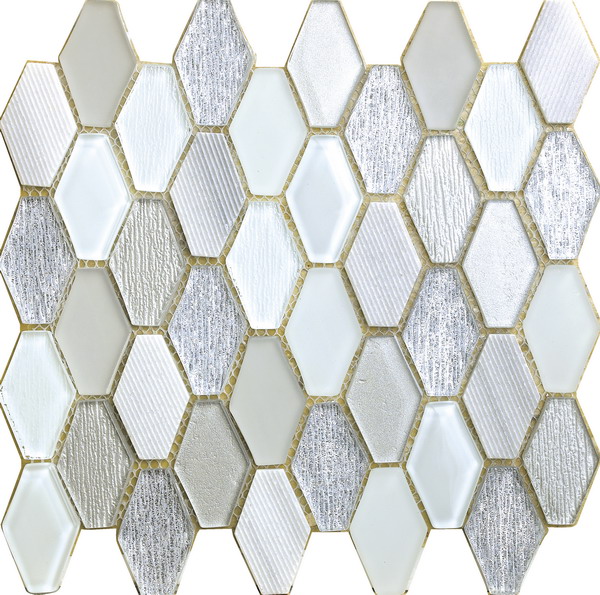
Porcelain tiles count as the most trusted main material for shower floors. Their key trait is very low water absorption. It usually stays at ≤0.5%. This stops inside damp harm and germs.
Rough or dull porcelain tops boost hold. Meanwhile, porcelain mosaic tiles add more safety via extra grout joints. Porcelain brings these benefits too:
- Strong press power
- Great block against chemicals
- Long run under daily water touch
These traits make porcelain mosaics a common sight in hotels, flat buildings, and busy home baths.
Ceramic Tiles for Shower Floors: When Are They Suitable?
Ceramic tiles soak up more water than porcelain. They tend to pack less tightly. Though they work on shower walls, limit them to floors in light residential applications. Pair them only with the right top feel and seal.
In busy or business wet spots, ceramic tiles face more long-term damp wear. Thus, porcelain serves as a better floor choice.
Glass Mosaic Tiles for Shower Floors: Are They Slip-Resistant?
Glass mosaic tiles draw attention for their sight range and shade sharpness. Yet they handle shower floors well if made right. Single glass pieces feel even. But small-format mosaics increase slip resistance through dense grout patterns.
People often use glass mosaic tiles in:
- Walk-in showers
- Wet rooms
- Spa-style bathrooms
Their block against chemicals and tight nature make cleaning simple. Still, the right mortar pick and setup matter to skip peel-off.
Natural Stone and Marble Mosaic Tiles for Shower Floors: Risks and Considerations
Marble mosaic tiles give a top-end look but need close thought. Shine marble slides when wet. It does not fit shower floors. However, tumbled, honed, or textured marble mosaics can offer fair grip against slips.
Main points to watch include:
- Steady seal to stop spots
- More upkeep than porcelain
- Top coat picks over looks
Marble mosaic tiles suit home jobs best where care stays doable.
Mosaic Tiles vs Large-Format Tiles: Which Is Safer for Shower Floors?
Why Mosaic Tiles Offer Better Slip Resistance in Shower Floors
Mosaic tiles hold the top spot as the surest choice for shower floors. Their edge in work comes from:
- More grout lines that lift hold
- Simpler slope built to drains
- Better fit on bumpy bases
Little tiles break water paths on their own. This cuts slick layer build-up.
Can Large-Format Shower Floor Tiles Be Non-Slip?
Big tiles can fit in showers. But only if they show strong surface texture and precise installation. Fewer grout lines cut machine hold. And drain slopes prove tougher to set smoothly.
So, big tiles see more use on shower walls. Mosaics keep their lead for floors.
Design Options for Non-Slip Shower Floor Tiles
Color, Pattern, and Visual Safety
Shade pick goes beyond looks. Pale tiles show water build-up clearly. Dark ones might mask soap bits. This raises slide risk if wipes stay spotty. Layouts like lines or shape mosaics can mark wet parts by sight, too.
Wood-Look and Decorative Non-Slip Shower Floor Tiles
Wood-look mosaic tiles blend wood warmth in views with porcelain water block. Made in mosaic forms with rough tops, they give:
- Better grip against slips
- Sight match with dry bath spots
- Less care than real wood
This draws fans in fresh home baths.
Seamless Design Between Shower Floor and Bathroom Space
Matching tiles for shower floors and nearby areas boosts sight flow. Style pros often pick mosaics for the shower floor. Then they use bigger tiles on walls or dry floors. This weighs safety against low grout views.
Installation Factors That Affect Shower Floor Tile Slip Resistance
The Role of Grout and Joint Width
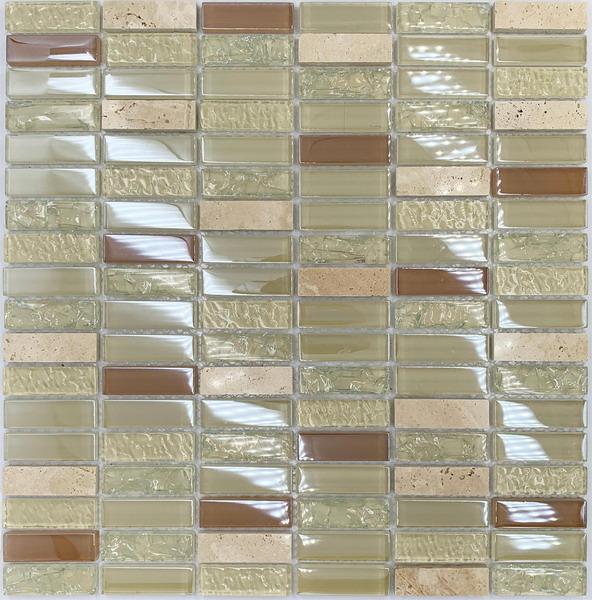
Grout does more than fill sights. It aids grip against slips by raising the face rub. Shower floor mosaics often have narrow but frequent joints. These form a rough walk top.
Choosing the Right Tile Mortar for Shower Floors
Stick choice shapes long safety. Mortars for shower floors must supply:
- Firm joins power
- Block to water and spots
- Fit with glass or porcelain mosaics
The wrong mortar can cause tile shifts or top bumps. These hurt grips against slips.
Drainage, Slopes, and Surface Performance
The top tile fails if water run-off lags. Shower floors demand exact slopes. Water must head to the drain without sitting. Bad slope plans often spark slick spots.
Non-Slip Shower Floor Solutions for Different Projects
Residential Bathrooms
Home showers focus on ease and style. Yet they still need a solid grip against slips. Mosaic porcelain or glass mosaic tiles strike a fine mix of safety and style room.
Hotels, Apartments, and Commercial Projects
Business jobs stress, lasting strength, rule fits, and care speed. Porcelain mosaics get common nods for their long-term and steady work.
Pools, Spas, and Wet Rooms
Non-stop wet touch calls for stuff with firm chemical block and firm grip work. Glass mosaic tiles and porcelain ones see wide use here.
Maintenance and Long-Term Performance
Grip against slips can drop as time passes. This occurs if tiles gain a soap coat or the wrong cleaning agents. Steady wipes with no leftover stuff keep the top feel and hold. Stone mosaics need set resealed to hold work.
How to Choose the Right Non-Slip Shower Floor Tiles for Your Project
A simple pick list covers:
- Fit for wet spot grip against slips
- Stuff water soak level
- Mosaic measure and grout pack
- Set up the system fit
Weighing these parts locks safety without losing style aims.
Conclusion: Balancing Safety, Design, and Durability
Non-slip shower floor tiles lack one key trait. Real work stems from how stuff is picked, top feel, setup, and build quality link. By grasping these ties, style pros, builders, and homeowners can shape shower floors. They stay safe, strong, and sight-pleasing as years go by.
FAQ: Practical Questions About Non-Slip Shower Floor Tiles
Are all textured tiles suitable for shower floors?
No. Feel by itself skips wet bare foot safety. Tile size, grout plan, and water run-off setup need thought too.
Are mosaic tiles always safer than large tiles in showers?
In most cases, yes. Mosaic tiles bring extra grout lines. These lift, hold, and water guide.
Can glass mosaic tiles be slippery in showers?
When set in small forms with good grout gaps, glass mosaic tiles work fine on shower floors. This holds despite even tops.
Do non-slip tiles require special cleaning?
Yes. Build-up of leftover cuts grips against slips. Cleaners that leave no film work best.
Is porcelain better than stone for shower floors?
Porcelain often brings more lasting strength and less care. Stone needs seals and steadier upkeep.

our best Product
Product We’re Offering

get in touch
How May We Help You!

our testimonials
What They Say About Our