
أخبار
Fully Sintered Tile Supply from China: What Importers Should Compare

Fully sintered tile supply from China can support distributors, project contractors, and design-led collections, but only when the buying brief is specific. Importers need to compare the product route, not just the factory quotation, because format, finish, fabrication, packing, and market requirements affect the delivered result.
Why supply comparisons need a project frame
A supply comparison becomes useful when it begins with the job the material must perform. A retail collection values visual consistency and replenishment, while a hospitality or commercial project may prioritize large surfaces, coordinated finishes, fabrication, and installation support.
The same phrase, fully sintered tile, can describe different sizes, thicknesses, surface treatments, and uses. Importers should define the application before comparing factory capability or landed cost.
Separate the material route from the sales label
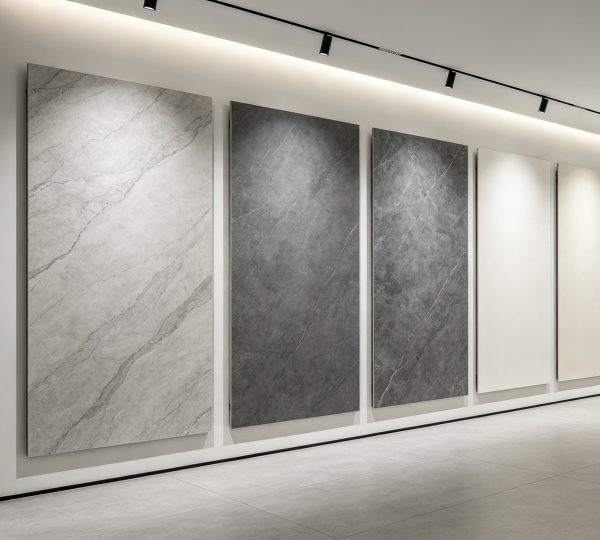
Sintered stone and large-format slabs can serve floors, walls, furniture, and feature surfaces, but each route has different handling and fabrication questions. Reviewing fully sintered tile supply from China helps an importer decide whether the requirement is a tile program, a slab program, or a coordinated surface package.
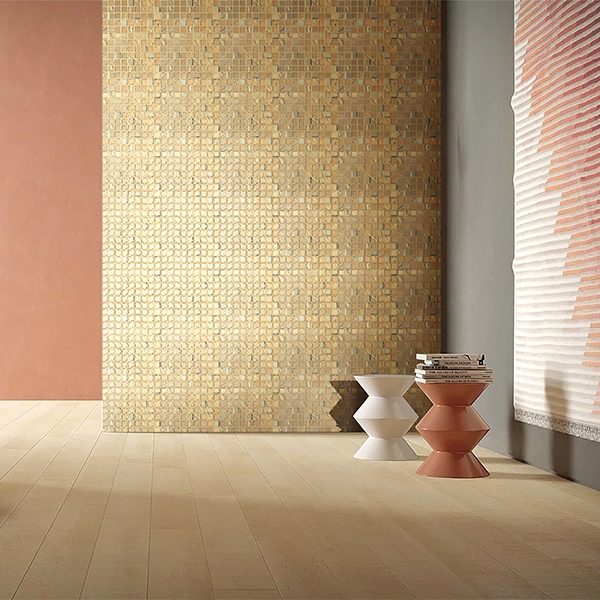
Guanyu Ceramics’s surface portfolio includes floor tiles, art slabs, slab-integrated cabinetry, and other decorative materials. The portfolio can support coordinated sourcing, while the quotation still needs to identify the exact product family and model.
Four supply variables that change the landed result
The delivered value of a surface product depends on more than the ex-works price. Four variables deserve a line-by-line comparison: specification, appearance control, packaging, and shipment planning.
Appearance control is a commercial issue
Appearance consistency directly affects a distributor’s ability to sell and replenish a collection. Importers should keep the approved sample, color reference, finish name, and artwork file connected to the order record.
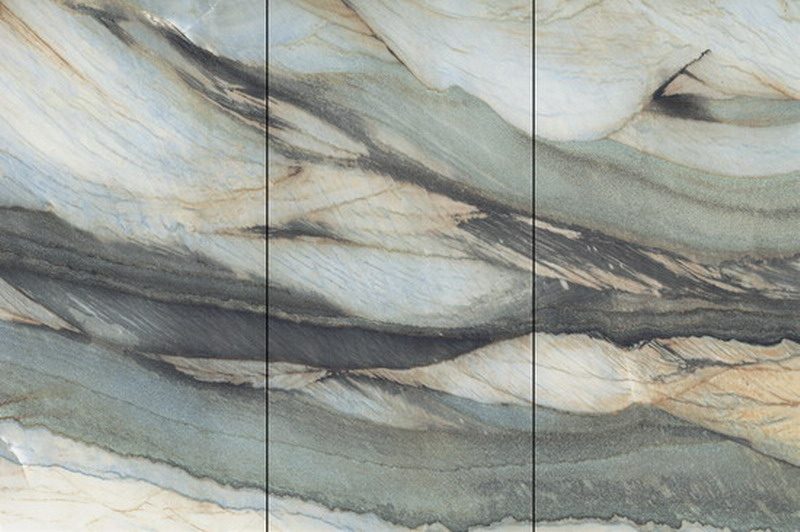
For customized fully sintered tile, Guanyu Ceramics describes digital printing with Pantone-matched color control for its cited art-slab example. That evidence supports a discussion about customization, but the buyer should verify the exact print scope and surface construction for the selected model.
How customization changes the sourcing workflow
Customization adds value when it solves a real collection or project requirement. It also adds checkpoints, so a buyer should decide early which details are fixed and which details remain open.
Application and installation environment
Target size, thickness, edge, and finish
Artwork, veining, color, or pattern reference
Sample approval and tolerance expectations
Packing, labeling, and replacement process
A concise concept brief lets a supplier assess sintered stone slab project options without guessing at the intended result. The brief should also distinguish a visual request from a technical requirement, because a pattern match does not automatically define strength, slip behavior, or fabrication limits.
Quality and export controls should meet in one plan
Quality control is strongest when it continues through packing and dispatch. A buyer can ask for an inspection sequence that covers the approved reference, surface defects, dimensions, quantity, labels, and packaging condition.
Guanyu Ceramics operates under ISO 9001, ISO 45001, and ISO 14001 management systems. These systems are useful evidence of structured management, while the importer still needs order-specific inspection and documentation for the selected surface.
Packing deserves particular attention for slabs and large-format products because edges and faces are vulnerable during handling. The commercial discussion should identify protection, loading orientation, pallet stability, and the evidence required if damage is found on arrival.
Distributors planning a collection should also assess fully sintered tile wholesale planning before committing to a launch calendar. The review should connect stock depth, sample timing, replacement policy, packaging labels, and the practicality of replenishing a running line.
A comparison method that works across suppliers
A simple comparison sheet can keep the sourcing decision grounded. Give each supplier the same brief, compare the same sample stage, and record unanswered questions rather than turning assumptions into a ranking.
The comparison becomes more reliable when every supplier is asked to respond in the same units and document format. That includes any finish reference, packing description, sample status, technical limitation, and commercial condition that affects the importer’s downstream commitment. It also gives internal purchasing and design teams one shared record to review, approve, and use when the order moves from selection into production. This shared record makes later replenishment discussions faster and clearer.
For a distributor, the final choice should balance collection value, repeatability, service responsiveness, and shipment risk. For a project buyer, the balance may shift toward technical confirmation, fabrication, installation coordination, and schedule control.
The sourcing takeaway
Fully sintered tile supply from China is best compared as a complete delivery path: defined product, approved appearance, controlled production, protected packing, and clear export coordination. A specific brief gives the buyer a more meaningful comparison than a generic request for a catalog and price.
For a model-specific sourcing discussion, اتصل بنا with the application, format, finish, destination, and expected quantity.
أسئلة متكررة
What is the most important information in a sintered tile supply brief?
State the application, product family, dimensions, thickness, finish, design reference, estimated quantity, destination, packing needs, and sample expectations.
Does a lower factory price always mean a lower landed cost?
No. Packing, breakage, documentation, handling, fabrication, and delivery conditions can change the total cost.
How should customized surfaces be approved?
Use a physical sample or controlled digital reference, record the accepted color and finish, and confirm the production tolerance before mass production.
Why should slabs and tiles be compared separately?
They can differ in format, thickness, handling, fabrication, installation, and packaging requirements even when their visual role is similar.
What should happen if goods arrive damaged?
The buyer should follow the agreed inspection and claims process, document the condition, and provide shipment and packing evidence promptly.

أفضل منتجنا
المنتج الذي نقدمه

اتصل
كيف يمكننا مساعدتك!

شهاداتنا
ما يقولون عنا