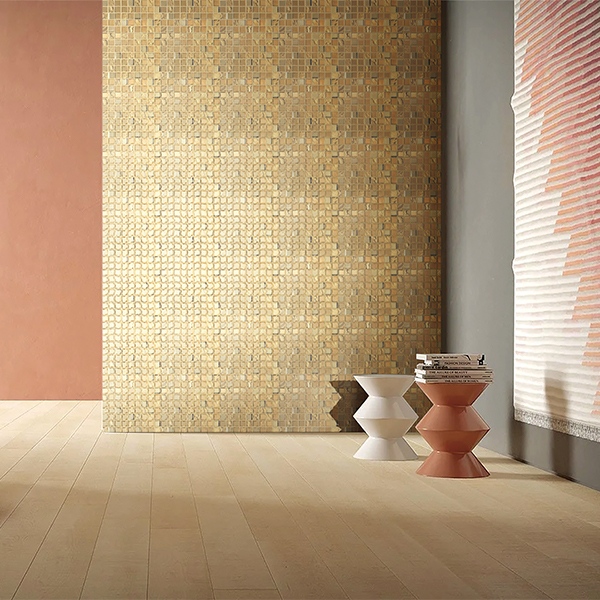
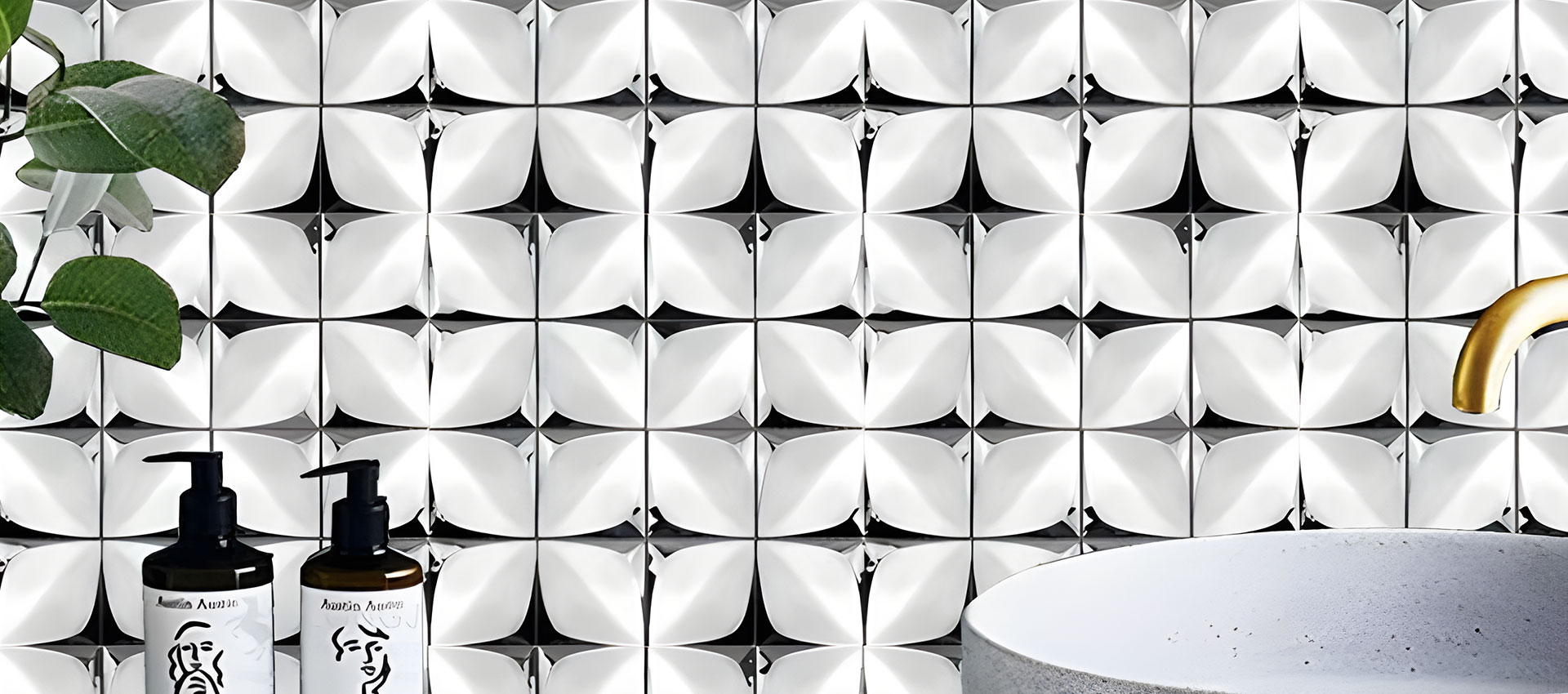
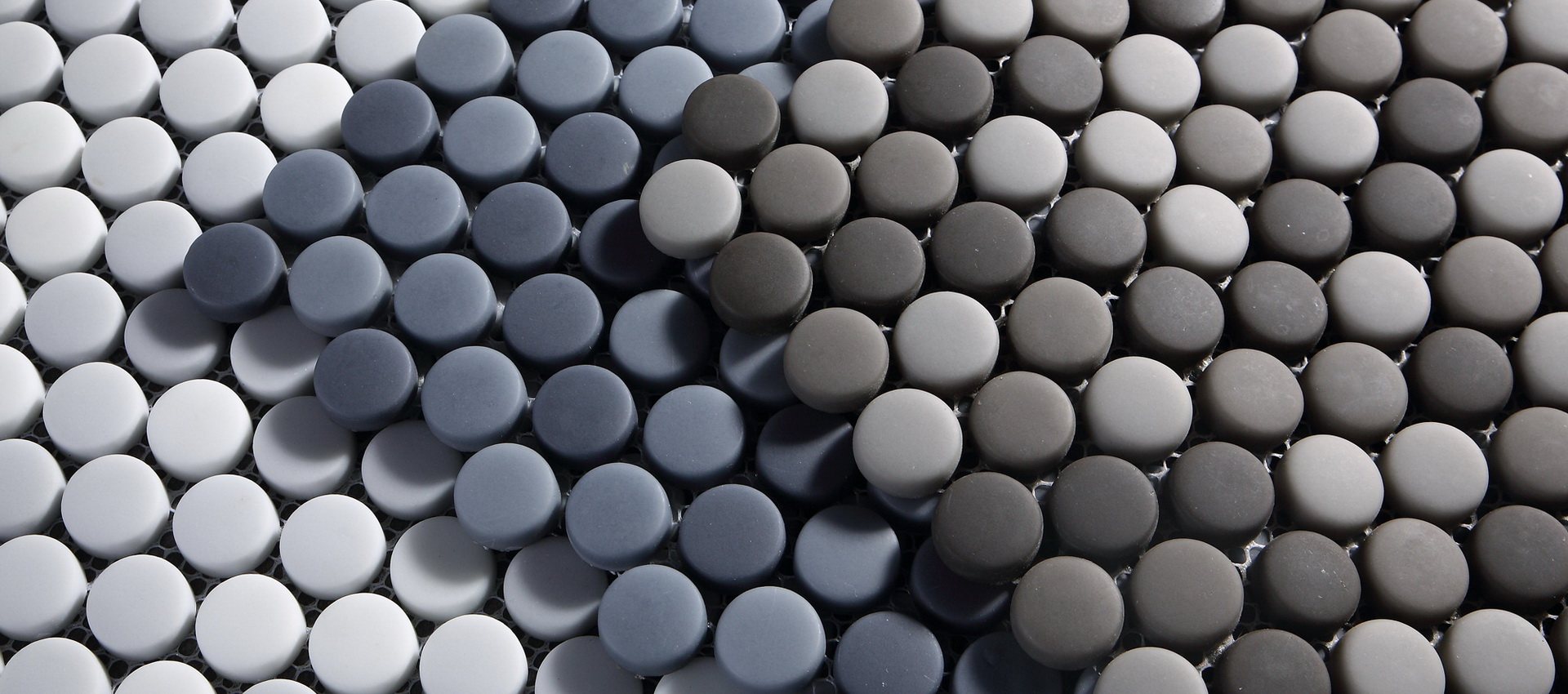
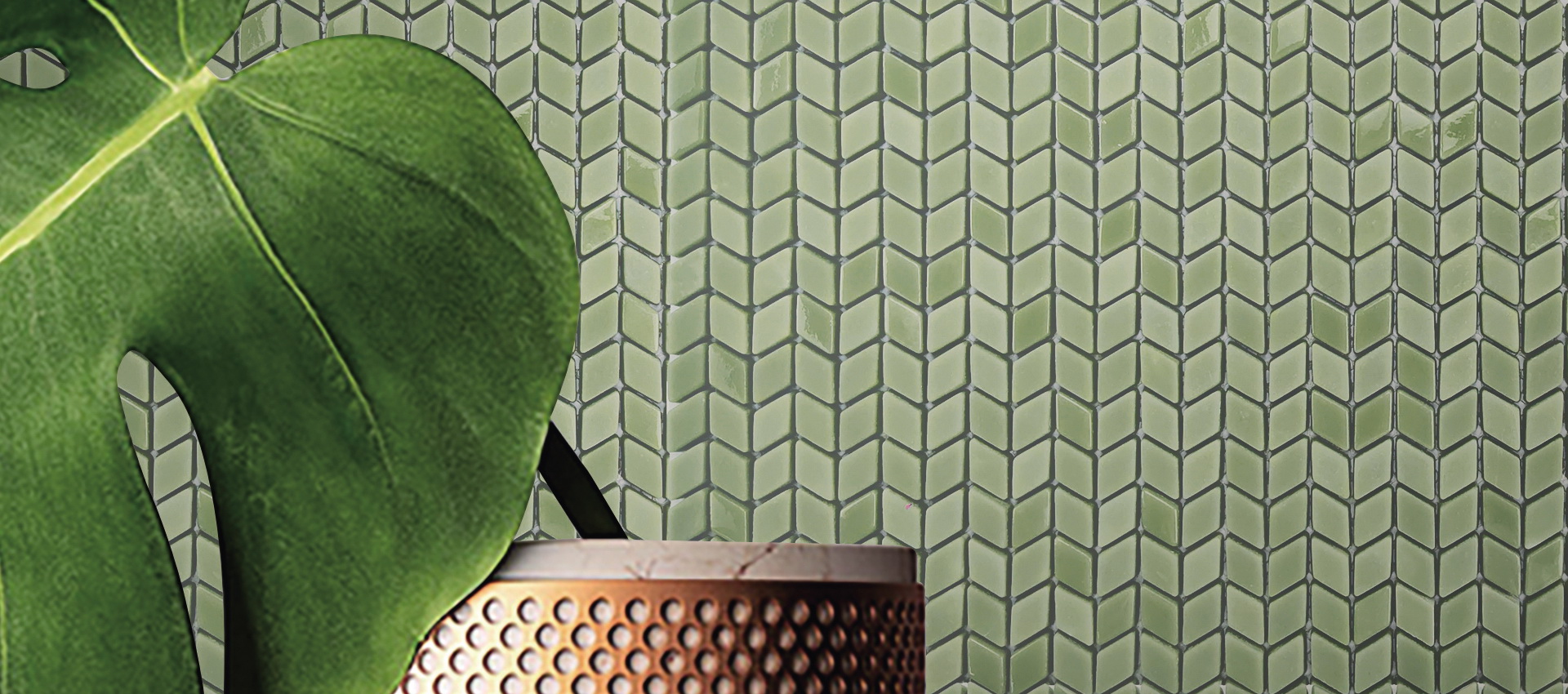
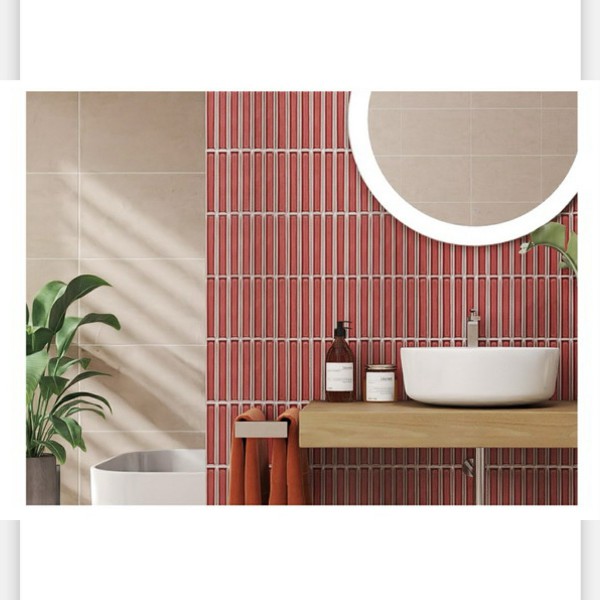
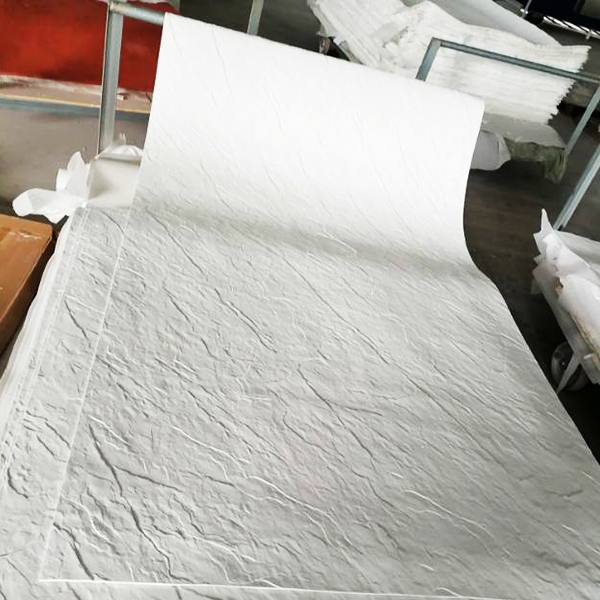
بلاط الفسيفساء الخزفية صعبة بشكل لا يصدق، مقاومة للخدش، وغير مسامية. سهلة التنظيف مع قماش رطب
وصول جديد
-

-
 يتوافق بسلاسة مع الهياكل المنحنية وغير المنتظمة بحد أدنى من نصف قطر الانحناء 12 سم ، وحل تشوه الإجهاد الحراري في المباني المرتفعة.
-
-
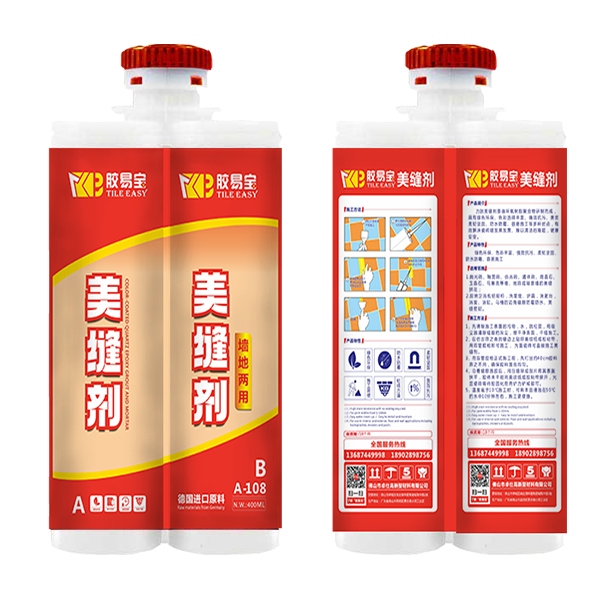
عالية الجودة الفسيفساء والزجاج بلاط الهاون. الالتصاق القوي ، التطبيق السهل ، مقاومة المياه / البقع
فئة

من نحن
فوشان غوانيو التكنولوجيا المحدودة
Foshan Guanyu التكنولوجيا المحدودة تأسست في عام 2001. نركز بشكل رئيسي على استيراد وتصدير البلاط والفسيفساء وغيرها من مواد البناء والديكور. في عام 2005 ، استثمرت الشركة في إنتاج البلاط في فوشان ، الصين ’ قاعدة الإنتاج الرئيسية لبناء السيراميك. العلامة التجارية الرئيسية للتصدير لدينا هي “ Guanyu السيراميك”.
“ الجودة أولا، الثقة هي مفتاح التعاون” هو مبدأ أعمالنا.
Guanyu السيراميك تنتج في المقام الأول البلاط المصقول والفسيفساء الزجاجية. كما نقدم إنتاج OEM من البلاط على الطراز القديم وبلاط الجدران الزجاجي كخطوط منتجات ثانوية. لقد أنشأنا قنوات توزيع في جميع أنحاء العالم ، مما يجعل “ غوانيو” العلامة التجارية الشعبية عالميا. يتم بيع منتجاتنا حاليا في عشرات البلدان والمناطق بما في ذلك جنوب شرق آسيا والشرق الأوسط وإيطاليا والولايات المتحدة الأمريكية والبرازيل وتشيلي وبيرو وكولومبيا والمكسيك وروسيا.
أخبار
-
 Sintered Stone Manufacturers and Brands: A Buyer’s GuideA showroom sample can win approval while leaving the actual slab order poorly defined. If you distribute sintered stone or buy it for contract interiors, a manufacturer’s name is only the beginning. You also need to know which collection the sample represents, what arrives on the pallet, and who will answer a fabrication question. We recommend comparing sintered stone manufacturers and brands through those connections before comparing prices. An attractive finish has little purchasing value until you can order it precisely. What the brand name tells you about the supply chain A brand label on a sample box leaves a practical question unanswered: which factory makes the slab inside? We suggest asking for the factory name and exporter details on the quotation, with responsibility for the order made explicit. Keep those identities beside the product code in your purchasing record. Otherwise, a change of contact can leave your team with photographs and no reliable way to identify a repeat order. Our export brand, Guanyu Ceramics, belongs to Foshan Guanyu Technology Co., Ltd., founded in 2001. Our business includes ceramic tiles and mosaics, with sintered stone and slabs also supplied. When you assess a fully sintered tile company, ask about the collection in front of you. A shared catalogue cover is no reason to assume shared production. Manufacturing ownership alone does not settle suitability. An item code on the quotation gives your fabricator somewhere to begin when requesting cutting instructions. Resolve any mismatch between that code and the sample before signing the order. A useful shortlist compares identified collections A supplier comparison becomes meaningful once each candidate quotes for the same intended work. A dining tabletop, a feature wall and a kitchen island expose different details. Choose your application first, then request the relevant format, finish and edge appearance. A general statement about strength cannot answer whether a particular design will look right after cutting. Our Luxury Marble & Quartzite Collection has a listed normal size of 1200 × 2400 × 9 mm and a micro-crystalline surface. The collection name describes a decorative direction, rather than proving that the material is quarried marble or quartzite. Keep that distinction clear in showroom labels and customer discussions. Our through-body veining full body sintered stone range lists a satin finish and several configurations, including 1600 × 3200 × 12 mm and 1200 × 2600 × 20 mm. These are separate configurations within that range. They do not turn the 9 mm decorative collection into a 20 mm countertop product. The dimensions affect your cutting plan before any performance comparison. A slab measuring 1200 × 2400 mm has a nominal face area of 2.88 m², calculated as 1.2 × 2.4 m. That is gross area. Edge trimming, cutouts and pattern positioning reduce the area you can use, so ask your fabricator to confirm yield from the proposed layout. The cut edge can change your brand decision An exposed edge deserves its own sample approval. A surface photograph cannot establish how colour and veining appear through the slab thickness. For an island end or tabletop, request an offcut showing the proposed edge treatment alongside the face. Bring that offcut to the approval meeting so you can examine the edge beside the face. The phrase through-body becomes useful when you can inspect the cut material. Ask your tile slab supplier to label the offcut with its colour, thickness and edge treatment. You need the selected design here. Another colour from the same brand will leave the edge question open. Vein continuity across adjacent pieces needs a separate layout check. A pattern that works on one panel may not produce the transition your designer expects around a corner. Ask for the slab sequence and proposed cutting positions. Approving those positions gives your fabricator a reference that a small loose sample cannot provide. A repeat order needs more than the original quotation A distributor’s first order creates a reference for later business. Record the collection, product code, nominal dimensions, thickness, finish and approved sample together. Write down how you will inspect the shipment and what variation your buyer has accepted. Use that record for the next purchase, because a colour name leaves too much room for misunderstanding. When comparing fully sintered tile suppliers, your packaging discussion should follow the selected format. Our through-body range lists standard pallet A-frame packing. Your warehouse still needs the shipment-specific packing details. Before booking transport, settle the quantity per package and the unloading method with the people receiving the slabs. Get the handling instructions to that warehouse before dispatch, while there is time to resolve an equipment question. Product claims also need collection-specific evidence. Request applicable test reports and fabrication guidance for the intended use, especially where your project requires a documented classification. A company management certificate does not establish the performance of a particular slab. Keep unsupported catalogue claims out of your own customer specification. A brand decision you can repeat A useful shortlist leaves you with an identifiable slab, an approved edge and a workable order record. Compare price after those details agree. Your project buyer can then approve a defined product. Your purchasing team can retrieve the same reference when a replacement is needed. Tell us where the slab will go, the dimensions you need and the finish you have in mind. Those details give our sintered stone discussion a useful starting point before collection selection. FAQ Is a sintered stone brand always the manufacturer? A brand name alone does not establish factory ownership. Ask for the manufacturing, exporting and contracting roles for the collection you intend to purchase. Should distributors approve only a small face sample? A face sample helps with colour selection. For exposed edges or continuous patterns, add a processed offcut and a proposed slab layout to the approval record. Are all Guanyu sintered stone collections the same thickness? No. The Luxury Marble & Quartzite Collection lists 9 mm, while the through-body range includes other configurations. Confirm the selected product’s dimensions on the quotation. Does nominal slab area equal usable cutting area? No. Nominal area comes from the outside dimensions. Your cutting layout must also allow for trimming, cutouts and the required position of decorative veining. What should accompany a repeat order? Include the original product identification, approved finish and sample reference. Confirm current availability and any changes before assuming the new shipment will match your previous purchase.اقرأ المزيد
-
 Matte vs Polished Glazed Tiles: Use and CareThe polished sample catches your eye first. Does that make it the right choice for a whole hotel corridor, or for the wall beside a basin? We wouldn’t decide from the display alone. Take the matte option into the room as well. Later, give both to the cleaning team for a trial. The View from the Doorway Leave the counter sample and a piece of trim beside the tiles. Then step back to the doorway. Which finish would you want a guest to notice on arrival? That is a different view from the close-up photograph you may have used to build the shortlist. Try another position: below the corridor ceiling spots, for example, then beside the washroom mirror. We are looking at the same tile, but with light coming from different places. It’s worth doing this before carrying a single finish through the whole building. Matte often fades into the room from the doorway. Come closer and the texture takes over. A polished tile announces itself earlier. That is an effect we’d consider for a shaded reception wall, then look at more cautiously beside a bright window. Matte porcelain tiles deserve a hands-on comparison. Pick up the shortlisted samples: does a cloth glide across one but catch on another? We would record which sample has which texture. When the schedule simply says ‘matte’, the cleaning team loses that distinction. Switch the Lights On The phone photo is useful until someone asks, “Is that grey or blue?” Exposure and white balance have changed the answer. Keep the product code in view, but sign off the actual tile. Check the Sample in Its Intended Light Take it to the window around midday. Look again under the showroom lights. Dark matte surfaces can show dust; “matte” also tells you nothing about how much texture a cleaning cloth will catch. Feel the face. After wiping a polished glazed tile, look along its face towards the window. A head-on view can miss a streak that shows from there. Come back when the sample is dry. If the result is disappointing, check the care advice before experimenting with a rougher pad. Daylight is a good second opinion. Wait for the rinse water to disappear. Check floor performance on its own. Bring Housekeeping into the Choice Before the sign-off, pass the samples to housekeeping. The discussion may quickly move from color to a tight corner or a question about the equipment. Good: these are the people who will live with the cleaning routine, and we can still change the selection. Imagine the same finish beside every basin in a guest-room scheme. Even a minor cleaning difficulty would be repeated from room to room. That’s a useful reason to try the grout at the same time as the tile, while changing either is still a sample-stage decision. Try the Daily Wipe-Down Use the proposed cleaner and the tile’s care advice for an ordinary wipe-down. No special treatment for the sample. Once it is dry, look at it again: is this a result your team would be happy to see across the building? The trial helps with that practical question, without replacing laboratory stain testing. Try the shortlisted matte ceramic tiles one texture at a time. We’d keep the cloth and cleaner the same for this comparison, within the care instructions. Record what was used beside the result; a successful trial is much less useful if nobody can repeat it at handover. Comparison Matte Glaze Polished Glaze Light Diffuses direct reflection; inspect shade close up. Creates clearer highlights; check the window and installed lamps. Visible marks Depends on surface texture and color. Streaks and water marks may stand out in reflected light. Cleaning Test the planned cloth and cleaner on the exact tile. A smooth face may wipe easily; inspect it again after drying. Floor use Sheen does not establish traction. Check product evidence for the intended floor conditions. Repeat order Record the approved code, finish, size, and sample. Confirm the same details before ordering each format. Choose Room by Room We would not choose one finish for the restaurant entrance, guest bath, and display wall just to simplify the schedule. Start with the use. Compare looks after that. Picture the polished option on the reception wall, where some reflected light might be welcome. Now picture it next to a screen. We might choose differently there. The bathroom introduces water as well: assess the basin wall and shower wall separately, even when you want the colors to match. The floor discussion needs a different set of information. Put the appearance samples aside and open the performance documents for the shortlisted item. Do those documents address the conditions in your room, including water where relevant? We wouldn’t settle this part of the choice by looking at the sheen. From the Chip to the Wall For the first shortlist, we would stop at two samples, labelled with their codes. Put some grout and the neighbouring finish beside them. Build a larger mock-up only when you need to see a run of tiles to settle the choice. The larger layout has a different job. You want to see the pattern repeat and the joints across several pieces, not simply judge another chip. Leave the original sample beside it. If the larger surface feels busier than expected, this is a useful moment to change the selection. Keep the Choice Clear at Handover The drawing needs more than a note saying ‘grey tile’. Give each finish its code, size, location, and sample reference. Where matte meets polished, draw the junction. That small piece of information saves the installer from having to choose between two similar cartons on site. Pass on the care instructions with the signed selection. For a floor, include the relevant performance evidence as well. The team receiving the delivery should be able to match a carton to a sample and a location without tracking down the person who chose it. If you have a Guanyu Ceramics shortlist, contact us with the sample codes. Include the room drawing and tell us about any cleaning routine you need to keep. Those details give us a useful basis for discussing the finishes. FAQ Are Matte Tiles Easier to Clean Than Polished Tiles? We’d try both before making that claim. Clean a smooth matte sample, a textured matte sample, and the polished option using their permitted routines. Include grout. The dried results will tell you more about the work involved than the sheen labels do. Do Polished Glazed Tiles Show More Marks? Sometimes. On the sample, look for a streak from more than one angle; then move it out of the window light and beneath the proposed lamps. That gives you a much better basis for choosing than the finish name. Are Matte Tiles Always Safer for Floors? No. We’d need the slip-performance evidence for that item and the intended conditions. A dull-looking surface isn’t, by itself, a floor approval. Can Matte and Polished Tiles Be Mixed in One Project? Yes. We’d draw the junction and put the actual edges together while the choice is still open. Two similar colors may come in different thicknesses, and each item still needs its own code and location on the schedule. What Does “Polished Glazed Tile” Mean? It means the glazed face has been polished. There is also polished porcelain without a glaze, which is a different description. For a question about care, we’d start with the actual code on your sample.اقرأ المزيد
-
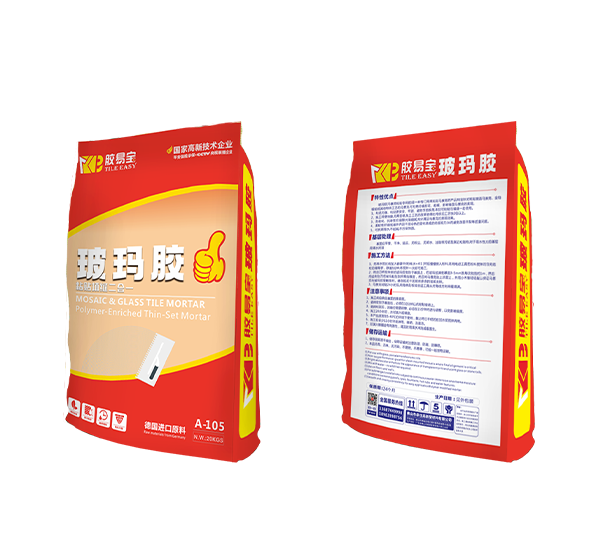
 Sourcing Bathroom Tile Grout from ChinaThe cheaper grout quote may be the right one. First, though, we’d want to know what the price includes. Bag weight is an obvious place to look; the material type and its intended use take a little more reading. Compare those details before calling the difference a saving. The Tile and Joint Define the Enquiry What would help us price your bathroom tile grout? The tile code, a joint detail, and a note about the substrate. Send a photograph as well if you have one. The hidden layer matters here, and it is the detail a finished-room picture is least likely to explain. Think of a hotel bathroom order with several surfaces on it. Put the basin wall on one line and the shower floor on another, because ‘for bathrooms’ leaves us guessing about the exposure. Your destination and approximate quantity belong alongside those lines. At Guanyu Ceramics, our TILE EASY A-105 combines bonding and grouting for tile, mosaic, and glass. That makes it worth discussing when both operations are in the scope. It doesn’t give us grounds to approve an unspecified bathroom assembly, though; send the actual tile and substrate details. Separate Grouts and Combined Mortars How the Combined Product Is Used A bonding and grouting mortar puts both operations into the discussion. Has your installer priced the job on that basis, or allowed for separate materials? We suggest opening the A-105 instructions together before comparing costs. The sequence still matters: spreading, setting, then fully filling the joints. Cement or epoxy? Keep the answer visible on the comparison. If your project specifies one and the quotation offers the other, you have a proposed substitution to review. We wouldn’t hide that change inside a lower price. We’d also query the word ‘universal’. Does it include your glass tile, your substrate, and your joint width? A broad description is no help when the installer needs an answer about one particular surface. Identify the sample by product code. List the tile and substrate together. Check the lot, printed expiry, and bag size before release. A Comparison the Site Team Can Use Read the net weight from the bag. A shower-use claim is a different matter: you need the relevant evidence, and it may not yet be in the file. We would leave that box empty until it arrives. Otherwise the next person reading the comparison may mistake an assumption for an answer. Could you use the comparison during a call without losing your place? We would keep it that short. Give the product code and tile their own space, then put open questions alongside them. Leave the full method in the attachments; the sheet is there to help you decide which offer deserves another discussion. Comparison point Information to request Why it matters Product identity Type, code, revision, package size Ties the offer to the approved product Compatibility Tile, substrate, joint, and exposure Shows whether the product fits the installation Evidence Instructions, safety data, product-specific reports Supports technical and market review Supply Shelf life, batch identification, export packing Helps plan storage and repeat orders Think about who receives this sheet next. Your warehouse needs the storage and expiry information, while the installer will look for mixing, application, and cleanup. Keep the product code on the attachments. Otherwise, after several revised offers, it’s surprisingly easy to have the right report beside the wrong quotation. A-105 Details That Affect the Order How long will the stock sit? With A-105, the listed shelf life is 12 months, and the actual expiry is on the package. Each bag contains 20 kg. The application temperature range is 5–40°C, something to discuss with the site team before a delivery date becomes an installation commitment. A-105 needs a level, dry, solid substrate. Dust, oil, and grease must be removed before application. Go through that requirement with the installer looking at the actual surface; it belongs to this product, not to every material carrying a grout label. The A-105 method calls for an even 1–5 mm spread of mixed material, over about 1 m² at a time. Tile or mosaic is then set and levelled promptly. During grouting, fill the joints completely. Read the current bag instructions before starting; this outline is a useful point for discussion, not the whole installation specification. Cleanup cannot wait until the mortar has cured on the tools: clean them straight after use. Keep moisture and contamination out of the material as well. We’d include both points in the handover to site. Grout Color Beside the Selected Tile A white joint can look quite different surrounded by dark tile. For glass mosaic tiles, we’d make a small grouted panel with several pieces and judge the dried result under the intended lighting. The chart is a starting point. The joint beside your tile is what you are approving. For an overseas review, photograph the dried sample with both codes in view. Keep the real panel. If the photograph looks warmer on one screen, you can go back to the panel before anyone mistakes that difference for a newly approved shade. Retain that panel for the repeat-order discussion. The packing discussion is separate. How many cartons per pallet? Which label language and destination marks? Settle those points with the bag weight, rather than carrying them forward under a vague request for the ‘same color’. Product Papers and Shipment Identity Suppose the bag photo and the quotation carry different codes. We would pause there. Which one will ship? A complete-looking folder doesn’t resolve a mismatch, and the revision date is worth comparing while both documents are open. A management certificate isn’t a grout test. Even when the certificate is valid, your specified performance figure needs evidence for the quoted product. We’d keep that report with the installation sheet and batch details, where it can be checked against the offer. Ask your site team which instruction language is needed. Then confirm what technical and safety paperwork is available for the destination. This is a small enquiry to make during quotation review, and a much less convenient one after delivery. An unusual substrate or joint deserves a specific written answer if it falls outside the instructions. Keep that question against the offer until it is resolved. A looming shipping date doesn’t supply the missing answer. Storage, Delivery, and the Final Order Check the storage space before settling the A-105 quantity. It must be cool, dry, and ventilated, with the bags kept away from heat and moisture. Use the planned installation and applicable coverage guidance for the material calculation, then compare the cost with packing and freight included. A mixing question may come up only once the bags are on site. Who should your installer call? Agree on that before dispatch, and hand over the sample reference with the batch record and instructions. There shouldn’t be a hunt through old quotation emails at that point. Your shortlist of bathroom grout suppliers in China may now be much shorter. Read the remaining offers again. Has the packing changed? Does the price still cover the approved material? A revision can deserve attention even when the total looks familiar. Allow for the sample discussion in your schedule. If you’re still waiting for one answer, say exactly which one. ‘Subject to approval’ is too vague to help the person trying to plan the shipment. For a quotation, contact us with the tile code and joint detail. We’d also like a note of the substrate, the destination, and the surfaces involved. A marked bathroom drawing is useful if the order covers more than one application. FAQ Which Details Belong in a Grout Comparison? Start with material type and the proposed tile. Then make space for the joint, method, packing, and expiry. We’d keep open questions beside the figures, where you can see them during a call. A comparison that hides the uncertainties isn’t ready to support an order. Does Grout Do the Same Job as Tile Adhesive? Usually, one material bonds the tile while another fills the joints. A-105 combines those functions for its stated uses. An ordinary grout shouldn’t be treated as adhesive just because this particular mortar does both. Can One Grout Cover Every Bathroom Tile? No blanket choice from us on that description alone. ‘Bathroom’ could mean the wall above a basin or the floor inside a shower. Tell us about the tile, substrate, and joint, with the position marked, so we can discuss an actual application. Which Documents Should Travel With the Offer? Begin with the technical sheet and applicable safety information. For a performance figure required by your specification, you will also need the product report. We would keep the code visible when filing it with the offer, and include batch and handling details for whoever receives the delivery. How Do You Approve a Grout Shade for a Repeat Order? Use a grouted panel, with the selected tile and both approved references recorded. Keep it for the next order. We would agree how the new batch is to be compared with that panel, using photographs to discuss it rather than to replace the shade reference.اقرأ المزيد
-
دليل بلاط الموزاييك المخصص للديكورات الداخلية التجاريةوافق العميل على عينة الفسيفساء غير المركبة. هل سيبدو نفس التصميم مناسبًا خلف مكتب الاستقبال، كما يُرى من المدخل؟ سنؤجل الطلب المخصص حتى يتأكد فريقكم من ذلك المنظر. حتى العينات الجذابة قد لا تُرضي ذوقكم إذا برزت فواصل الألواح أو غيّرت إضاءة الغرفة اللون. لذا، يُرجى الموافقة على نموذج مُثبّت، حيث تكون هذه التفاصيل واضحة. يتطلب المظهر المخصص مسافة مشاهدة محددة قد تُخفي المسافة التفاصيل التي أعجبتك في العينة. خذ العينة إلى المنضدة، ثم انظر إليها من المدخل. هل ما زلت ترى الزخرفة، أم أنها أصبحت مجرد بقعة لونية؟ سنركز على التفاصيل التي يمكن لزوارك رؤيتها بوضوح. للحصول على أرضية من بلاط الموزاييك المصمم حسب الطلب، حدد فتحات الأبواب على الرسم التخطيطي. أضف التشطيبات المجاورة أيضًا. تخيل إطارًا يمتد بشكل أنيق حول الغرفة، ثم يصل إلى مدخل لا يتسع إلا لجزء من زخرفته. أين يجب أن يتوقف؟ يجب أن يوضح تصميمك هذا الأمر قبل أن يضطر الفني إلى اتخاذ القرار باستخدام أداة القطع. يُعدّ مزيج الألوان المختلف نوعًا من الطلبات الخاصة، بينما تُعدّ الصورة المُجمّعة من قطع منفصلة نوعًا آخر. يُرجى توضيح المقصود في الموجز. فهذه أسئلة إنتاجية مختلفة. تُقدّم شركة غوانيو سيراميكس خدمات تصنيع المعدات الأصلية/تصميم المعدات الأصلية التي تشمل الأحجام والأنماط ومطابقة الألوان؛ لذا يُرجى التأكد من إمكانية تنفيذ ذلك باستخدام المادة التي اخترتها قبل اعتبار التصميم بمثابة مواصفات إنتاجية. تحدد المادة والشكل اللغة البصرية من المهم فحص الإضاءة الساقطة على الفسيفساء قبل اختيار مادتها. نقدم ضمن تشكيلة بلاط الفسيفساء الزجاجي لدينا زجاجًا مُصفّحًا مع طباعة نافثة للحبر. أما بالنسبة للخزف، فتشمل خيارات الأشكال الدوائر والشرائط والأسهم والريش. قد يناسب الزجاج العاكس جدارك، بينما قد يكون النمط الهادئ أنسب للأرضيات. لذا، جرب وضع العينة في المكان الذي ترغب فيه قبل اختيار الألوان. تحتاج أنماط الشرائط إلى وحدات نمطية مع مجموعتنا من شرائط الفسيفساء الخزفية، يصبح اتجاه الخطوط جزءًا من تصميمك. يمكن تكرار الخطوط الأفقية على طول واجهة المنضدة؛ كما يمكن لتغيير الاتجاه تحديد منطقة منفصلة. ارسم نقطة الانعطاف عند الزاوية: هل سيستمر الشريط، أم سيُقطع، أم سينتهي عند حافة؟ في سلسلة فسيفساء غوانيو الخزفية المخططة، يبلغ المقاس المُدرج 296 × 300 مم. ومن بين ألوانها الأخضر الفاتح والأزرق المحيطي والأخضر الداكن. يوفر هذا المقاس لفريقك نموذجًا أوليًا للتخطيط. تأكد من هوامش الوصلات والأبعاد الفعلية للتسليم قبل تثبيت رسم التخطيط؛ فالمقاس الاسمي وحده لا يكفي لتحديد كل قطع محيطي. تظل ملاءمة المواد قرارًا منفصلاً عن المظهر. لا تُثبت صورة الجدار أن فسيفساءه مناسبة لأرضية كثيرة الاستخدام أو منطقة رطبة. لكل موقع مُقترح، اطلب معلومات المنتج ذات الصلة وتأكد من نوع التشطيب ونظام التركيب وظروف الاستخدام. لا تستنتج مقاومة الانزلاق من حجم الرقائق أو عدد الفواصل. يجب أن يكون الجص ضمن الموافقة على اللون جرّب نفس العينات مع لونين مختلفين للجص على لوحة العينات. مع تباين قوي، قد تصبح الفواصل أول ما تلاحظه؛ أما مع تطابق أدق، فقد تبدو العينات متقاربة. سنختار اللون المناسب في ظل إضاءة الغرفة المُخطط لها. أما الفراغات فتترك هذا الجزء من قرار اللون غير محسوم. يتطلب الزجاج الشفاف وشبه الشفاف عناية خاصة لأن الظلال من خلف القطع قد تبقى ظاهرة. تتناول شركة لاتيكريت هذا الأمر في إرشاداتها الخاصة بفسيفساء الزجاج، وتوصي بالتحقق من قبول المنتج على نموذج تجريبي. لذا، يجب أن تحتوي عينتك على مادة التثبيت والجص المقترحين، بدلاً من وضع قطع زجاجية سائبة على خلفية بيضاء مناسبة. يجب أن تتجاوز العينة المركبة حدود الألواح. ضع الألواح جنبًا إلى جنب وانظر على طول خط التقاء الحواف. هل يبرز هذا الخط عن المسافة داخل الألواح؟ إذا كان التصميم يلتف حول سطح الطاولة، فاجعل النموذج الأولي يلتف حوله أيضًا. بعد الموافقة على العينة، يُطرح سؤال عملي: هل يمكن لهذا النمط أن يستمر بشكل مقنع خارج وحدة التغليف؟ يُحافظ الرسم المتكرر على تماسك المجموعة يربط الرسم المتكرر العينة المعتمدة بالتركيب الكامل. حدد اتجاه النمط، وأبعاد التكرار، وموقع أي عنصر زخرفي مميز. عند الجدار المجاور، ارسم نقطة التقاء الخطوط. أضف الأبعاد من الزاوية إلى العنصر الزخرفي، وأسهمًا لتحديد اتجاه اللوح. لا ينبغي على الفني استخراج هذه المعلومات من صورة فوتوغرافية. عند طلب كميات كبيرة من بلاط الموزاييك، قد يكون لديك لوحة مخصصة محاطة بمساحة فارغة. لذا، قم بتخصيص وصف وكمية لكل منهما على حدة. إذا كان تصميم ردهة الاستقبال يتضمن لوحة زخرفية داخل مساحة متكررة، فقم بتسمية المناطق المقابلة على الرسم. وبذلك، يستطيع فريق الاستلام مقارنة الكراتين بجزء محدد من التصميم. لا تزال العينة المادية الموقعة قيد الاستخدام بعد الموافقة. سلمها إلى الأشخاص الذين يفحصون الشحنة، ثم احتفظ بها بجانب مكان التركيب. سجل بجانبها التغييرات التي وافق عليها فريقك. تُعد صورة الهاتف مفيدة لمناقشة التصميم، ولكن تغيير سطوع الشاشة قد يكون غير ضروري.لا ينبغي تغيير مرجع القبول الخاص بك. من يُؤكد الفتحة قبل الإنتاج؟ حدد اسمًا أو دورًا لهذه المهمة في ملخص طلب بيع بلاط الموزاييك بالجملة. قد يكون التشطيب المجاور قد تغير موضعه منذ الرسم الأولي. بالنسبة للصور المخصصة، حتى تعديل بسيط في التصميم قد يُؤدي إلى قطع جزء من التفاصيل المهمة؛ لذا تحقق من المقاسات الحالية قبل تسليم اللوحة. استمر في تطبيق المظهر المعتمد حتى مرحلة التركيب. يربط ملخص الفسيفساء المخصص الناجح بين تصميم الغرفة ورسم متكرر وعينة مُركّبة. بمجرد توافق هذه المراجع، يمكن لقسم المشتريات وصف الدفعة بدقة أكبر، ويمكن للمُركّب تقييم النتيجة بناءً على شيء ملموس. احتفظ بالمراجع المعتمدة معًا طوال فترة التسليم والتركيب. شارك تصميمك والاستخدام المقصود مع شركة غوانيو سيراميكس، بالإضافة إلى تأثير المادة الذي ترغب فيه. عندها يمكننا تحديد خيارات المنتجات المناسبة لعينتك. التعليمات هل يمكن استخدام شكل فسيفسائي موجود لإنشاء تصميم مخصص؟ نعم. قد يكون تغيير موضع اللون أو اتجاه التكرار كافيًا لتصميمك. تحقق من الخيارات المتاحة قبل طلب شكل جديد. هل ينبغي استخدام نفس الفسيفساء في الأرضية والجدار المميز؟ عند مراجعة معلومات المنتج، تعامل مع الأرضية والجدار كتطبيقين منفصلين. إذا كانت الفسيفساء مناسبة لموقع واحد فقط، فاستخدم منتجًا ثانيًا للحصول على نفس الألوان على السطح الآخر. ما مقدار النمط الذي يجب أن تظهره العينة؟ استخدم عددًا كافيًا من الأوراق لإظهار التكرار وحدوده. بالنسبة للشعار، تفحّص تفصيلاً صغيرًا من مسافة ذراع، وتحقق من التصميم الكامل من المكان الذي سيراه منه الزوار. هذا يغطي كلاً من تفاصيل التجميع ووضوح الصورة. هل يمكن تعديل الحدود بعد الموافقة على التصميم الرئيسي؟ نعم. اعرض الحدود المُعدّلة على الرسم قبل الموافقة على إنتاجه. تغيير عرضها يُقلّل من المساحة المركزية أو يُعيدها، لذا تحقّق من موضع القطع الزخرفية والمحيطية. أعد الموافقة على التصميم المتأثر وأي تفاصيل نموذجية طرأت عليها تغييرات. ما الذي يجب أن نحتفظ به لطلبات الاستبدال المستقبلية؟ احتفظ بمعلومات تعريف المنتج، والعينة المعتمدة، ورسم التكرار، وتفاصيل الدفعة. ناقش المواد الاحتياطية مع فريق المشروع؛ ولا ينبغي افتراض أن الطلبية اللاحقة ستطابق الدفعة الأصلية تمامًا.اقرأ المزيد