
أخبار
الفسيفساء مقابل البلاط كبير الحجم: أيهما أكثر أماناً لأرضيات الحمامات؟

مقدمة
يؤثر اختيار بلاط أرضيات الحمامات بشكل مباشر على مخاطر الانزلاق، وتكاليف الصيانة، وأداء السلامة على المدى الطويل في مشاريع إنشاء المناطق الرطبة. بالنسبة للمشترين من الشركات، مثل المقاولين ومطوري الفنادق والموزعين، فإن الاختيار بين بلاط الموزاييك والبلاط كبير الحجم ليس مجرد مسألة شكلية، بل هو مواصفة وظيفية تؤثر على المسؤولية القانونية وتجربة المستخدم. نتناول هذا الموضوع من منظور هندسة المواد وتوريد المشاريع، مع التركيز على نتائج السلامة العملية في التركيبات الحقيقية.
فهم سلامة أرضيات الدش في المشاريع الاحترافية
مقاومة الانزلاق نظام متكامل، وليست خاصية منتج منفردة. في هندسة المناطق الرطبة، تتحدد مقاومة الانزلاق بتفاعل ملمس السطح، وشكل البلاط، وتوزيع الملاط، وتصميم المنحدر، وكفاءة الصرف. لا يضمن البلاط وحده السلامة؛ بل النظام المتكامل هو ما يحدد الأداء.
تُصنّف أرضيات الحمامات ضمن المناطق عالية الخطورة للمشي حافيًا نظرًا للتعرض المستمر للماء، وبقايا الصابون، والحركة المتكررة في اتجاهات مختلفة. في المشاريع التجارية كالفنادق والشقق الفندقية والصالات الرياضية، حتى الانخفاض الطفيف في ثبات الأرضية قد يؤدي إلى زيادة تكاليف الصيانة واحتمالية رفع دعاوى السلامة.
على الصعيد الدولي، غالباً ما يتم تقييم مقاومة الانزلاق باستخدام معايير معامل الاحتكاك الديناميكي (DCOF) للأرضيات الصلبة. ومع ذلك، فإن الأداء الفعلي يعتمد بشكل كبير على جودة التركيب وتوزيع المواد.
لماذا تُستخدم بلاطات الموزاييك بشكل شائع في أرضيات الحمامات؟
تحسين تجزئة السطح من سلوك الجر والتصريف
تُستخدم أنظمة الفسيفساء على نطاق واسع في بناء أرضيات الحمامات لأنها تزيد بشكل طبيعي من تقسيم السطح. كل قطعة بلاط صغيرة تُحدث فواصل بين البلاط، مما يكسر طبقات الماء المتصلة ويحسن الاحتكاك تحت القدم.
تُعد هذه الميزة الهيكلية مهمة بشكل خاص في قواعد الدش المدمجة حيث تكون زوايا الميل ضيقة، ويجب التحكم في الصرف بدقة.
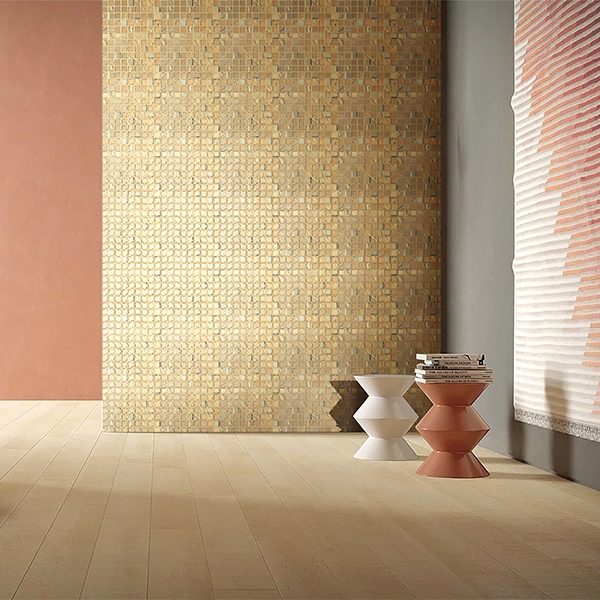
نحن نوفر أنظمة فسيفساء البورسلين تحت Guanyu السيراميكصُممت هذه الألواح الخزفية الفسيفسائية (296×300 مم) خصيصًا للبيئات الرطبة والزخرفية، وتتميز بنسبة امتصاص للماء لا تتجاوز 0.5%، مما يضمن أداءً مستقرًا في البيئات ذات الرطوبة العالية.
تساهم كثافة هذه المادة في ضمان أداء ثابت في حالات الاستخدام التجاري على المدى الطويل.
المزايا الوظيفية الرئيسية لأرضيات حمامات الفسيفساء
*زيادة عدد فواصل الترويب تزيد من نقاط الاحتكاك الدقيقة
*سهولة التكيف مع أحواض الاستحمام المائلة أو المنحنية
*توزيع أفضل للصرف عبر المناطق الرطبة الصغيرة
*انخفاض خطر تراكم المياه الراكدة في الزوايا
*تركيب أكثر مرونة في مشاريع التجديد
ولهذا السبب يحدد معظم المقاولين بلاط أرضيات الدش الموزاييكي غير القابل للانزلاق لحمامات الفنادق والحمامات المنزلية الصغيرة.
تُستخدم الفسيفساء على نطاق واسع في تخطيط التصميم أيضًا أفكار لتصميم أرضية دش الحمام حيث يجب تحقيق التوازن بين السلامة والمرونة الجمالية.

الملاط كمكون للسلامة الوظيفية
أكثر من مجرد ملء الفراغات: يحدد الملاط سلوك الانزلاق في العالم الحقيقي
في أنظمة أرضيات الحمامات، يعتبر الجص مادة وظيفية، وليس تفصيلاً ثانوياً. فهو يؤثر بشكل مباشر على مستويات الاحتكاك، وتصريف المياه، ومتطلبات الصيانة على المدى الطويل.
تساهم فواصل الترويب في مقاومة الانزلاق من خلال:
*قطع تكوين طبقة الماء المستمرة
*زيادة خشونة السطح تحت القدم
*دعم انتقال المنحدر حول المصارف
*تقليل تأثير الانزلاق المائي في المياه الراكدة
ومع ذلك، فإن زيادة كثافة الجص تفرض أيضًا مسؤوليات تشغيلية على مديري المرافق، بما في ذلك دورات التنظيف والتحكم في مقاومة البقع.
توفر شركة Guanyu Ceramics مونة TILE EASY لبلاط الموزاييك والزجاج (A-105)، المصممة لتطبيقات الربط والتجصيص مع ميزات مقاومة الماء والبقع المناسبة لأنظمة التركيب في المناطق الرطبة.
بالنسبة لفرق المشتريات، يجب التعامل مع اختيار مادة الحشو كجزء من مواصفات النظام، وليس كخطوة تشطيب منفصلة.
البلاط ذو الحجم الكبير في المناطق الرطبة: حدود الأداء
يجب تحقيق التوازن بين الاستمرارية البصرية وهندسة السلامة
تُستخدم البلاطات كبيرة الحجم على نطاق واسع في العمارة الحديثة نظرًا لخطوط الترويب القليلة ومظهرها الأنيق. مع ذلك، في أرضيات الحمامات، يعتمد أداؤها بشكل كبير على دقة التركيب ومعالجة السطح.
تقلل البلاطات الكبيرة من فواصل الترويب، مما قد يحد من نقاط الاحتكاك الطبيعية. ونتيجة لذلك، يصبح مقاومة الانزلاق أكثر اعتمادًا على تشطيب السطح بدلاً من التقسيم الهيكلي.
نقدم أنظمة ألواح كبيرة الحجم تحت اسم Guanyu Ceramics، بما في ذلك ألواح 1200×1200 مم مصممة للجدران والأسطح المعمارية ذات امتصاص منخفض للماء ومقاومة للبقع.
تم تحسين هذه المنتجات من أجل:
جدران الحمام
*الجدران المميزة
ردهات الفنادق
أرضيات المناطق الجافة
أما بالنسبة لأرضيات الحمامات، فيجب على الفرق الهندسية التحقق بعناية من تصميم المنحدر ومعدل الانزلاق قبل الموافقة.
ولهذا السبب تتجنب العديد من المشاريع استخدام الأنظمة ذات الأحجام الكبيرة كمواد افتراضية للأرضيات المبللة.
بلاط الأرضيات الكبير غير القابل للانزلاق: متى يكون مقبولاً
يتطلب الاستخدام المشروط التحقق من الامتثال الفني
لا يمكن استخدام البلاط ذي الحجم الكبير في المناطق الرطبة إلا عند استيفاء شروط فنية متعددة:
*معدل مقاومة الانزلاق المعتمد للمناطق الرطبة التي يمكن المشي فيها حافي القدمين
مواصفات سطح غير مصقول ومحكم
*تصميم منحدر تصريف مُتحكم به (بدون تجمع المياه)
تركيب احترافي باستخدام أنظمة التسوية
*معتمد للعزل المائي ودمج الملاط
بدون هذه الضوابط، يزداد الخطر بشكل كبير في قطاع الضيافة والبيئات ذات الحركة المرورية العالية.
يُعد هذا الأمر ذا أهمية خاصة عند اختيار بلاط الأرضيات الكبير غير القابل للانزلاق للمشاريع التجارية حيث يجب تقليل المسؤولية على المدى الطويل.

مقارنة هندسية بين بلاط الموزاييك والبلاط كبير الحجم لأرضيات الحمامات
| عامل التقييم | بلاط الموزاييك | بلاط كبير الحجم |
| إمكانية مقاومة الانزلاق | ارتفاع النسبة بسبب كثافة فواصل الملاط | متوسط، يعتمد على ملمس السطح |
| قابلية التكيف مع نظام الصرف | مثالية لقواعد الدش الصغيرة | محدود في المنحدرات المعقدة |
| مرونة التركيب | عالية | متوسط إلى منخفض |
| جهود الصيانة | ارتفاع الطلب على تنظيف فواصل البلاط | صيانة أقل للجص |
| الاستمرارية البصرية | نسيج مجزأ | مظهر عصري سلس |
| أفضل تطبيق | أرضيات الحمامات، غرف الاستحمام الرطبة | الجدران، والأرضيات الجافة، والمناطق المميزة |
من منظور التحكم في مخاطر المشروع، توفر الفسيفساء أداءً أكثر استقرارًا في الظروف الرطبة غير المتوقعة، بينما تعطي البلاطات ذات الحجم الكبير الأولوية لكفاءة التصميم البصري.
استراتيجية منع الانزلاق لمشاريع المناطق الرطبة
ينبغي أن يتبع الاختيار منطق تقسيم المناطق الوظيفي
في تخطيط البناء بين الشركات، ينبغي أن يتبع اختيار البلاط نهجًا قائمًا على تقسيم المناطق بدلاً من استراتيجية استخدام مادة واحدة.
منطق التطبيق الموصى به:
أرضيات الحمامات ← أنظمة الفسيفساء
جدران الدش ← بلاط كبير الحجم
*الحمامات الرطبة ← فسيفساء مانعة للانزلاق أو بلاط صغير الحجم ذو ملمس مميز
*مناطق الحمام الجافة → بلاط كبير الحجم
بالنسبة لأنظمة الحمامات الرطبة، بلاط أرضيات فسيفسائي مانع للانزلاق للغرف الرطبة لا تزال هذه الحلول الأكثر استخدامًا نظرًا لتوازنها بين السلامة وأداء الصرف.
ينبغي على المقاولين دائماً التحقق من صحة بيانات مقاومة الانزلاق قبل الموافقة بدلاً من الاعتماد فقط على الملمس المرئي.
قائمة التحقق من المشتريات لمشتري الشركات
تبدأ إدارة المخاطر في مرحلة تحديد المواصفات
قبل الموافقة على مواد تركيب أرضية الدش، يجب على فرق المشتريات التأكد مما يلي:
*تصنيف مقاومة الانزلاق (تصنيف المشي حافي القدمين على أرضية مبللة)
*مدى ملاءمة شكل البلاط لتصميم المنحدرات
*توافق نظام الترويب
*نوع السطح النهائي (مطفي مقابل مصقول)
*معدل امتصاص الماء للمادة
*امتثال نظام التركيب
*متطلبات الصيانة للمستخدمين النهائيين
تدعم شركة غوانيو للسيراميك خدمات التوريد الأصلية (OEM) وخدمات التصميم والتصنيع الأصلية (ODM) وتوفير وثائق التصدير الموحدة لعمليات الشراء في المشاريع العالمية. يمكن للمشترين طلب ذلك. الاستشارات الفنية أو دعم عروض الأسعار مباشرة.
كيف تدعم شركة غوانيو للسيراميك توريد مشاريع المناطق الرطبة
نظام مواد متكامل لمشاريع الأعمال التجارية العالمية (B2B)
تُقدّم شركة غوانيو سيراميكس مجموعة متكاملة من مواد البناء، تشمل بلاط السيراميك، والفسيفساء الخزفية، والألواح، ومواد الزينة. وبفضل أنظمة الجودة المعتمدة بشهادة ISO وخبرتنا العالمية في التوزيع، ندعم المقاولين والموزعين في عمليات شراء موحدة عبر مناطق متعددة.
لا يقتصر تركيزنا على توريد المنتجات فحسب، بل يشمل أيضًا توافق الأنظمة عبر:
أنظمة الأرضيات للمناطق الرطبة
حلول الجدران والواجهات
*التصميمات الداخلية للضيافة التجارية
*تطويرات الحمامات السكنية
يقلل هذا النهج المتكامل من تشتت مصادر التوريد ويحسن من اتساق المشروع.
الخلاصة: السلامة أولاً، ثم التصميم ثانياً في أرضيات الحمامات
لا تزال بلاطات الموزاييك الخيار الأمثل لأرضيات الحمامات بفضل مقاومتها العالية للانزلاق وقدرتها الفائقة على تصريف المياه. تُضفي البلاطات كبيرة الحجم قيمة معمارية مميزة، ولكنها تتطلب دراسة فنية دقيقة قبل استخدامها في الأرضيات المبللة.
بالنسبة للمشترين من الشركات، فإن القرار الصحيح لا يعتمد على المظهر، بل على الأداء الهندسي، وظروف التركيب، والتحكم في مخاطر دورة الحياة.
إذا كنت تخطط لمشروع أو تُقيّم أنظمة بلاط المناطق الرطبة، يمكنك طلب الدعم الفني أو تحليل عروض الأسعار مباشرةً من خلال شركة غوانيو سيراميكس. غالبًا ما يُقلل التوافق المبكر للمواصفات من مخاطر التركيب والصيانة اللاحقة بشكل كبير.
أسئلة متكررة
ما الذي يجعل بلاط الموزاييك أكثر أماناً لأرضيات الحمامات؟
تُحسّن بلاطات الموزاييك مقاومة الانزلاق بفضل كثافة الملاط وتقسيم السطح. كما تُوفّر أنظمة الموزاييك نقاط احتكاك أكثر وتُحسّن تصريف المياه، مما يجعلها شائعة الاستخدام في أرضيات الحمامات الرطبة وغرف الاستحمام.
هل البلاط ذو الحجم الكبير مناسب لأرضيات الحمامات؟
يُسمح باستخدام البلاط كبير الحجم فقط في ظل شروط تركيب صارمة وشروط مقاومة انزلاق دقيقة. ويمكن استخدامه إذا استوفى معايير مقاومة الانزلاق في المناطق الرطبة، وتم تركيبه مع مراعاة الميل المناسب ونظام تصريف المياه. وإلا، فإنه يُفضل استخدامه في الجدران والمناطق الجافة.
ما هي أفضل أنواع بلاط أرضيات الحمامات غير القابلة للانزلاق للمشاريع التجارية؟
تُعد الفسيفساء الخزفية الحل الأكثر شيوعاً. تُعد بلاطات الفسيفساء الخزفية عادةً أفضل أنواع بلاط أرضيات الدش المقاومة للانزلاق في التطبيقات التجارية، وذلك بفضل توازنها بين السلامة والمتانة ومرونة التركيب.
هل يمكن استبدال بلاط الأرضيات الكبير غير القابل للانزلاق بالفسيفساء في الحمامات؟
يُستخدم هذا النظام فقط في الأنظمة الهندسية التي تتمتع ببيانات أداء موثقة. حتى عند استخدام بلاط أرضيات كبير مانع للانزلاق، يجب على فرق المشروع التأكد من تصنيفات مقاومة الانزلاق، وملمس السطح، وتصميم الصرف قبل الموافقة.
ما هي أفكار تصميم أرضيات حمامات الدش للفنادق والمشاريع السكنية؟
يُعدّ تصميم المناطق المختلطة النهج الأمثل. ومن الاستراتيجيات الشائعة استخدام الفسيفساء لأرضيات الحمامات، والبلاط كبير الحجم للجدران، والألواح للمناطق المميزة، وذلك لتحقيق التوازن بين السلامة والتكلفة وتناسق التصميم.

أفضل منتجنا
المنتج الذي نقدمه

اتصل
كيف يمكننا مساعدتك!

شهاداتنا
ما يقولون عنا