
أخبار
Sintered Stone Countertops: A Guide to Selection, Fabrication, and Procurement

Countertops in trade projects carry more risk than their clean drawings suggest. They face heat, stains, edge impacts, cleaning chemicals, hardware cutouts, and tight installation dates. A material that looks impressive but chips during fabrication or varies across repeat orders can slow the whole fit-out. Sintered stone countertops give buyers a practical way to balance design value with project control, but material performance is only the starting point. Surface selection, drawing review, fabrication planning, packaging, and batch records must work together to produce an installation-ready result.
Countertop Projects Need Material and Fabrication Control
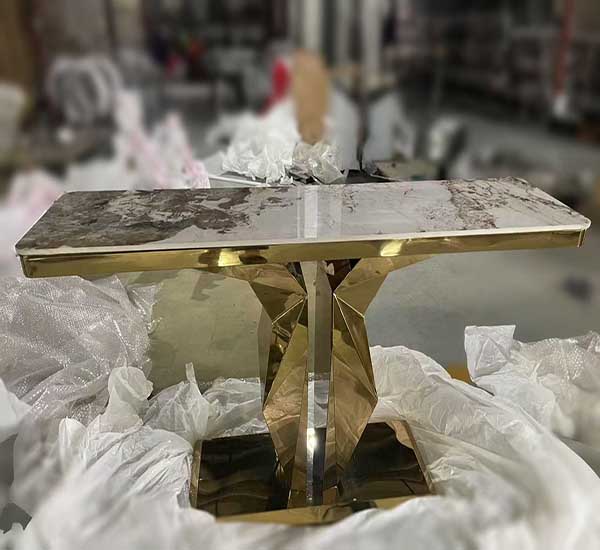
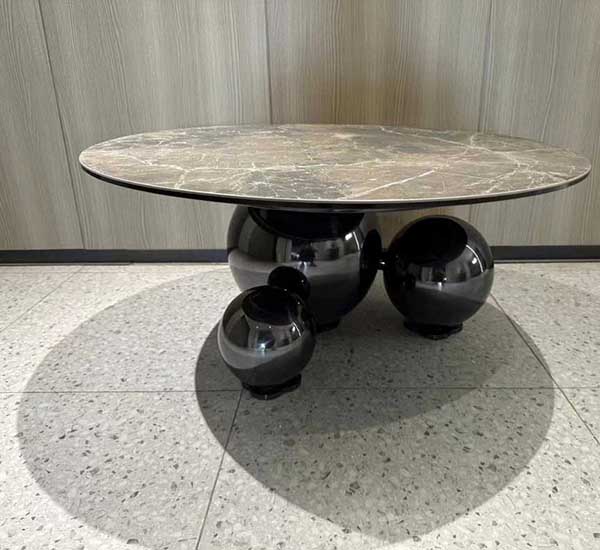
A countertop is both a visible design element and a daily work surface. In apartment kitchens, hospitality suites, retail counters, and showroom islands, the buyer has to think about appearance, cleaning, edge detail, and replacement planning at the same time. Guanyu Ceramics sintered stone furniture surfaces provide a useful reference for coordinating table tops and kitchen tops that face many of the same durability and fabrication questions.
Heat, stains, and daily cleaning
Surface performance matters because counters are used harder than decorative walls. At Guanyu Ceramics, we supply sintered stone options positioned around scratch, stain, and heat resistance for applications such as kitchens, bathrooms, statement counters, and feature walls. Before mass approval, we help buyers match these performance requirements to the exact slab, finish, and intended project use.
Edges, holes, and transport risk
Fabrication risk matters because countertop failure often begins at weak details. Sink openings, hob cutouts, faucet holes, mitered edges, and long overhangs must be planned before packing. A stable slab is only one part of the result; confirmed cutting drawings, crate protection, and on-site handling rules decide whether the surface arrives ready for installation.
Schedule risk also matters because countertops are installed late in many interior programs. If one vanity top or island panel arrives with the wrong opening, other trades may be forced to wait. We therefore work with buyers to freeze drawings before fabrication and confirm how each packed piece will be identified on site.
| Countertop use | Main concern | Approval focus |
| Kitchen island | Heat, stains, and edge impact | Finish sample and cutout drawings |
| Bathroom vanity | Water, cosmetics, and cleaning | Sealed details and splash planning |
| Retail display counter | Close viewing and repeat contact | Pattern consistency and edge finish |
Where Sintered Stone Fits in Specifications
Specification teams should define the application before comparing surface materials. Sintered stone can imitate marble, quartzite, wood, or ceramic looks while giving designers a more controlled manufactured surface. When buyers review our tiles and slabs product range, we help them assess whether the selected format, finish, and fabrication plan match the countertop’s real use.
Kitchen tops and service counters
Kitchen tops need more than decorative impact because food, heat, liquids, and routine wiping expose weak surfaces quickly. Sintered stone is often considered where the buyer wants a stone look without relying on natural stone selection for every unit. For bulk programs, we focus the approval process on repeatable finish, practical cleaning, and consistent packing.
Vanities and display surfaces
Bathroom vanities and retail display counters create different pressure points. Vanities need careful splash, joint, and edge planning. Display counters need pattern control because customers inspect them closely. In both cases, we ask buyers to confirm the selected slab image, surface feel, and fabrication tolerance before we approve production.
Procurement Details That Prevent Rework
Countertop procurement becomes smoother when buyers separate design approval from production approval. A rendering may show the right mood, but it cannot confirm edge quality, sample color, surface feel, or crate protection. We use a practical approval file to review the requirements before production and reduce disputes when the project moves from quotation to delivery.
- Send measured drawings with sink, hob, faucet, and joint positions.
- Define edge profiles, overhangs, backsplash height, and visible ends.
- Approve physical samples under the project’s actual lighting.
- Confirm carton or crate labels so installers can identify each piece.
- Confirm batch-control requirements and retain approved sample records for repeat orders or repairs. Where visual continuity is critical, order spare pieces with the original production batch.
After receiving these details, we can review the requested dimensions, openings, edge treatments, piece references, and packing requirements before fabrication. This creates a clearer connection between the buyer’s approved drawings and the components delivered to the site.
How Guanyu Ceramics Support Countertop Programs
Trade buyers often need countertops to coordinate with wall slabs, tiles, mosaics, and furniture surfaces across the same project. We supply tiles, mosaics, furniture, and sintered stone or slabs through an export-oriented product system. With business experience dating back to 2001 and production investment in Foshan since 2005, Guanyu Ceramics coordinates multiple decorative material categories for hotels, apartments, retail interiors, and distributor programs.
Customization can also matter when a countertop program needs more than standard color selection. We support OEM and ODM work, including custom sizes, patterns, and color matching according to confirmed project requirements. We also coordinate fabrication details, piece identification, and related surface selections where applicable. This capability helps buyers connect countertop designs with a broader one-stop decoration material supply plan.
استنتاج for Buyers
Sintered stone countertops are strongest as a project choice when the buyer and supplier control the full path together: surface selection, sample approval, fabrication drawings, edge details, packaging, and repeat-order records. The material can support refined kitchen tops, vanities, and commercial counters, but the final result depends on disciplined specification and supplier review before production begins.
The most reliable orders treat the countertop as a finished component, not only a slab purchase. We review the visible surface and the hidden project details with the buyer: support, openings, edge treatment, labels, and the records needed to manage later replacement pieces against the original approval.
For countertop programs that must coordinate with slabs, tiles, mosaics, or furniture surfaces, contact Guanyu Ceramics with drawings, target applications, finish needs, and delivery expectations.
أسئلة متكررة
Are sintered stone countertops suitable for kitchens?
Sintered stone countertops can be suitable for kitchens when the selected slab, finish, fabrication plan, and installation method match the project. Buyers should confirm heat, stain, edge, and cleaning expectations before production.
What is the difference between a slab and a finished countertop?
A slab is the raw surface panel used for fabrication. A finished countertop includes cutting, edge work, openings, packing, and installation planning. Buyers should quote both the material and the fabrication requirements.
Can sintered stone be used for bathroom vanities?
Sintered stone can be used for bathroom vanities when water exposure, splash details, edges, and cleaning routines are considered. The specification should also account for sink openings and visible joint positions.
What drawings should buyers send before ordering?
Buyers should send measured plans, elevations when useful, cutout positions, edge profiles, overhangs, backsplash details, quantities, and project deadlines. Clear drawings reduce fabrication and packing errors.
How can distributors present countertop samples?
Distributors can present countertop samples by showing the surface pattern, edge options, finish feel, and matching wall or floor materials. A clear sample file helps customers understand both design and performance.

أفضل منتجنا
المنتج الذي نقدمه

اتصل
كيف يمكننا مساعدتك!

شهاداتنا
ما يقولون عنا