News
Growing Environmental Standards in Global Tile Procurement
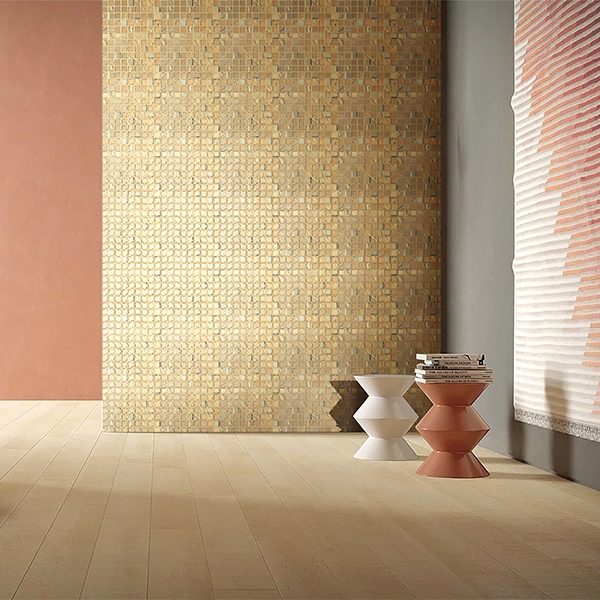
Global buying plans for building surfaces keep changing. This change comes as environmental rules tighten and targets to cut carbon emissions around the world. Developers, architects, and B2B buyers from many countries no longer judge surface materials only by looks and price. They now treat sustainability as a must-have point. Projects for business and homes often need to meet strict green building rules. Choosing certified materials helps win approval and keeps the project viable in the market.
At Guanyu Ceramics, we have spent more than twenty years keeping pace with these changes. We started in 2001 and built our lines to supply ceramic tiles, porcelain mosaic stripes, and flexible stone that meet the toughest eco rules in design work today.
The Rising Demand for Eco-Friendly Mosaic Tiles
Building codes and caps on emissions grow stricter each year. This shift affects how the construction and design fields work. Architects now pick materials with lower carbon in their makeup and with clear plans for reuse at the end of life.
The change pushes demand for low-emission surfaces in busy areas. Buyers avoid items made with old high-pollution steps or with harmful binders. Low-VOC and zero-emission finishes have become required for indoor work so that they do not harm air quality.
Using eco-friendly mosaic tiles meets these rules and helps teams earn credits in systems such as LEED or BREEAM. The tiles give a tough, stable surface that does not release gases or break down under strong cleaners. Picking verified green choices lets developers meet both short-term needs and long-term green goals.
Demand for these options grows fast in hotels, offices, and high-end homes. Busy hotel lobbies, retail walls, and modern homes all need surfaces that look strong yet stay responsible.

Why Chinese Manufacturers Lead the Global Mosaic Tile Market
China holds the top spot in mosaic tile exports. The country built strong factory clusters, especially in Foshan. These hubs give suppliers control over raw materials, local transport, and skilled teams. The setup lets them handle large orders with speed and care.
Modern machines help Chinese plants run at scale while holding costs down. Large presses, auto glazing lines, and digital printers cut cycle times and keep sizes exact. This capacity means buyers get steady batches even on big runs.
The same efficiency brings competitive prices without loss of quality. Plants save energy, cut waste, and run auto checks so they can offer premium porcelain and glass at prices that help distributors keep good margins.
Long-term deals with big stores and global distributors need more than low prices. They need reliable shipping. Guanyu Ceramics runs proven export routes, handles customs papers, mixes containers, and meets regional rules without delay. This record makes Guanyu the first choice for projects that must finish on time.
Sustainable Manufacturing Capabilities in China
Chinese mosaic tile plants now use many energy-saving systems. Forward plants have moved from old fuels to natural gas. They add heat recovery units that catch warmth from kilns and reuse it. These steps cut energy use per square meter of tile.
Waste cuts and closed recycling loops now sit at the core of daily work. Plants run filtration units that return all process water to the raw mix stage. Unfired scraps, dust, and rejects are gathered, ground, and put back into the body. This keeps waste out of landfills.
As a true sustainable mosaic tile supplier, Guanyu uses certified raw materials with proven management systems. Leading plants back their claims with outside audits. These certifications cover every stage from sourcing to final assembly.
ISO 14001 rules form the base for green tile work. The system calls for ongoing checks on emissions, energy reviews, and clear targets for saving resources. For buyers abroad, an ISO 14001 plant gives proof that goods are made under responsible conditions.

Key Factors Importers Evaluate When Choosing Chinese Suppliers
Procurement teams check several points when they review mosaic tile suppliers. They want proof of long-term supply safety and rule compliance.
Environmental Certifications and Factory Audits: Buyers require plants that hold ISO 9001 for quality, ISO 14001 for environment, and ISO 45001 for safety.
Product Consistency and Quality Control Systems: Importers verify that plants run clear job rules and standard test steps. These controls keep color and size within tight global limits from batch to batch.
OEM and ODM Customization Capabilities: The ability to offer custom sizes, exact color matches, and special print patterns lets distributors follow local design shifts quickly.
Export Experience and International Logistics Support: Good partners handle shipping papers, strong packing, and customs steps without extra delays.
Communication Efficiency and Support Services: Quick, accurate replies from export teams cut friction and keep project schedules on track from plant to site.
Frequently Asked Questions
How do your sustainable mosaic tile supplier lines help our commercial projects achieve LEED certification?
Guanyu Ceramics’ lines follow global green building points. We use up to 40% recycled content, which supports material reuse credits. Our porcelain and glass mosaics are fired at high heat, so they carry zero organic compounds and meet low-VOC rules for indoor air. We supply third-party test data and ISO certificates to speed up your verification steps.
What is your minimum order quantity for custom OEM/ODM mosaic tile designs?
We run flexible OEM and ODM work that covers custom sizes, color matches, and digital print patterns. The MOQ varies with material type and design detail. For standard porcelain mosaic stripe collections, we can match your distribution needs. Send your CAD files or drawings, and we will build a clear production plan.
How does your factory guarantee batch-to-batch color consistency for large wholesale orders?
We follow a structured quality system with defined job steps. Automated glazing and temperature-controlled kilns keep color even across large runs. Each batch receives color and size checks. We keep control samples from every shipment, so later orders match your first stock exactly.
What measures do you take to prevent product breakage during international shipping?
Guanyu Ceramics refined the packing over many years of export work. Mosaic sheets sit on strong mesh, go into reinforced moisture-proof cartons, and load onto solid wooden pallets. For our flexible stone series, we use soft porcelain composite technology that raises flexural strength and cuts transit breakage to 0.3%.
What are your standard payment terms and production lead times for volume B2B procurement?
Standard terms call for a 30% T/T deposit before production starts and the 70% balance on presentation of the Bill of Lading. We can adjust terms for long-term partners. Production usually takes 25 to 30 days after deposit, based on volume and current schedule. An integrated CRM system tracks each order so you see progress from our warehouse to your port.

our best Product
Product We’re Offering

get in touch
How May We Help You!

our testimonials
What They Say About Our