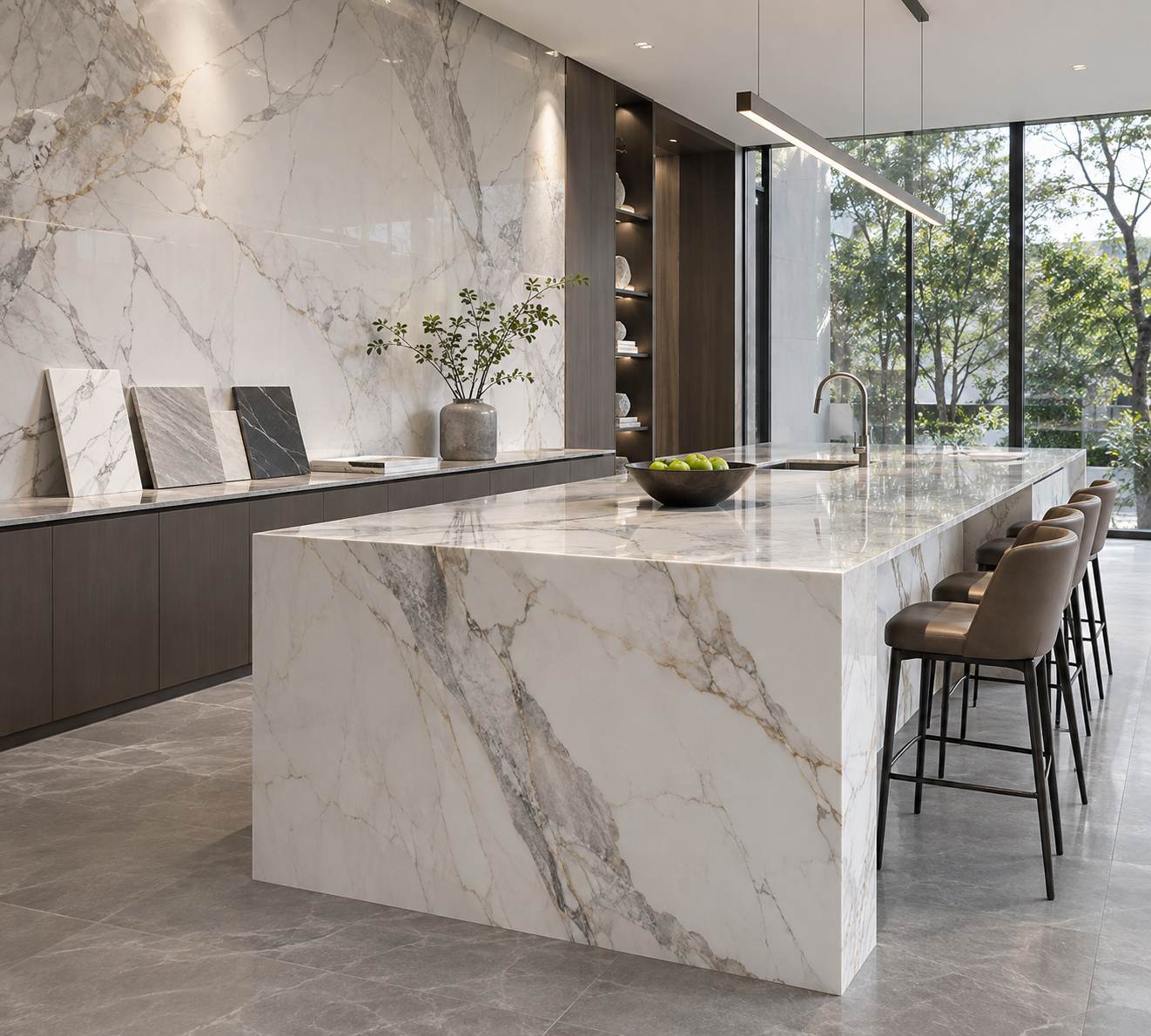
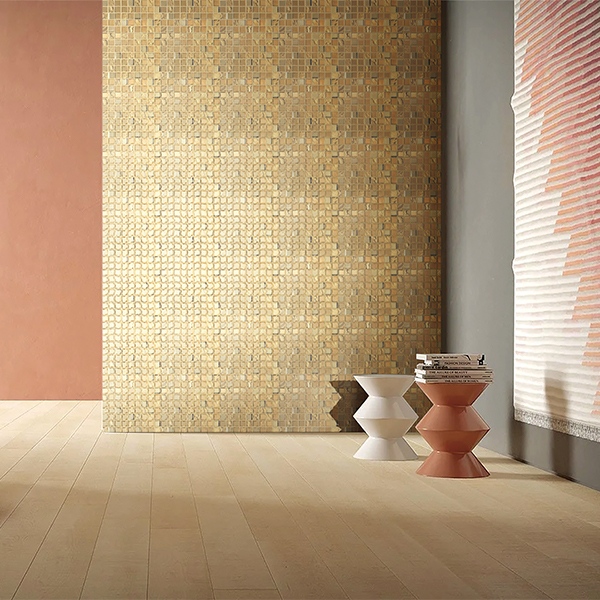
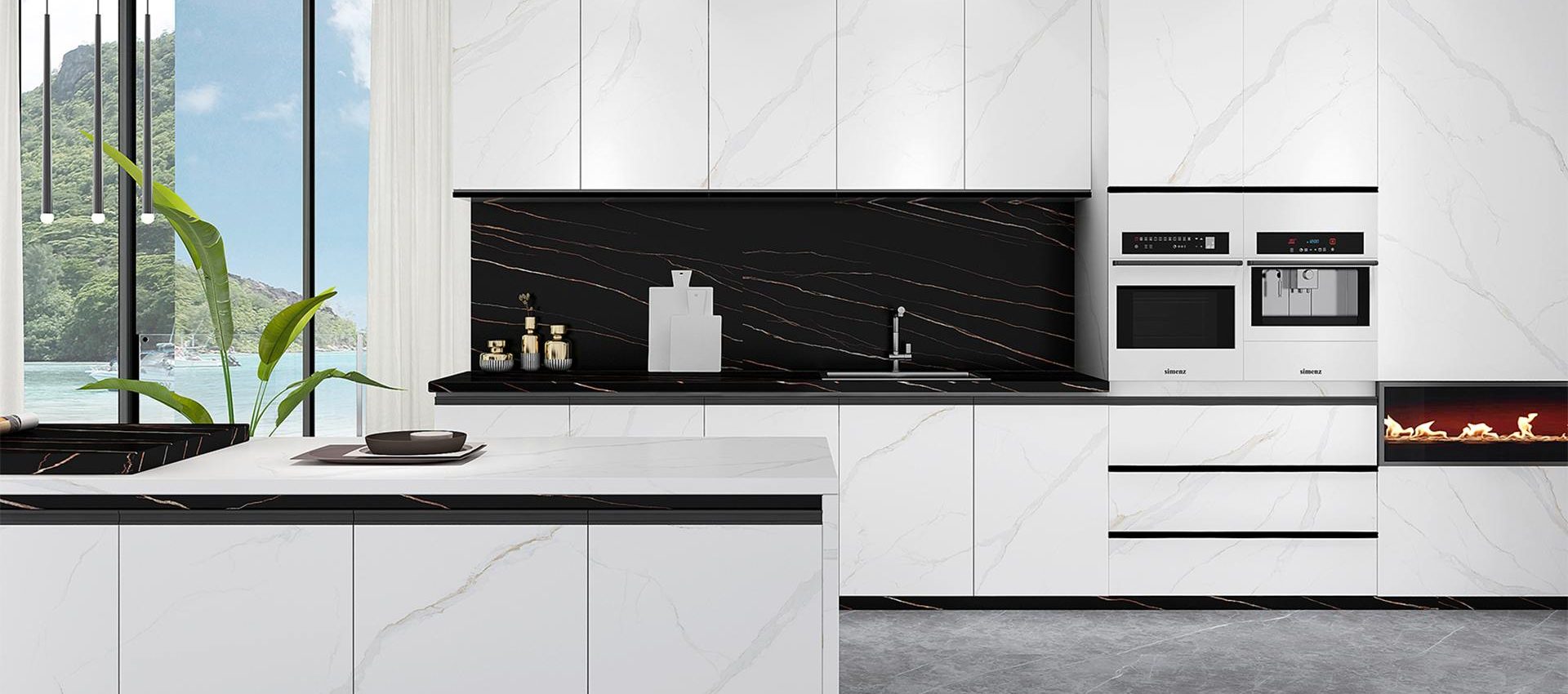
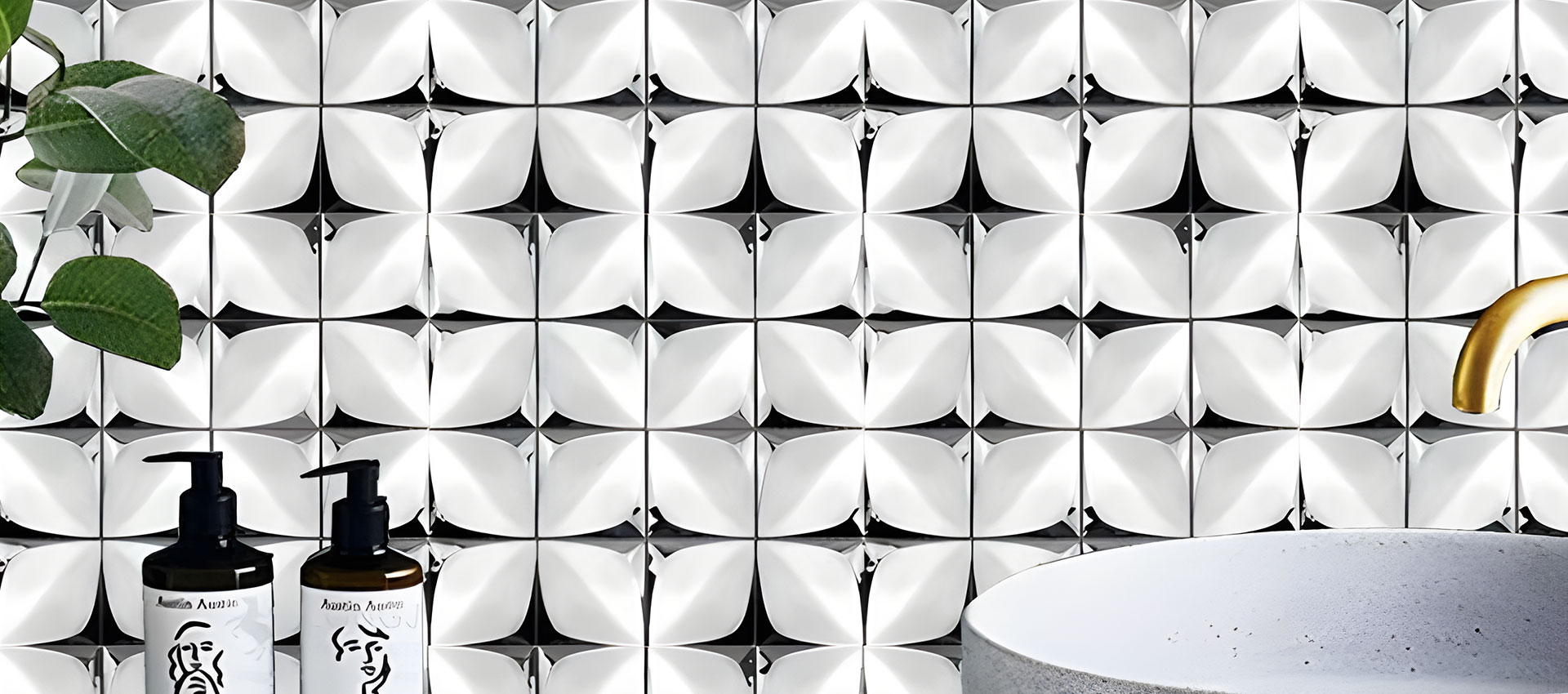
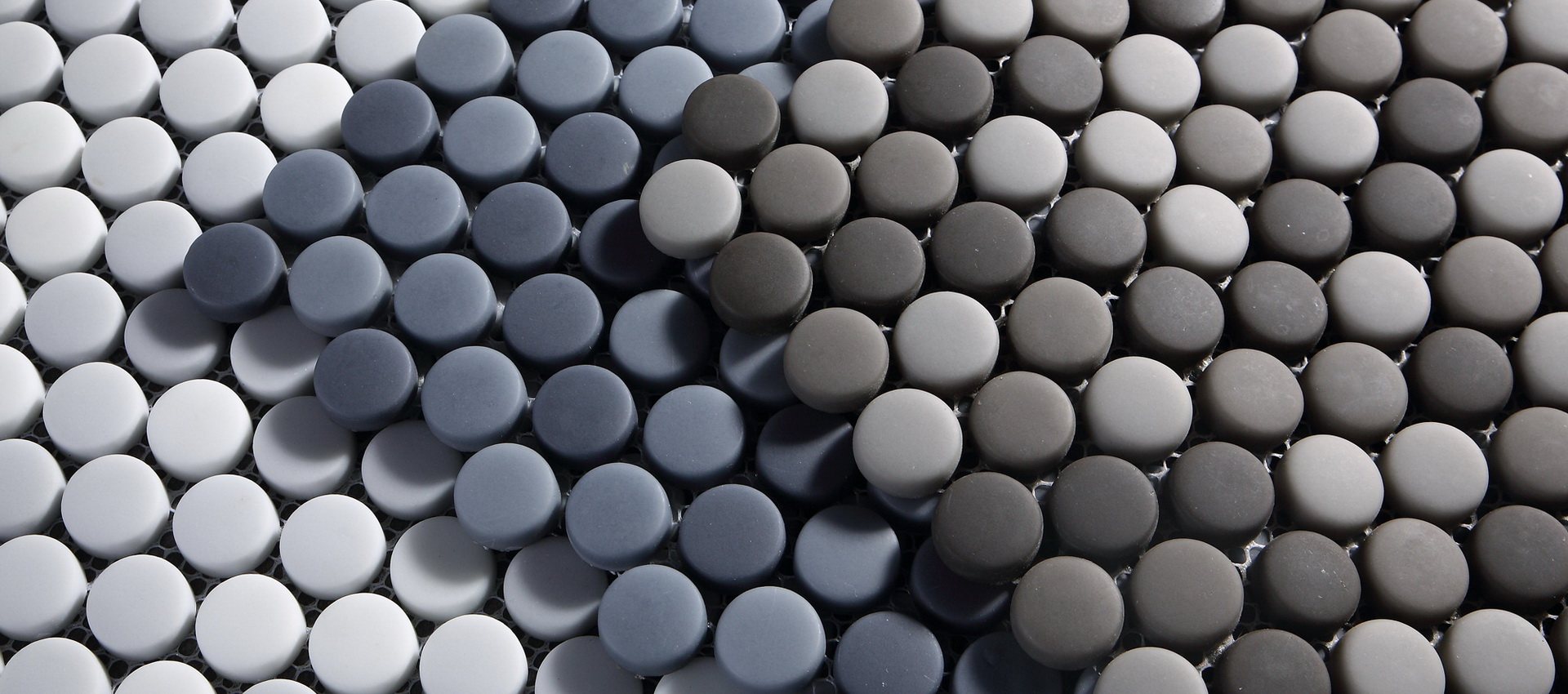
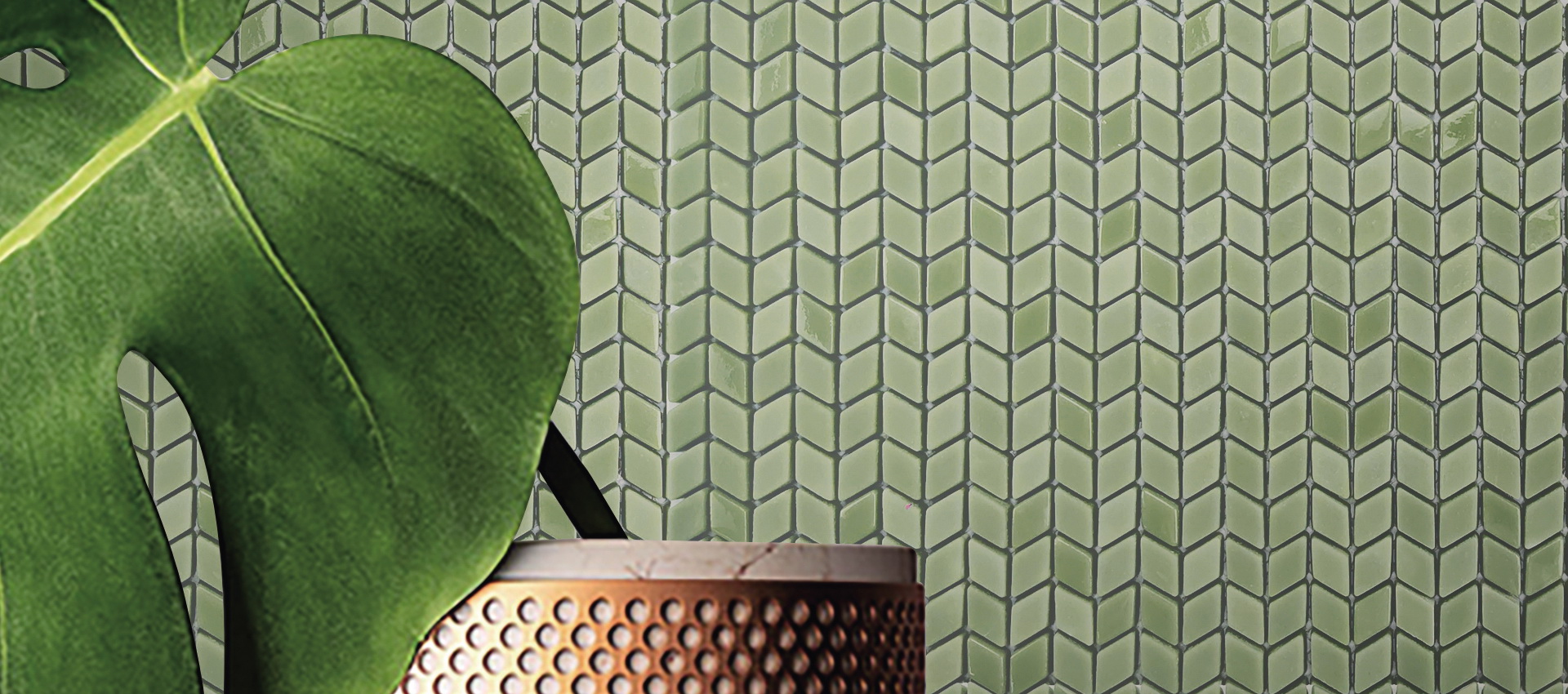
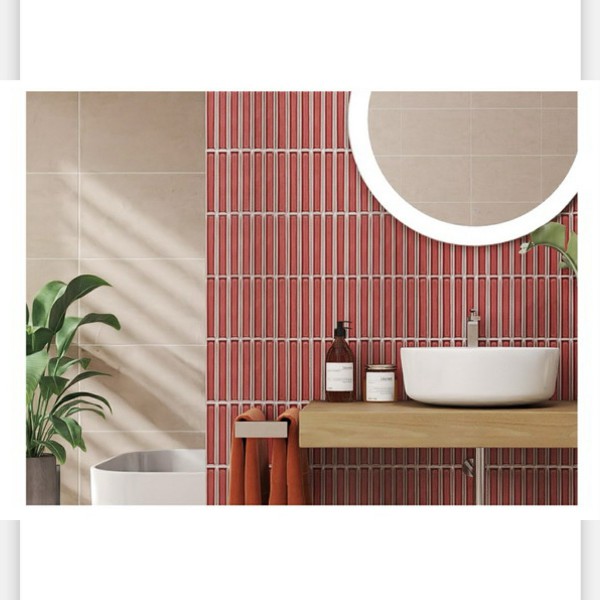
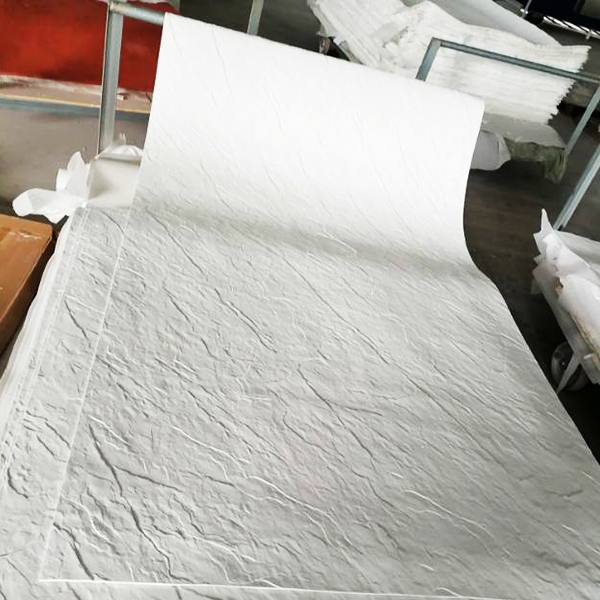
Mosaïque en porcelaine incroyablement dure, résistante aux rayures et non poreuse. Facile à nettoyer avec un chiffon humide
Nouvelle arrivée
-

-
 Conforme sans couture aux structures courbes et irrégulières avec un rayon de flexion minimum de 12cm, résolvant la déformation de contrainte thermique dans les immeubles de grande hauteur.
-
-
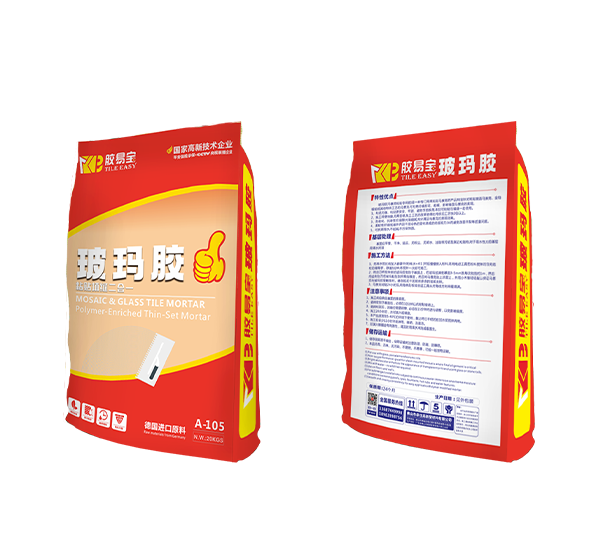
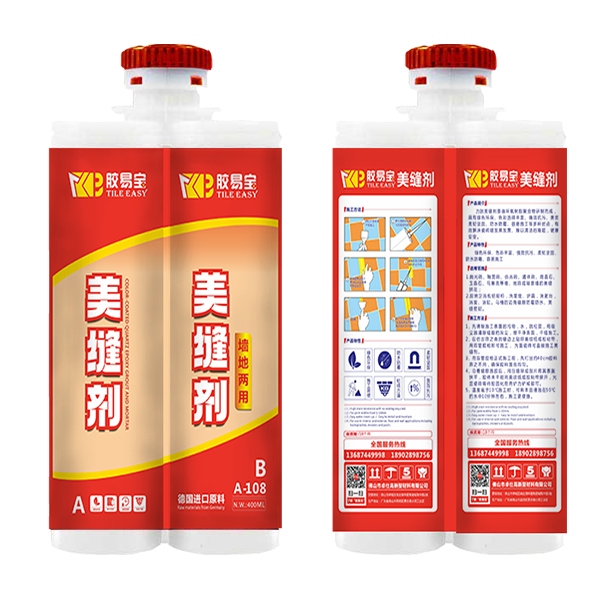
Mortier en mosaïque et en verre de haute qualité. Adhésion forte, application facile, résistance à l'eau / aux taches
Catégorie


À propos de nous
Foshan Guanyu Technology Co., Ltd.
Foshan Guanyu Technology Co., Ltd. a été fondée en 2001. Nous nous concentrons principalement sur l'importation et l'exportation de carreaux, de mosaïques et d'autres matériaux de construction et de décoration. En 2005, la société a investi dans la production de carreaux à Foshan, Chine’ base de production principale pour la céramique de construction. Notre principale marque d'exportation est “ Guanyu Ceramics”.
“ La qualité d'abord, la confiance est la clé de la coopération” C'est notre principe d'entreprise.
Guanyu Ceramics produit principalement des carreaux polis et des mosaïques en verre. Nous offrons également la production OEM de carreaux de style antique et de carreaux de mur vitrés comme lignes de produits secondaires. Nous avons établi des canaux de distribution dans le monde entier, faisant “ Guanyu” marque populaire dans le monde entier. Nos produits sont actuellement vendus dans des dizaines de pays et de régions, y compris l'Asie du Sud-Est, le Moyen-Orient, l'Italie, les États-Unis, le Brésil, le Chili, le Pérou, la Colombie, le Mexique et la Russie.
Actualités
-
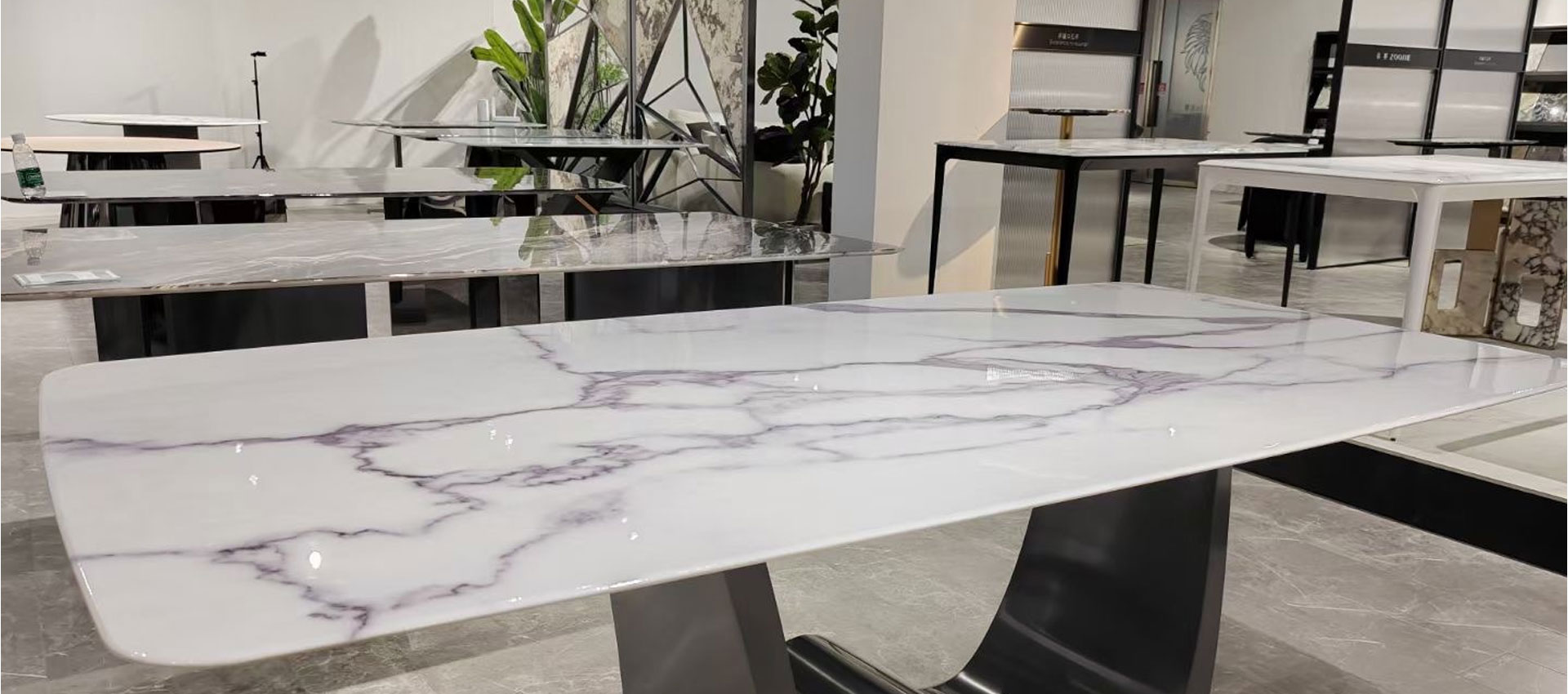
 Sintered Stone Manufacturers and Brands: A Buyer’s GuideA showroom sample can win approval while leaving the actual slab order poorly defined. If you distribute sintered stone or buy it for contract interiors, a manufacturer’s name is only the beginning. You also need to know which collection the sample represents, what arrives on the pallet, and who will answer a fabrication question. We recommend comparing sintered stone manufacturers and brands through those connections before comparing prices. An attractive finish has little purchasing value until you can order it precisely. What the brand name tells you about the supply chain A brand label on a sample box leaves a practical question unanswered: which factory makes the slab inside? We suggest asking for the factory name and exporter details on the quotation, with responsibility for the order made explicit. Keep those identities beside the product code in your purchasing record. Otherwise, a change of contact can leave your team with photographs and no reliable way to identify a repeat order. Our export brand, Guanyu Ceramics, belongs to Foshan Guanyu Technology Co., Ltd., founded in 2001. Our business includes ceramic tiles and mosaics, with sintered stone and slabs also supplied. When you assess a fully sintered tile company, ask about the collection in front of you. A shared catalogue cover is no reason to assume shared production. Manufacturing ownership alone does not settle suitability. An item code on the quotation gives your fabricator somewhere to begin when requesting cutting instructions. Resolve any mismatch between that code and the sample before signing the order. A useful shortlist compares identified collections A supplier comparison becomes meaningful once each candidate quotes for the same intended work. A dining tabletop, a feature wall and a kitchen island expose different details. Choose your application first, then request the relevant format, finish and edge appearance. A general statement about strength cannot answer whether a particular design will look right after cutting. Our Luxury Marble & Quartzite Collection has a listed normal size of 1200 × 2400 × 9 mm and a micro-crystalline surface. The collection name describes a decorative direction, rather than proving that the material is quarried marble or quartzite. Keep that distinction clear in showroom labels and customer discussions. Our through-body veining full body sintered stone range lists a satin finish and several configurations, including 1600 × 3200 × 12 mm and 1200 × 2600 × 20 mm. These are separate configurations within that range. They do not turn the 9 mm decorative collection into a 20 mm countertop product. The dimensions affect your cutting plan before any performance comparison. A slab measuring 1200 × 2400 mm has a nominal face area of 2.88 m², calculated as 1.2 × 2.4 m. That is gross area. Edge trimming, cutouts and pattern positioning reduce the area you can use, so ask your fabricator to confirm yield from the proposed layout. The cut edge can change your brand decision An exposed edge deserves its own sample approval. A surface photograph cannot establish how colour and veining appear through the slab thickness. For an island end or tabletop, request an offcut showing the proposed edge treatment alongside the face. Bring that offcut to the approval meeting so you can examine the edge beside the face. The phrase through-body becomes useful when you can inspect the cut material. Ask your tile slab supplier to label the offcut with its colour, thickness and edge treatment. You need the selected design here. Another colour from the same brand will leave the edge question open. Vein continuity across adjacent pieces needs a separate layout check. A pattern that works on one panel may not produce the transition your designer expects around a corner. Ask for the slab sequence and proposed cutting positions. Approving those positions gives your fabricator a reference that a small loose sample cannot provide. A repeat order needs more than the original quotation A distributor’s first order creates a reference for later business. Record the collection, product code, nominal dimensions, thickness, finish and approved sample together. Write down how you will inspect the shipment and what variation your buyer has accepted. Use that record for the next purchase, because a colour name leaves too much room for misunderstanding. When comparing fully sintered tile suppliers, your packaging discussion should follow the selected format. Our through-body range lists standard pallet A-frame packing. Your warehouse still needs the shipment-specific packing details. Before booking transport, settle the quantity per package and the unloading method with the people receiving the slabs. Get the handling instructions to that warehouse before dispatch, while there is time to resolve an equipment question. Product claims also need collection-specific evidence. Request applicable test reports and fabrication guidance for the intended use, especially where your project requires a documented classification. A company management certificate does not establish the performance of a particular slab. Keep unsupported catalogue claims out of your own customer specification. A brand decision you can repeat A useful shortlist leaves you with an identifiable slab, an approved edge and a workable order record. Compare price after those details agree. Your project buyer can then approve a defined product. Your purchasing team can retrieve the same reference when a replacement is needed. Tell us where the slab will go, the dimensions you need and the finish you have in mind. Those details give our sintered stone discussion a useful starting point before collection selection. FAQ Is a sintered stone brand always the manufacturer? A brand name alone does not establish factory ownership. Ask for the manufacturing, exporting and contracting roles for the collection you intend to purchase. Should distributors approve only a small face sample? A face sample helps with colour selection. For exposed edges or continuous patterns, add a processed offcut and a proposed slab layout to the approval record. Are all Guanyu sintered stone collections the same thickness? No. The Luxury Marble & Quartzite Collection lists 9 mm, while the through-body range includes other configurations. Confirm the selected product’s dimensions on the quotation. Does nominal slab area equal usable cutting area? No. Nominal area comes from the outside dimensions. Your cutting layout must also allow for trimming, cutouts and the required position of decorative veining. What should accompany a repeat order? Include the original product identification, approved finish and sample reference. Confirm current availability and any changes before assuming the new shipment will match your previous purchase.En savoir plus
-
 Matte vs Polished Glazed Tiles: Use and CareThe polished sample catches your eye first. Does that make it the right choice for a whole hotel corridor, or for the wall beside a basin? We wouldn’t decide from the display alone. Take the matte option into the room as well. Later, give both to the cleaning team for a trial. The View from the Doorway Leave the counter sample and a piece of trim beside the tiles. Then step back to the doorway. Which finish would you want a guest to notice on arrival? That is a different view from the close-up photograph you may have used to build the shortlist. Try another position: below the corridor ceiling spots, for example, then beside the washroom mirror. We are looking at the same tile, but with light coming from different places. It’s worth doing this before carrying a single finish through the whole building. Matte often fades into the room from the doorway. Come closer and the texture takes over. A polished tile announces itself earlier. That is an effect we’d consider for a shaded reception wall, then look at more cautiously beside a bright window. Matte porcelain tiles deserve a hands-on comparison. Pick up the shortlisted samples: does a cloth glide across one but catch on another? We would record which sample has which texture. When the schedule simply says ‘matte’, the cleaning team loses that distinction. Switch the Lights On The phone photo is useful until someone asks, “Is that grey or blue?” Exposure and white balance have changed the answer. Keep the product code in view, but sign off the actual tile. Check the Sample in Its Intended Light Take it to the window around midday. Look again under the showroom lights. Dark matte surfaces can show dust; “matte” also tells you nothing about how much texture a cleaning cloth will catch. Feel the face. After wiping a polished glazed tile, look along its face towards the window. A head-on view can miss a streak that shows from there. Come back when the sample is dry. If the result is disappointing, check the care advice before experimenting with a rougher pad. Daylight is a good second opinion. Wait for the rinse water to disappear. Check floor performance on its own. Bring Housekeeping into the Choice Before the sign-off, pass the samples to housekeeping. The discussion may quickly move from color to a tight corner or a question about the equipment. Good: these are the people who will live with the cleaning routine, and we can still change the selection. Imagine the same finish beside every basin in a guest-room scheme. Even a minor cleaning difficulty would be repeated from room to room. That’s a useful reason to try the grout at the same time as the tile, while changing either is still a sample-stage decision. Try the Daily Wipe-Down Use the proposed cleaner and the tile’s care advice for an ordinary wipe-down. No special treatment for the sample. Once it is dry, look at it again: is this a result your team would be happy to see across the building? The trial helps with that practical question, without replacing laboratory stain testing. Try the shortlisted matte ceramic tiles one texture at a time. We’d keep the cloth and cleaner the same for this comparison, within the care instructions. Record what was used beside the result; a successful trial is much less useful if nobody can repeat it at handover. Comparison Matte Glaze Polished Glaze Light Diffuses direct reflection; inspect shade close up. Creates clearer highlights; check the window and installed lamps. Visible marks Depends on surface texture and color. Streaks and water marks may stand out in reflected light. Cleaning Test the planned cloth and cleaner on the exact tile. A smooth face may wipe easily; inspect it again after drying. Floor use Sheen does not establish traction. Check product evidence for the intended floor conditions. Repeat order Record the approved code, finish, size, and sample. Confirm the same details before ordering each format. Choose Room by Room We would not choose one finish for the restaurant entrance, guest bath, and display wall just to simplify the schedule. Start with the use. Compare looks after that. Picture the polished option on the reception wall, where some reflected light might be welcome. Now picture it next to a screen. We might choose differently there. The bathroom introduces water as well: assess the basin wall and shower wall separately, even when you want the colors to match. The floor discussion needs a different set of information. Put the appearance samples aside and open the performance documents for the shortlisted item. Do those documents address the conditions in your room, including water where relevant? We wouldn’t settle this part of the choice by looking at the sheen. From the Chip to the Wall For the first shortlist, we would stop at two samples, labelled with their codes. Put some grout and the neighbouring finish beside them. Build a larger mock-up only when you need to see a run of tiles to settle the choice. The larger layout has a different job. You want to see the pattern repeat and the joints across several pieces, not simply judge another chip. Leave the original sample beside it. If the larger surface feels busier than expected, this is a useful moment to change the selection. Keep the Choice Clear at Handover The drawing needs more than a note saying ‘grey tile’. Give each finish its code, size, location, and sample reference. Where matte meets polished, draw the junction. That small piece of information saves the installer from having to choose between two similar cartons on site. Pass on the care instructions with the signed selection. For a floor, include the relevant performance evidence as well. The team receiving the delivery should be able to match a carton to a sample and a location without tracking down the person who chose it. If you have a Guanyu Ceramics shortlist, contact us with the sample codes. Include the room drawing and tell us about any cleaning routine you need to keep. Those details give us a useful basis for discussing the finishes. FAQ Are Matte Tiles Easier to Clean Than Polished Tiles? We’d try both before making that claim. Clean a smooth matte sample, a textured matte sample, and the polished option using their permitted routines. Include grout. The dried results will tell you more about the work involved than the sheen labels do. Do Polished Glazed Tiles Show More Marks? Sometimes. On the sample, look for a streak from more than one angle; then move it out of the window light and beneath the proposed lamps. That gives you a much better basis for choosing than the finish name. Are Matte Tiles Always Safer for Floors? No. We’d need the slip-performance evidence for that item and the intended conditions. A dull-looking surface isn’t, by itself, a floor approval. Can Matte and Polished Tiles Be Mixed in One Project? Yes. We’d draw the junction and put the actual edges together while the choice is still open. Two similar colors may come in different thicknesses, and each item still needs its own code and location on the schedule. What Does “Polished Glazed Tile” Mean? It means the glazed face has been polished. There is also polished porcelain without a glaze, which is a different description. For a question about care, we’d start with the actual code on your sample.En savoir plus
-
 Sourcing Bathroom Tile Grout from ChinaThe cheaper grout quote may be the right one. First, though, we’d want to know what the price includes. Bag weight is an obvious place to look; the material type and its intended use take a little more reading. Compare those details before calling the difference a saving. The Tile and Joint Define the Enquiry What would help us price your bathroom tile grout? The tile code, a joint detail, and a note about the substrate. Send a photograph as well if you have one. The hidden layer matters here, and it is the detail a finished-room picture is least likely to explain. Think of a hotel bathroom order with several surfaces on it. Put the basin wall on one line and the shower floor on another, because ‘for bathrooms’ leaves us guessing about the exposure. Your destination and approximate quantity belong alongside those lines. At Guanyu Ceramics, our TILE EASY A-105 combines bonding and grouting for tile, mosaic, and glass. That makes it worth discussing when both operations are in the scope. It doesn’t give us grounds to approve an unspecified bathroom assembly, though; send the actual tile and substrate details. Separate Grouts and Combined Mortars How the Combined Product Is Used A bonding and grouting mortar puts both operations into the discussion. Has your installer priced the job on that basis, or allowed for separate materials? We suggest opening the A-105 instructions together before comparing costs. The sequence still matters: spreading, setting, then fully filling the joints. Cement or epoxy? Keep the answer visible on the comparison. If your project specifies one and the quotation offers the other, you have a proposed substitution to review. We wouldn’t hide that change inside a lower price. We’d also query the word ‘universal’. Does it include your glass tile, your substrate, and your joint width? A broad description is no help when the installer needs an answer about one particular surface. Identify the sample by product code. List the tile and substrate together. Check the lot, printed expiry, and bag size before release. A Comparison the Site Team Can Use Read the net weight from the bag. A shower-use claim is a different matter: you need the relevant evidence, and it may not yet be in the file. We would leave that box empty until it arrives. Otherwise the next person reading the comparison may mistake an assumption for an answer. Could you use the comparison during a call without losing your place? We would keep it that short. Give the product code and tile their own space, then put open questions alongside them. Leave the full method in the attachments; the sheet is there to help you decide which offer deserves another discussion. Comparison point Information to request Why it matters Product identity Type, code, revision, package size Ties the offer to the approved product Compatibility Tile, substrate, joint, and exposure Shows whether the product fits the installation Evidence Instructions, safety data, product-specific reports Supports technical and market review Supply Shelf life, batch identification, export packing Helps plan storage and repeat orders Think about who receives this sheet next. Your warehouse needs the storage and expiry information, while the installer will look for mixing, application, and cleanup. Keep the product code on the attachments. Otherwise, after several revised offers, it’s surprisingly easy to have the right report beside the wrong quotation. A-105 Details That Affect the Order How long will the stock sit? With A-105, the listed shelf life is 12 months, and the actual expiry is on the package. Each bag contains 20 kg. The application temperature range is 5–40°C, something to discuss with the site team before a delivery date becomes an installation commitment. A-105 needs a level, dry, solid substrate. Dust, oil, and grease must be removed before application. Go through that requirement with the installer looking at the actual surface; it belongs to this product, not to every material carrying a grout label. The A-105 method calls for an even 1–5 mm spread of mixed material, over about 1 m² at a time. Tile or mosaic is then set and levelled promptly. During grouting, fill the joints completely. Read the current bag instructions before starting; this outline is a useful point for discussion, not the whole installation specification. Cleanup cannot wait until the mortar has cured on the tools: clean them straight after use. Keep moisture and contamination out of the material as well. We’d include both points in the handover to site. Grout Color Beside the Selected Tile A white joint can look quite different surrounded by dark tile. For glass mosaic tiles, we’d make a small grouted panel with several pieces and judge the dried result under the intended lighting. The chart is a starting point. The joint beside your tile is what you are approving. For an overseas review, photograph the dried sample with both codes in view. Keep the real panel. If the photograph looks warmer on one screen, you can go back to the panel before anyone mistakes that difference for a newly approved shade. Retain that panel for the repeat-order discussion. The packing discussion is separate. How many cartons per pallet? Which label language and destination marks? Settle those points with the bag weight, rather than carrying them forward under a vague request for the ‘same color’. Product Papers and Shipment Identity Suppose the bag photo and the quotation carry different codes. We would pause there. Which one will ship? A complete-looking folder doesn’t resolve a mismatch, and the revision date is worth comparing while both documents are open. A management certificate isn’t a grout test. Even when the certificate is valid, your specified performance figure needs evidence for the quoted product. We’d keep that report with the installation sheet and batch details, where it can be checked against the offer. Ask your site team which instruction language is needed. Then confirm what technical and safety paperwork is available for the destination. This is a small enquiry to make during quotation review, and a much less convenient one after delivery. An unusual substrate or joint deserves a specific written answer if it falls outside the instructions. Keep that question against the offer until it is resolved. A looming shipping date doesn’t supply the missing answer. Storage, Delivery, and the Final Order Check the storage space before settling the A-105 quantity. It must be cool, dry, and ventilated, with the bags kept away from heat and moisture. Use the planned installation and applicable coverage guidance for the material calculation, then compare the cost with packing and freight included. A mixing question may come up only once the bags are on site. Who should your installer call? Agree on that before dispatch, and hand over the sample reference with the batch record and instructions. There shouldn’t be a hunt through old quotation emails at that point. Your shortlist of bathroom grout suppliers in China may now be much shorter. Read the remaining offers again. Has the packing changed? Does the price still cover the approved material? A revision can deserve attention even when the total looks familiar. Allow for the sample discussion in your schedule. If you’re still waiting for one answer, say exactly which one. ‘Subject to approval’ is too vague to help the person trying to plan the shipment. For a quotation, contact us with the tile code and joint detail. We’d also like a note of the substrate, the destination, and the surfaces involved. A marked bathroom drawing is useful if the order covers more than one application. FAQ Which Details Belong in a Grout Comparison? Start with material type and the proposed tile. Then make space for the joint, method, packing, and expiry. We’d keep open questions beside the figures, where you can see them during a call. A comparison that hides the uncertainties isn’t ready to support an order. Does Grout Do the Same Job as Tile Adhesive? Usually, one material bonds the tile while another fills the joints. A-105 combines those functions for its stated uses. An ordinary grout shouldn’t be treated as adhesive just because this particular mortar does both. Can One Grout Cover Every Bathroom Tile? No blanket choice from us on that description alone. ‘Bathroom’ could mean the wall above a basin or the floor inside a shower. Tell us about the tile, substrate, and joint, with the position marked, so we can discuss an actual application. Which Documents Should Travel With the Offer? Begin with the technical sheet and applicable safety information. For a performance figure required by your specification, you will also need the product report. We would keep the code visible when filing it with the offer, and include batch and handling details for whoever receives the delivery. How Do You Approve a Grout Shade for a Repeat Order? Use a grouted panel, with the selected tile and both approved references recorded. Keep it for the next order. We would agree how the new batch is to be compared with that panel, using photographs to discuss it rather than to replace the shade reference.En savoir plus
-
Guide des carreaux de mosaïque personnalisés pour les intérieurs commerciauxUn client a validé l'échantillon de mosaïque. Ce même motif conviendra-t-il derrière un comptoir d'accueil, visible depuis l'entrée ? Nous vous recommandons de suspendre la commande personnalisée jusqu'à ce que votre équipe ait vérifié cet angle de vue. Même les plus beaux échantillons peuvent décevoir si les joints sont trop visibles ou si l'éclairage de la pièce modifie la couleur. Il est préférable de procéder à l'approbation sur une maquette jointoyée, où ces détails seront parfaitement visibles. Un style personnalisé nécessite une distance de vision définie La distance peut masquer un détail qui vous plaisait dans un échantillon. Apportez l'échantillon au comptoir, puis regardez-le depuis l'entrée. Le motif est-il toujours visible, ou est-il devenu une simple tache de couleur ? Nous privilégions les détails que vos visiteurs peuvent réellement distinguer. Pour un sol en mosaïque sur mesure, indiquez l'emplacement des ouvertures de porte sur le plan. Précisez également les finitions adjacentes. Imaginez une frise qui court élégamment autour de la pièce, puis qui s'arrête au niveau d'une porte, ne laissant apparaître qu'une partie du motif. Où doit-elle s'arrêter ? Votre plan doit répondre à cette question avant que le poseur ne prenne sa décision avec la découpeuse. Un mélange de couleurs différent constitue une commande personnalisée ; un assemblage de pièces individuelles en est une autre. Veuillez préciser votre demande dans le descriptif. Il s'agit de deux types de commandes. Guanyu Ceramics propose des services OEM/ODM couvrant les dimensions, les motifs et la correspondance des couleurs ; veuillez vérifier la faisabilité pour le matériau choisi avant de considérer un rendu comme une spécification de production. La matière et la forme déterminent le langage visuel Il est important d'observer la lumière qui se reflète sur une mosaïque avant de choisir son matériau. Parmi nos carreaux de mosaïque en verre, nous proposons du verre feuilleté associé à l'impression jet d'encre. Pour la porcelaine, vous avez le choix entre des formes comme des cercles, des rayures, des flèches et des plumes. Un verre réfléchissant peut convenir à un mur ; un motif discret sera peut-être plus agréable au sol. Intégrez l'échantillon dans cet environnement avant de choisir votre palette. Les motifs à rayures nécessitent des modules Avec notre gamme de carreaux de mosaïque en porcelaine, l'orientation des lignes s'intègre à votre agencement. Les lignes horizontales peuvent se répéter le long d'un comptoir ; un changement d'orientation permet de délimiter un espace. Dessinez le virage : le carreau se prolongera-t-il, sera-t-il coupé ou s'arrêtera-t-il contre une plinthe ? Dans la série de mosaïques en porcelaine Guanyu, le format indiqué est de 296 × 300 mm. Parmi les coloris disponibles figurent le vert clair, le bleu océan et le vert foncé. Ce format constitue un module de base pour la planification. Avant de finaliser le plan d'implantation, il est essentiel de vérifier les tolérances de jointure et les dimensions réelles de livraison ; un module nominal ne permet pas à lui seul de déterminer toutes les découpes de périmètre. Le choix du matériau est indépendant de l'esthétique. Une photo murale ne garantit pas que la mosaïque soit adaptée à un sol à fort passage ou à une zone humide. Pour chaque emplacement envisagé, demandez les informations produit et vérifiez la finition, le système de pose et les conditions d'utilisation. Ne déduisez pas les propriétés antidérapantes de la taille des tesselles ou du nombre de joints. Le joint doit être approuvé pour la couleur Essayez les mêmes échantillons avec deux couleurs de joint sur votre panneau d'échantillons. Un contraste marqué risque de faire ressortir les joints ; avec une couleur plus proche, les échantillons se confondront. Nous vous recommandons de faire ce choix sous l'éclairage prévu de la pièce. Les espaces vides ne permettent pas de trancher définitivement le choix de la couleur. Le verre transparent et translucide requiert une attention particulière, car les ombres portées derrière les pièces peuvent rester visibles. LATICRETE aborde ce point dans son guide sur la mosaïque de verre et recommande de vérifier la conformité du résultat sur une maquette. Votre échantillon doit donc être réalisé avec le matériau de pose et le joint proposés, et non avec du verre non posé sur un fond blanc. Un échantillon installé doit dépasser les limites des feuilles. Placez les feuilles côte à côte et examinez la jointure. Se distingue-t-elle de l'espace entre les feuilles ? Si le motif se prolonge sur un comptoir, l'échantillon doit également s'étendre sur tout le pourtour. L'approbation de l'échantillon répond alors à une question pratique : ce motif se prolonge-t-il de manière convaincante au-delà de son emballage ? Un dessin répété assure la cohérence du lot. La répétition du dessin garantit la cohérence de la série. Le schéma de répétition permet de relier votre échantillon approuvé à l'installation finale. Indiquez le sens du motif, les dimensions de répétition et la position de chaque motif. Sur un mur adjacent, tracez le point de rencontre des lignes. Ajoutez les dimensions depuis le coin jusqu'au motif et des flèches pour indiquer l'orientation du lé. L'installateur ne devrait pas avoir à déduire ces informations d'une photographie. Lors de la commande de carreaux de mosaïque en grande quantité, vous pouvez avoir un panneau personnalisé entouré d'un champ uni. Indiquez une description et une quantité distinctes pour chaque élément. Si votre aménagement de hall d'entrée intègre un panneau décoratif dans un champ répétitif, identifiez les zones correspondantes sur le plan. Votre équipe de réception pourra ainsi comparer les cartons avec les éléments du motif référencés. L'échantillon physique validé a encore une utilité après approbation. Remettez-le aux personnes chargées de vérifier la livraison, puis gardez-le à disposition près du lieu d'installation. Notez à côté les variantes acceptées par votre équipe. Une photo prise avec un téléphone est pratique pour discuter du motif, mais modifier la luminosité de l'écran…s ne devrait pas modifier votre référence d'acceptation. Qui confirme l'ouverture avant la production ? Indiquez le nom ou le rôle de la personne responsable de cette tâche dans votre cahier des charges pour la vente en gros de mosaïques. Une finition adjacente peut avoir bougé depuis le premier dessin. Pour une image personnalisée, même une petite modification de la mise en page peut altérer un détail reconnaissable ; vérifiez les dimensions actuelles avant de livrer le panneau. Conservez le style approuvé jusqu'à l'installation. Un cahier des charges pour une mosaïque sur mesure réussie associe la vue de la pièce à un dessin de répétition et à un échantillon posé. Une fois ces références validées, le service des achats peut décrire le lot avec précision et le poseur peut comparer le résultat à un élément concret. Conservez les références approuvées ensemble jusqu'à la livraison et la mise en place. Partagez votre plan et l'application prévue avec Guanyu Ceramics, ainsi que l'effet de matière souhaité. Nous pourrons ainsi vous proposer les produits les plus adaptés pour votre échantillon. FAQ Peut-on créer un motif personnalisé à partir d'une mosaïque existante ? Oui. Un simple changement dans l'emplacement des couleurs ou le sens de la répétition peut suffire pour votre motif. Consultez les variantes disponibles avant de commander une nouvelle forme. Faut-il utiliser la même mosaïque pour le sol et un mur d'accent ? Lors de la consultation des informations produit, considérez le sol et le mur comme des applications distinctes. Si la mosaïque ne convient qu'à un seul emplacement, utilisez un second produit pour reprendre les mêmes couleurs sur l'autre surface. Quelle proportion du motif l'échantillon doit-il présenter ? Prévoyez suffisamment de feuilles pour révéler le motif et ses limites. Pour un logo, examinez un petit détail à distance de bras et vérifiez le motif complet depuis l'endroit où les visiteurs le verront. Cela permet de vérifier à la fois les détails d'assemblage et la lisibilité de l'image. Est-il possible de modifier une bordure après l'approbation du motif principal ? Oui. Avant d'approuver la production, veuillez indiquer la bordure modifiée sur le dessin. Toute modification de sa largeur réduit ou libère de l'espace au centre ; vérifiez donc l'emplacement des découpes du motif et du périmètre. Approuvez à nouveau la mise en page concernée ainsi que tout détail d'échantillon modifié. Que devons-nous conserver pour les futures commandes de remplacement ? Conservez l'identification du produit, l'échantillon approuvé, le dessin de reproduction et les détails du lot. Discutez des stocks de matériel avec l'équipe projet ; une commande ultérieure ne doit pas être considérée comme identique au lot d'origine.En savoir plus